CD Projekt Sells DRM-Free PC Storefront GOG to Original Co-Founder for $25.2 Million

1AM Gamer Team
30 December 2025 12:00 PM GMTGOG has a new owner. Sort of.
Michał Kiciński purchased 100% of shares in the DRM-free storefront from CD Projekt for 90.7 million Polish zloty (roughly $25.2 million) on 29th December 2025. The deal brings GOG back under the control of one of its original architects, a bloke who helped birth the platform alongside Marcin Iwiński back in 2008.
Back to Square One
Kiciński co-founded CD Projekt in 1994 and helped launch GOG in 2008, when the digital distribution landscape looked nothing like today's ecosystem. The platform started with a straightforward pitch: bring classic PC games back from the digital graveyard and let people own them properly. No launchers required. No mandatory internet checks. Buy it once, download it, keep it forever.
The acquisition doesn't mean CD Projekt is washing its hands of GOG entirely. The companies signed a distribution agreement ensuring CD Projekt Red's upcoming titles will release on GOG. The Witcher 4 and future Cyberpunk projects will still land on the platform alongside everything else.
Kiciński funded the purchase through external financing. He didn't sell any of his existing CD Projekt shares to make this happen. Before the deal closed, GOG distributed approximately 44.2 million PLN ($12.3 million) to CD Projekt as dividends from previous years' profits.
CD Projekt's joint CEO Michał Nowakowski framed the sale as strategy, not desperation. "With our focus now fully on an ambitious development roadmap and expanding our franchises with new high-quality products, we felt this was the right time for this move", he stated. Translation: CD Projekt wants to make games, not run a storefront fighting for scraps against Steam and Epic.
The DRM-Free Promise Isn't Going Anywhere
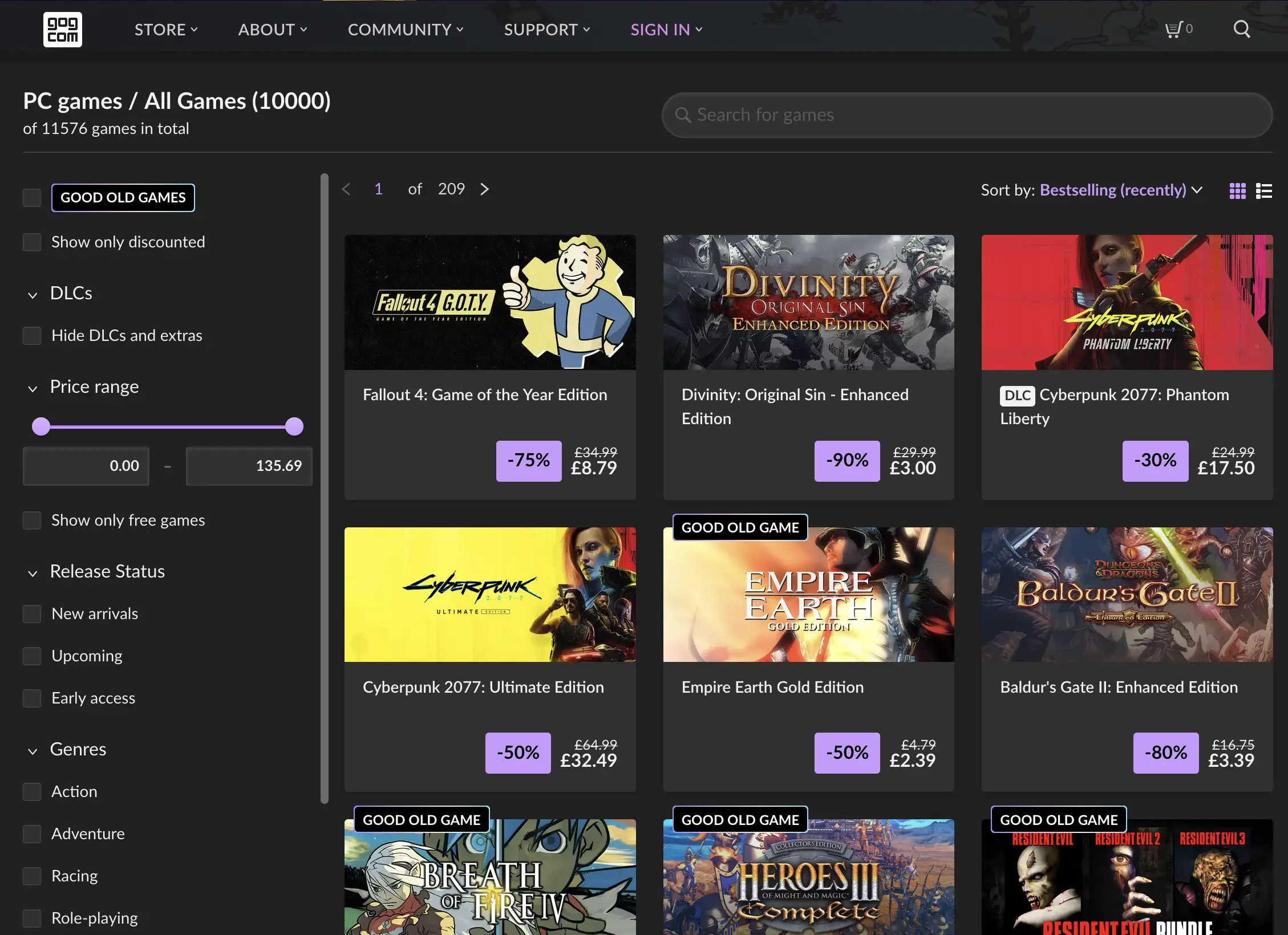
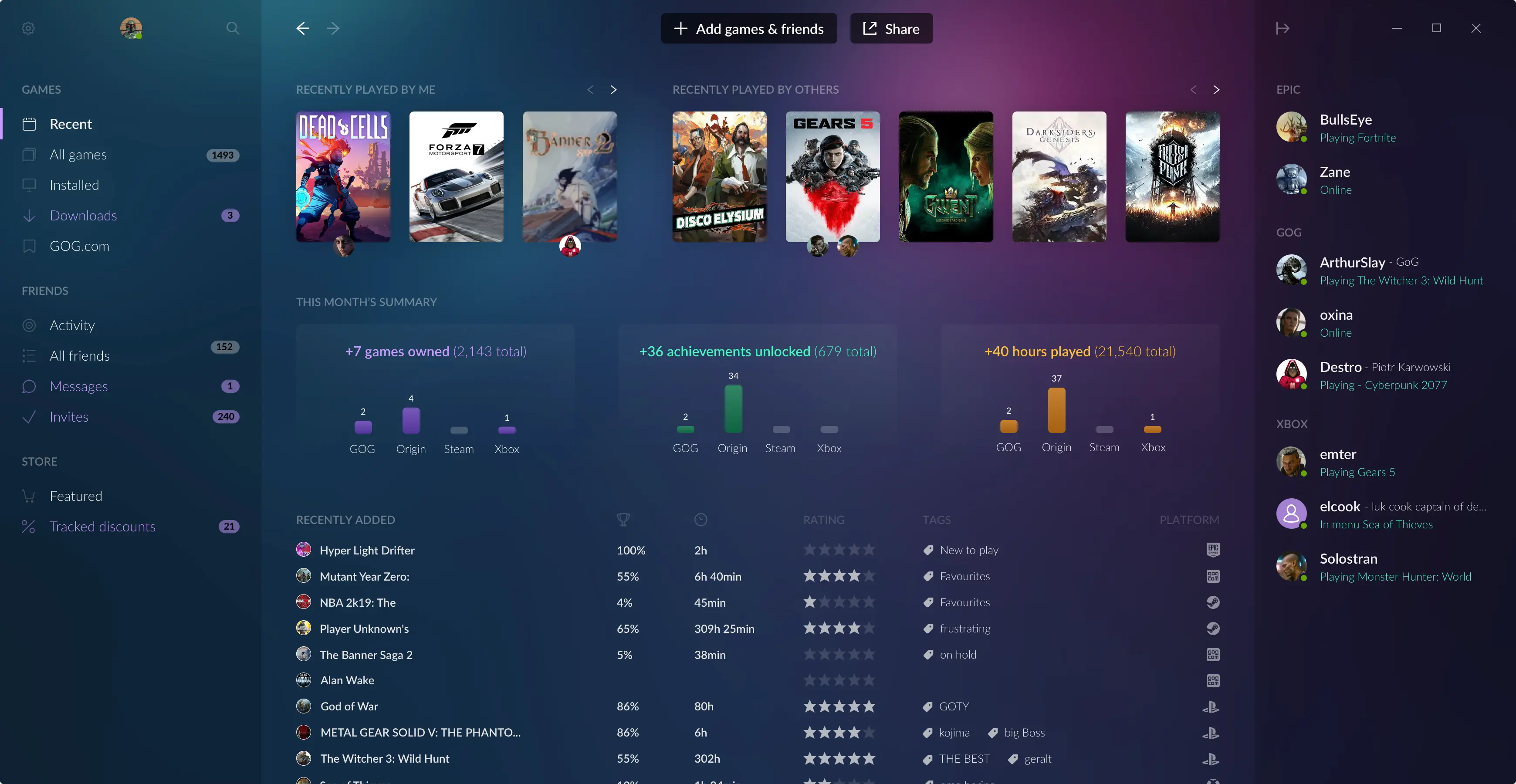
GOG's messaging around the ownership change is crystal clear. Nothing shifts for users. Your library stays yours. DRM-free is "more central" than before, and offline installers remain available. GOG Galaxy, the optional client, stays optional. Your data stays with GOG.
The platform addressed concerns about financial stability directly in its FAQ. The company claims it's stable and "had a really encouraging year". This sale isn't about a sinking ship being offloaded before it goes under. GOG says this is about focus and independence.
In a PC market that "keeps moving towards mandatory clients and closed ecosystems", Kiciński believes GOG's approach is "more relevant than ever". He's not wrong. Steam's dominance hasn't made DRM-free less valuable to the people who care about it. If anything, the closed nature of modern digital storefronts makes GOG's philosophy look prescient rather than quaint.
What This Actually Means
GOG has operated as a semi-independent entity within CD Projekt for years. The platform's staff count fluctuated, and financial performance wasn't always stellar. Between January 2021 and September 2021, GOG lost $1.14 million, prompting management to announce scaling back and refocusing on core business activities.
The sale lets both parties pursue their primary goals without compromise. CD Projekt can pour resources into The Witcher and Cyberpunk sequels. GOG can chase game preservation projects and retro releases without worrying whether those align with a parent company's AAA development schedule.
Kiciński mentioned he's "personally involved in the development of a few games" with a retro spirit that will appear on GOG in 2026. The bloke isn't just buying a platform. He's got skin in the game preservation argument.
Maciej Gołębiewski, GOG's managing director, said the platform will "double down on what only GOG does: reviving classics, keeping them playable on modern PCs, and helping great games find their audience over time." That's not marketing fluff. GOG's preservation programme has genuine value for anyone who wants to play games from the 1990s and 2000s without wrestling with compatibility issues.
The Bigger Picture
Steam dominates PC gaming. Epic throws money at exclusives and free games. Microsoft wants everything on Game Pass. GOG carves out a niche by saying you can just own your games outright and not worry about what happens when a service shuts down or a publisher loses rights.
That's a tough sell in 2025, when convenience trumps ownership for most people. But for the folks who care, GOG matters. The sale to Kiciński suggests the platform will keep fighting that fight rather than slowly morphing into another Steam clone with a different logo.
The transaction is expected to close on 31st December 2025, with financials reflected in CD Projekt's fourth quarter 2025 results. GOG continues as GOG. CD Projekt continues making games. Everyone goes home relatively satisfied.
Whether this independence helps GOG thrive long-term or just delays an inevitable consolidation remains to be seen. For now, the DRM-free flag still flies, held by someone who helped plant it seventeen years ago.
Related Articles

CD Projekt Strikes Paid Cyberpunk 2077 VR Mod After Creator Refuses Free Release
Prolific VR modder Luke Ross forced to remove popular Cyberpunk 2077 VR conversion after DMCA takedown over Patreon paywall.
1AM Gamer Team
20 January 2026
Hytale Developer Declares "No Regrets" After Saving Game From Cancellation
Simon Collins-Laflamme celebrates Hytale's early access launch one week on, saying the rescue mission was worth every moment of the challenging journey.
1AM Gamer Team
23 January 2026
Disney Quietly Axes 14 Games from Steam Without Warning, Sparking Digital Preservation Outrage
Disney removed 14 classic titles from Steam and GOG overnight, including LucasArts favourites Armed and Dangerous and Afterlife, leaving fans scrambling.
1AM Gamer Team
19 January 2026