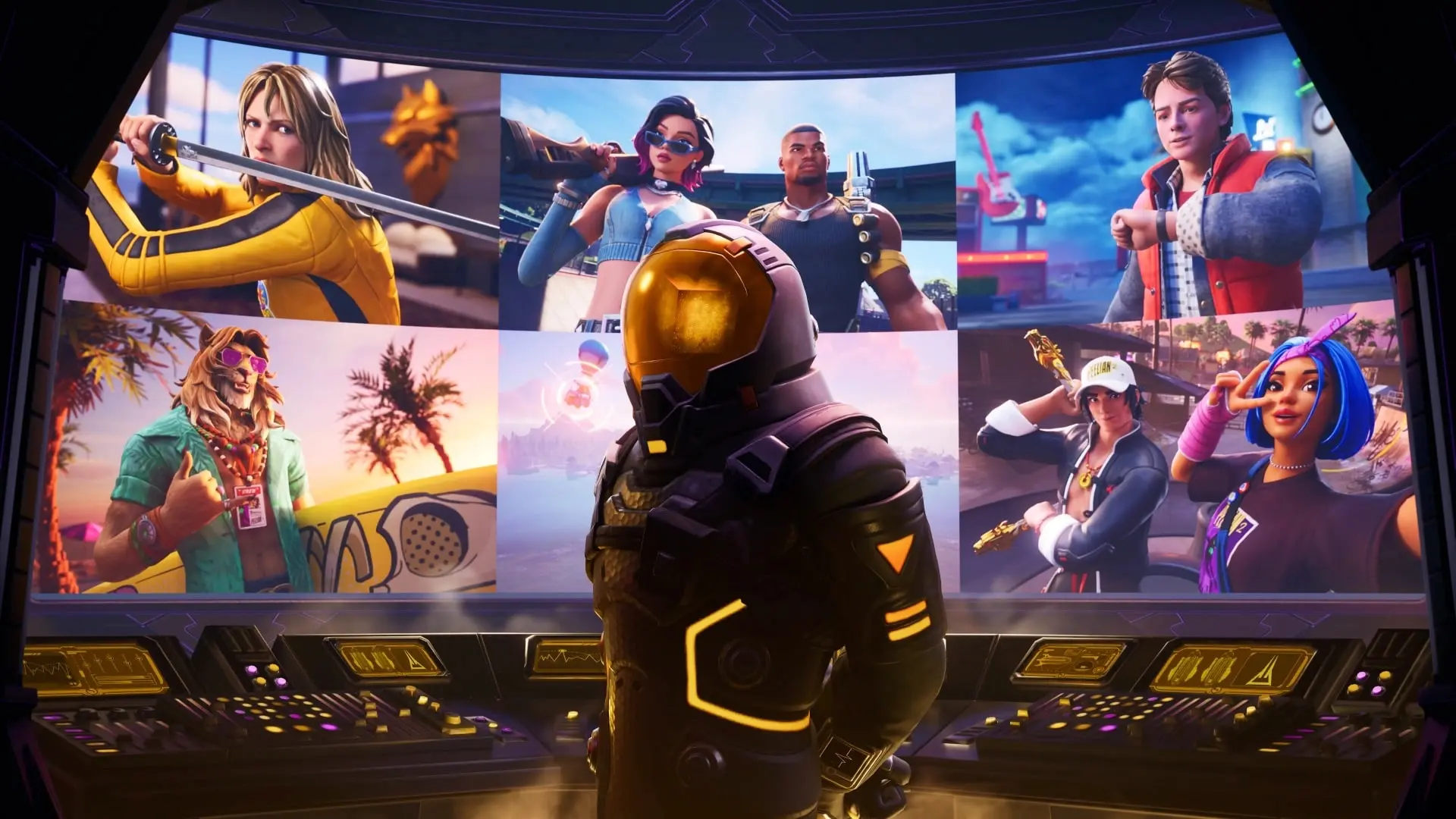
Fortnite Creators Launch $45 Bundles Hours After Epic Enables In-Game Sales

1AM Gamer Team
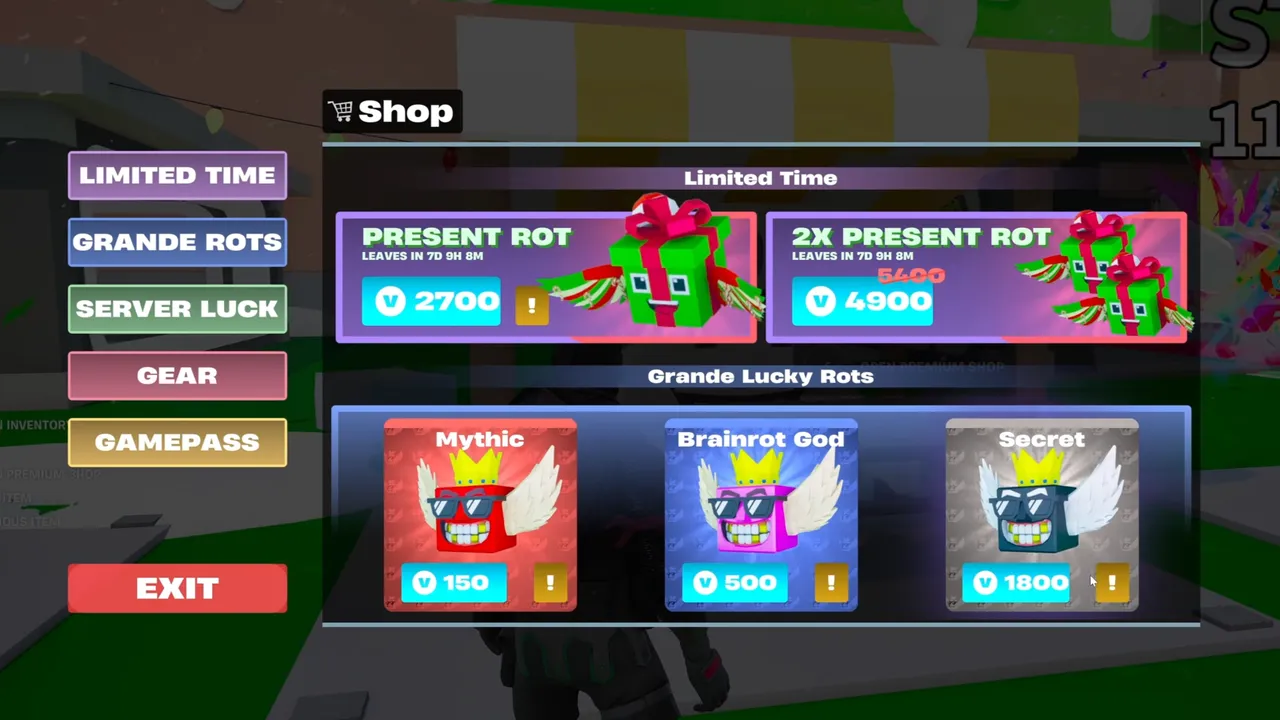
13 January 2026 12:00 PM GMTEpic Games flipped the switch on creator monetisation for Fortnite experiences this week. Within hours, Steal the Brainrot (the platform's biggest custom game) rolled out $45 premium item bundles and a chance-based roulette wheel.
The timing? Instant.
This marks a massive shift for Fortnite's creative ecosystem. Creators building experiences through Unreal Editor for Fortnite (UEFN) were previously limited to earning through Epic's engagement-based payout programme. Now they're selling directly to players.
Premium Bundles Hit Fast
Steal the Brainrot wasted zero time. The game, which regularly pulls millions of concurrent players, introduced its premium shop before most creators even finished reading Epic's announcement.
The flagship offering sits at $45. That's roughly three times the price of a standard Fortnite Battle Pass.
Players get exclusive cosmetic items, special abilities, and status symbols. Nothing you need to win. Everything you want to flex.
The roulette wheel operates differently. Spend V-Bucks (Fortnite's premium currency) for a spin. Win prizes ranging from common items to ultra-rare exclusives. The odds aren't disclosed.
Sound familiar? That's because chance-based mechanics blur the line between gaming and gambling. Epic's rules technically prohibit gambling mechanics in UEFN experiences, but the definition gets murky when discussing cosmetic item wheels.
Creator Economy Goes Nuclear
Epic's been building towards this for years. The company wants Fortnite to become less of a game and more of a platform where creators build sustainable businesses.
The numbers back up the ambition. Fortnite Creative modes already account for over 40% of total playtime across the platform. Some custom experiences pull more concurrent players than the base Battle Royale mode.
But monetisation creates tension.
Before this change, creators earned money through Epic's Support-a-Creator programme and engagement-based payouts. Both systems rewarded popular content but didn't allow direct sales. Creators watched millions play their games whilst earning fractions of what traditional game developers make.
Now the floodgates opened.
What This Means for Players
Your wallet's about to get hammered. Every major Fortnite Creative experience will add premium shops within weeks. Maybe days.
Some will price fairly. Others will push boundaries. A few will absolutely try extracting maximum revenue from younger players who don't fully grasp the value of money.
Epic's approval process supposedly prevents exploitative practices. But Steal the Brainrot's immediate launch of a $45 bundle and roulette wheel suggests the guardrails aren't particularly strict.
Parents need to watch V-Bucks spending closely. Kids already rack up massive bills buying Fortnite skins. Adding premium shops across dozens of popular experiences multiplies the risk.
The positive angle? Creators making real money build better content. If premium monetisation funds higher-quality experiences, players benefit. If creators chase quick cash through aggressive pricing and chance mechanics, everyone loses.
Epic's Gamble
This decision puts Epic in direct competition with platforms like Roblox, which pioneered creator monetisation in online gaming worlds.
Roblox developers earned $741 million in 2024. Epic wants a piece of that pie, and giving Fortnite creators direct monetisation tools is step one.
But Roblox faces constant criticism over exploitative practices, child safety concerns, and the ease with which young players spend money. Epic's walking into the same minefield.
The company's Terms of Service and Creator Guidelines theoretically prevent the worst abuses. Reality tends to differ from policy documents. Enforcement determines whether this becomes a creator-friendly economy or a predatory marketplace.
What Comes Next
Watch for three things over the coming weeks.
First, every major Fortnite Creative experience will add premium shops. The successful ones will make their creators wealthy. The unsuccessful ones will fade as players migrate to free alternatives.
Second, Epic will face pressure to regulate pricing and mechanics. If enough parents complain about their kids spending hundreds on custom game modes, the company will tighten restrictions.
Third, traditional gaming media will start comparing Fortnite Creative monetisation to mobile game practices. Fair or not, those comparisons will shape public perception.
Steal the Brainrot's rapid deployment of premium bundles and gambling-adjacent mechanics sets a concerning precedent. Other creators will follow the same playbook because players clearly buy this stuff.
Epic opened Pandora's box. Whether that box contained economic opportunity or predatory monetisation depends entirely on how creators and Epic balance profit against player experience.
The answer reveals itself over the next few months. For now, check your V-Bucks balance before your kids do.
Related Articles
Epic Games Tells Fortnite Players to Help "Pay the Bills" as V-Bucks Prices Rise
Epic Games has slashed how many V-Bucks you get for your money, and players are furious. Here's everything changing on March 19 and what Epic said in response.
1AM Gamer Team
13 March 2026
Fortnite V-Bucks Are Getting More Expensive as Epic Says It Needs to "Pay the Bills"
Epic Games is cutting how many V-Bucks you get per pack from March 19, blaming rising costs. Here is what every tier now gives you for your money.
1AM Gamer Team
11 March 2026
Fortnite x Minecraft Crossover Leak Sends Shockwaves Through Gaming Community
Two of gaming's biggest titans could be teaming up. Leakers claim Fortnite and Minecraft are in early development talks for a crossover event.
1AM Gamer Team
15 January 2026