Nvidia DLSS 5 Revealed to Backlash as Gamers Call It an "AI Slop Filter"

1AM Gamer Team
18 March 2026 12:00 PM GMTSo Nvidia went ahead and did it. DLSS 5 is real, it's been announced at GTC 2026, and the internet has collectively decided it does not like what it sees.
The backlash was instant. Within minutes of the announcement, phrases like "AI slop filter" were trending across social media. Rendering engineers, concept artists, and ordinary players all had opinions, and very few of them were glowing.
What DLSS 5 Actually Does
To understand why people are upset, you first need to know what changed. Previous versions of DLSS, which Nvidia first introduced back in 2018, focused on running games at lower resolutions and using machine learning to reconstruct a sharper image, or to generate extra frames and boost performance. Good tech, broadly well-received.
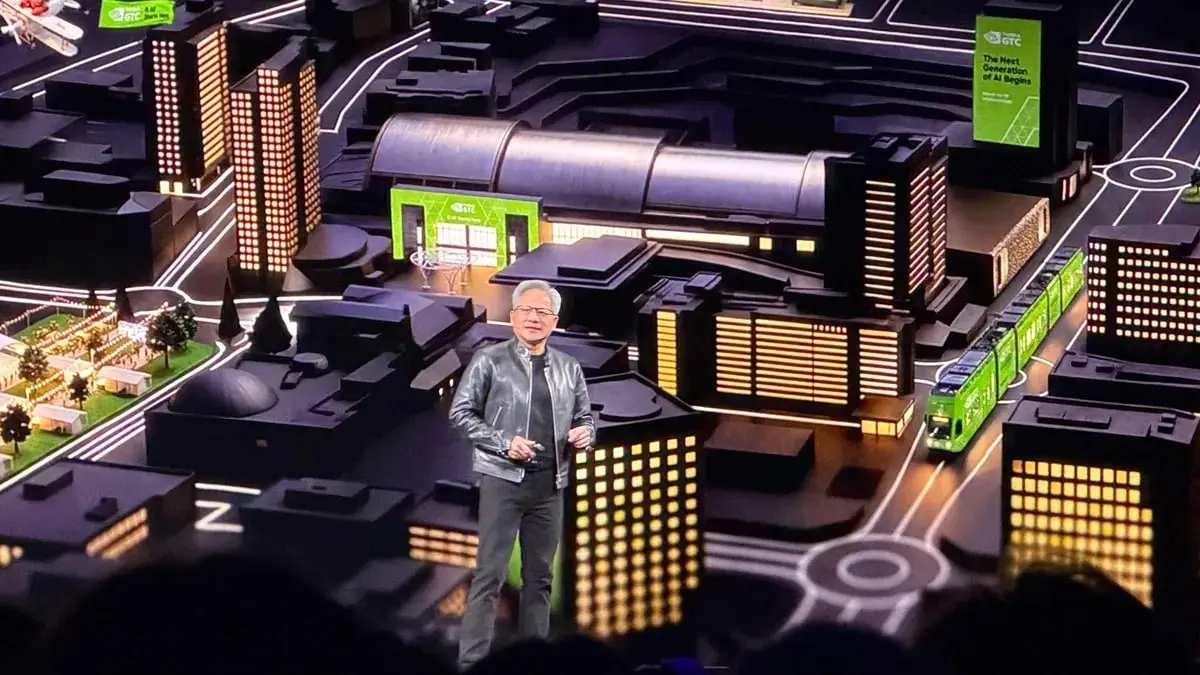
DLSS 5 is a different beast entirely. Rather than upscaling or frame generation, it applies a real-time neural rendering model that analyses a game's colour and motion vectors, then uses generative AI to inject what Nvidia calls "photoreal lighting and materials" into the scene. CEO Jensen Huang described it as "the GPT moment for graphics, blending handcrafted rendering with generative AI to deliver a dramatic leap in visual realism."
The problem? The demos make it look less like a technical enhancement and more like someone ran the whole game through an aggressive Instagram filter.
The Yassification Problem
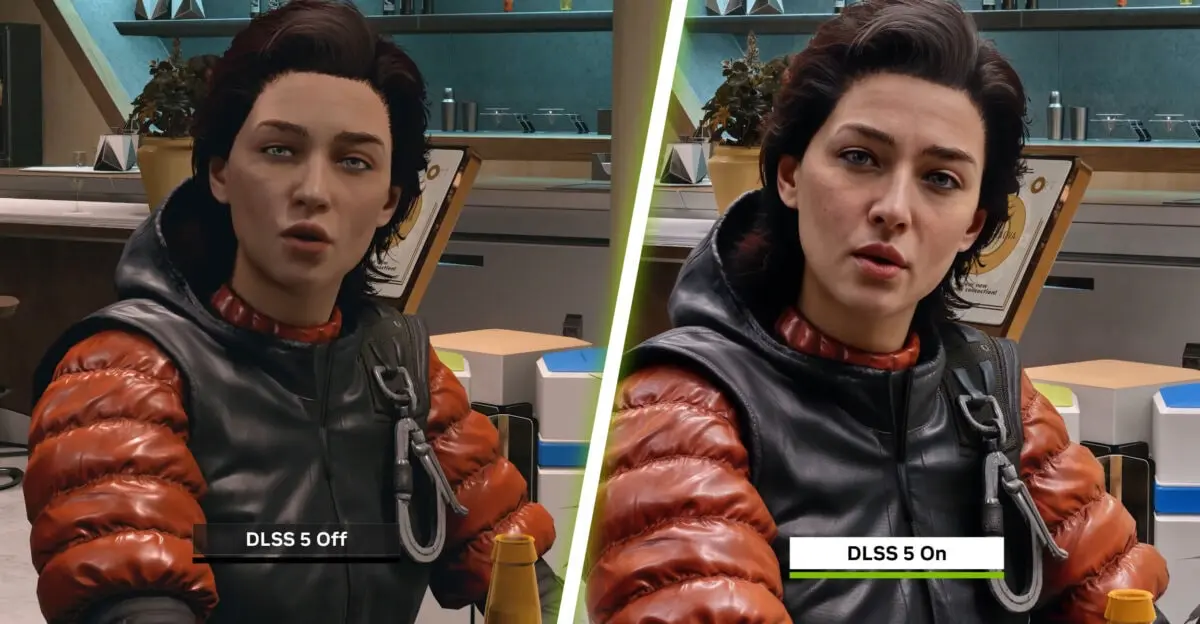
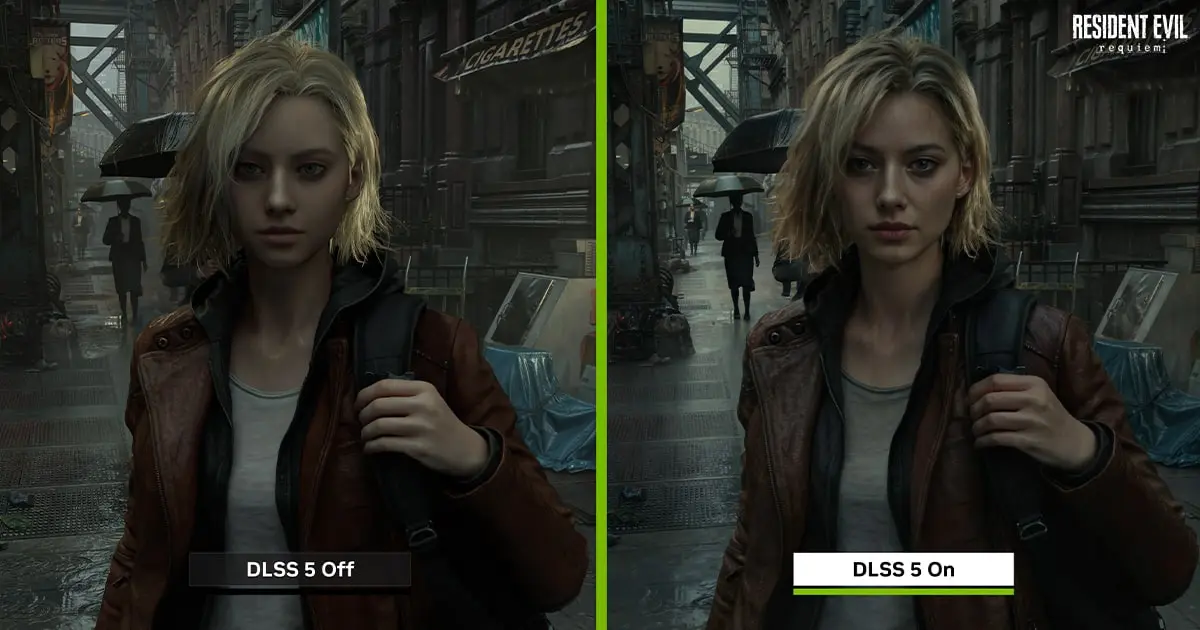
The specific flashpoint that got people riled up was character faces. In Nvidia's own showcase footage, characters like Grace Ashcroft from Resident Evil Requiem and various figures from Starfield are noticeably altered. Fuller lips. Sharper cheekbones. Skin that looks smooth in a way that borders on uncanny rather than realistic.
PC Gamer noted that the AI model appears to have absorbed a particular beauty standard during training, effectively overwriting the original character designs. This is what people online have been calling the "yassification" effect, and it's a fair description. The characters don't just look more realistic, they look like different people.
Steve Karolewics, a rendering engineer at Respawn, put it bluntly: "DLSS 5 looks like an overbearing contrast, sharpness, and airbrush filter. Remarkably different frames with the rationale of photo-real lighting? Nah, I think I'll stick with the original artistic intent."
Concept artist Jeff Talbot went further, saying "This is NOT the direction games should be going in. In every shot the art direction was taken away for the senseless addition of 'details'. Each DLSS 5 shot looked worse and had less character than the original."
That last line stings a bit. Less character. On a graphics enhancement tool.
Jensen Huang Fires Back
Nvidia's CEO is not exactly losing sleep over the criticism. Huang told reporters that detractors of DLSS 5 are "completely wrong," arguing that the technology preserves the underlying geometry and textures of the original game while enhancing the lighting on top of it.
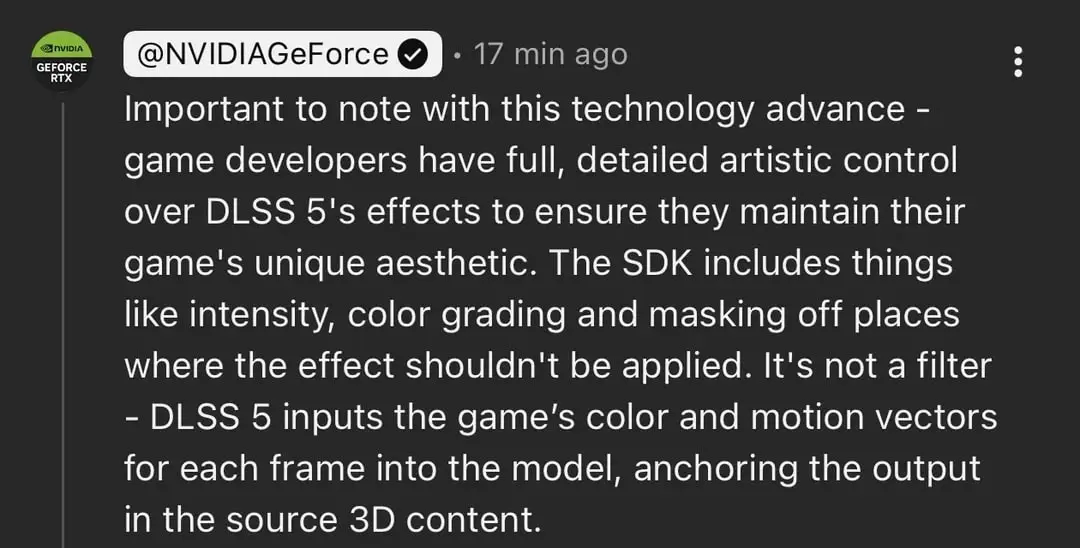
Nvidia also posted an official response directly below their demonstration video, pushing back on the claim that DLSS 5 is simply an AI filter slapped over existing footage. The company maintains that developers will have genuine control over the technology via an SDK that lets them adjust intensity, colour correction, and masking for specific areas of the scene where the AI enhancement is unwanted.
Whether that level of control is enough to satisfy the industry remains to be seen. As VGC reported, some industry veterans aren't convinced, with others noting they would have wanted to ask harder questions in Nvidia's briefing sessions.
Which Games Will Support It
Despite the controversy, a notable roster of publishers and games are already lined up. According to Nvidia, DLSS 5 has support confirmed from Bethesda, Capcom, Ubisoft, Warner Bros., Tencent, NetEase, and several others.
Games set to support the feature include:
- Resident Evil Requiem
- Starfield
- Hogwarts Legacy
- Assassin's Creed Shadows
- Phantom Blade Zero
- Oblivion Remastered
- EA Sports FC
- Where Winds Meet
DLSS 5 is set to launch in autumn 2026, and will be exclusive to Nvidia's RTX 5000 series graphics cards. So if you're on older hardware, this particular debate won't affect you for a while.
Is Any of This Actually Bad?
Here's a thought worth sitting with. Digital Foundry got hands-on time with DLSS 5 at GTC and came away impressed. The environmental lighting improvements in some of the demos genuinely look stunning. Better fabric rendering, more convincing shadows, specular highlights that bring textures to life.
The backlash, by most accounts, is being driven primarily by the character face examples Nvidia chose for its press materials, not necessarily by the technology across the board. Those face comparisons were a bad look, and Nvidia probably didn't help itself by leaning so heavily on humanoid close-ups in the reveal.
But there's a broader unease here too. This is generative AI entering the picture in a new way. Previous DLSS versions reconstructed what was there. DLSS 5 generates what it thinks should be there. That distinction matters to a lot of people, creatively and philosophically.
The gaming community has been arguing about AI's role in development for a couple of years now. DLSS 5 just gave that argument a very specific, very visible face to point at.
We'll see what the finished product actually looks like when it ships later this year. For now, at least, Nvidia has everyone talking.
Related Articles
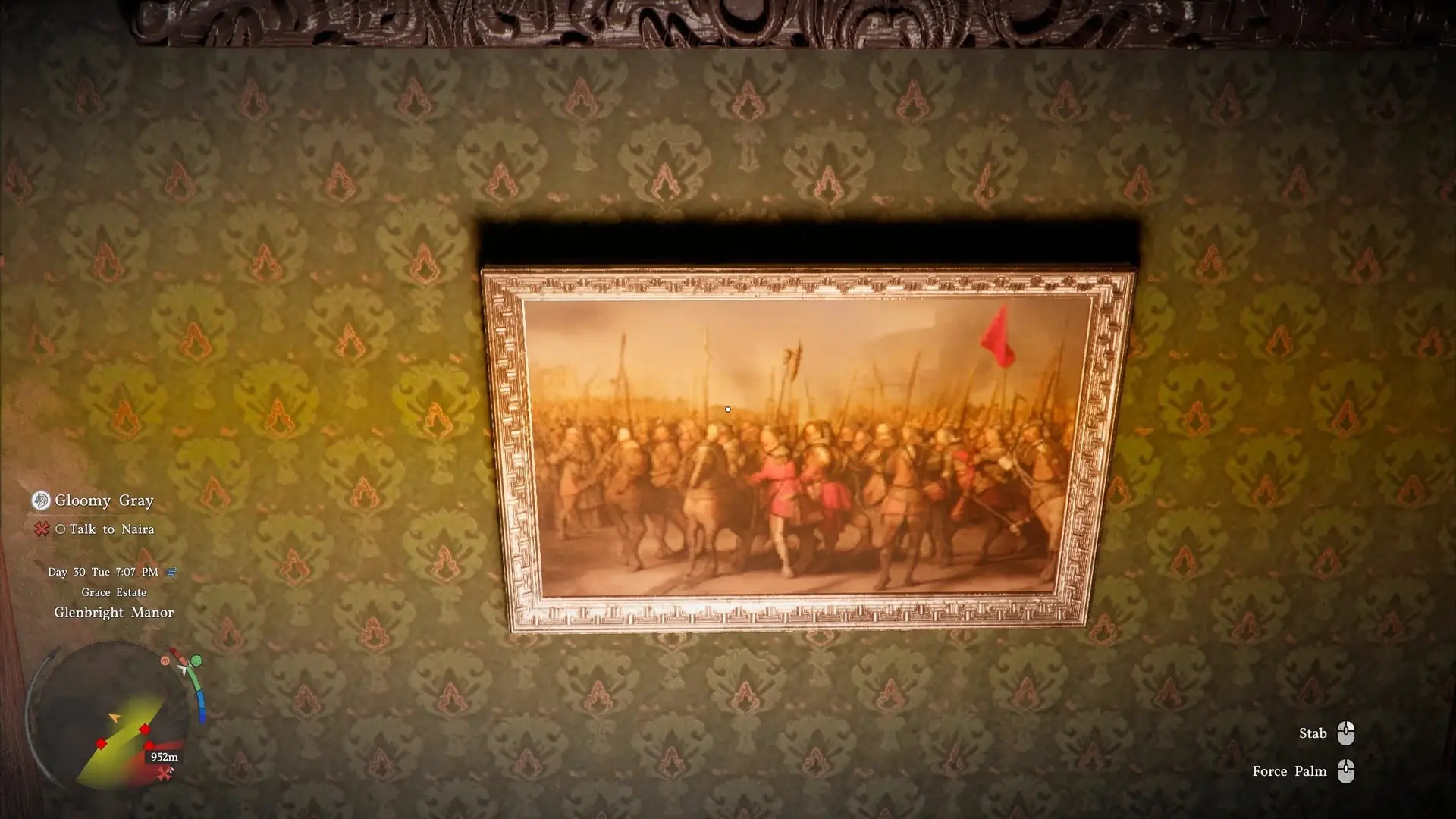
Crimson Desert Players Are Calling Out Suspected AI-Generated Art Hidden Across Pywel
Less than 48 hours after launch, Crimson Desert players are spotting what looks like AI-generated paintings on manor walls, and Pearl Abyss hasn't said a word.
1AM Gamer Team
21 March 2026
CPU Prices Are Going Up Again, And Gamers Are Going To Feel It
Intel is planning a third CPU price hike in 2026, pushing costs up to 30% above 2025 levels. Here's what that means for PC gamers and the wider industry.
1AM Gamer Team
9 April 2026
Subnautica 2 Sold So Well That Krafton Now Has to Pay the $250 Million Bonus It Fought to Avoid
Subnautica 2 has shifted 4 million copies in early access, and Krafton has reportedly agreed to pay the $250 million earnout it spent months trying to dodge.
1AM Gamer Team
31 May 2026