Stake Denies Rigging Slot Results for Drake and Adin Ross on Kick

1AM Gamer Team
1 March 2026 17:00 PM GMTThe numbers don't lie. Or do they?
That's the question sitting at the centre of a firestorm right now, after a Bloomberg Businessweek investigation tore through the Stake-Kick partnership and came out the other side with some deeply uncomfortable findings. The short version: Drake and Adin Ross appear to hit massive jackpots roughly four times more often than every other streamer analysed, but only on slot games owned by Stake's own parent company, Easygo.
Stake, for its part, says it doesn't give its influencers better odds. Full stop.
What the Investigation Actually Found
Bloomberg Businessweek spent time analysing almost 500 hours of Stake slot gameplay across 25 streamers on Kick. A "big win" was defined as any payout exceeding 1,000 times the base bet. Across the full sample, those hit roughly once every 10,000 spins on average.
Drake and Ross? About once every 2,500 spins.
On Easygo-owned titles, at least. On third-party games, their win rates were described as entirely average. That specific detail is the crux of the whole controversy, and it's a distinction that's hard to write off as coincidence.
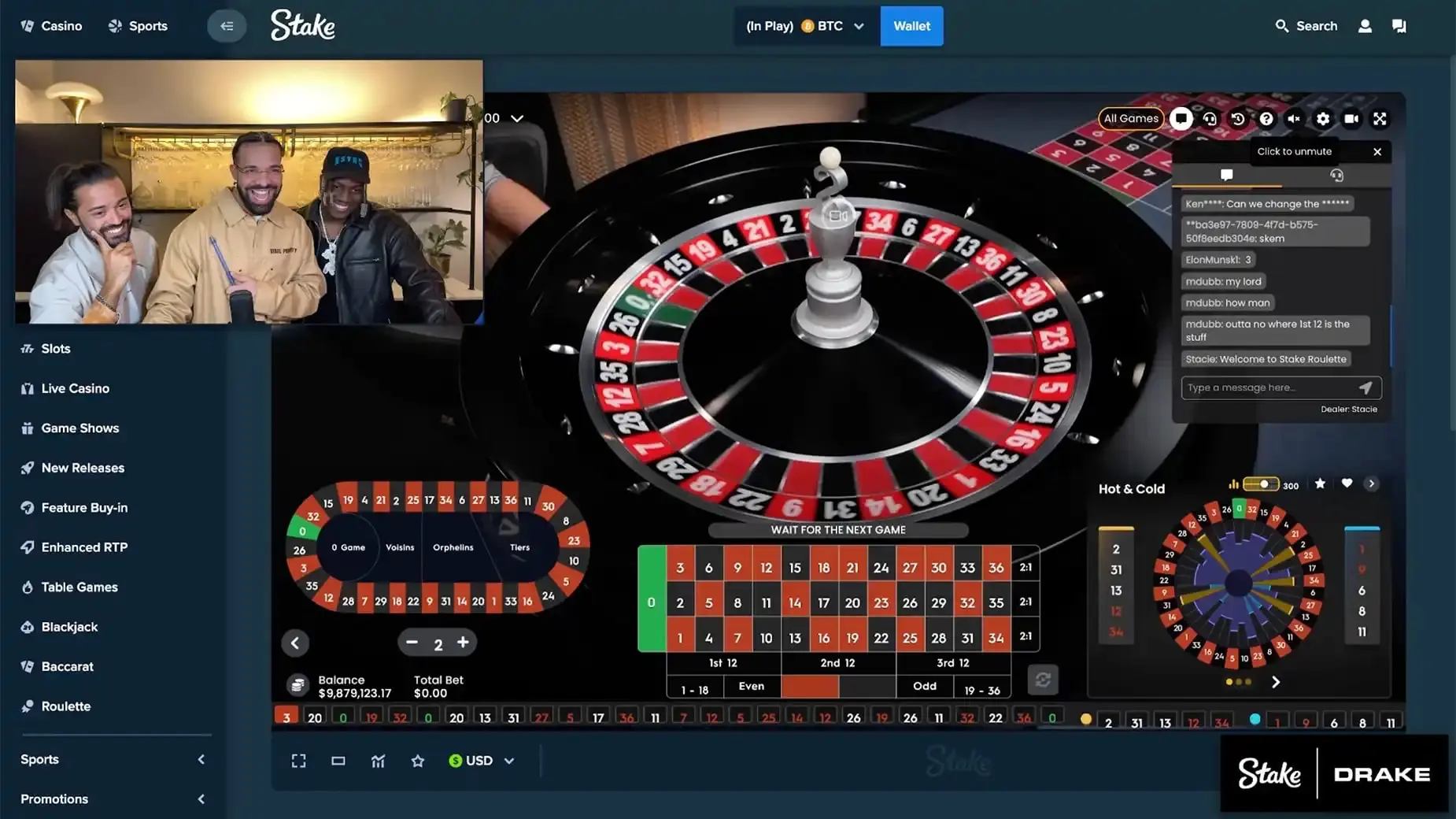
One particular stream from August 2025 drew serious attention. According to Dexerto, Drake's balance reportedly dropped from $3.5 million to $422,000 during a session before Stake co-founder Ed Craven reportedly joined the stream, deposited $500,000 into Drake's account, and nudged him toward specific Easygo games including Puffer Stacks and Rooster Returns. Within an hour, Drake reportedly landed four massive jackpots and climbed back to $2.2 million.
Stake's Response
Stake has pushed back firmly. The company maintains it does not alter odds for any streamer, verifies users, and enforces geo-blocking in restricted regions. There's been no acknowledgement of the specific pattern Bloomberg identified, just a flat denial that influencers receive any kind of preferential treatment.
The problem is the numbers make that denial a tough sell for a lot of people watching this unfold.
Fill Deals, Clipping Armies, and the Full Picture
There's a broader machinery at work here worth understanding. Other prominent Kick figures, including Tyler "Trainwreckstv" Niknam, have previously admitted some influencers use what are called "fill deals" where the casino loads the funds and the streamer often has limits on what they withdraw. It's essentially sponsored play dressed up as personal gambling.
On top of that, Bloomberg's reporting suggests Stake operates a large network of third-party creators paid anywhere from $500 to $800 per million views to clip and spread the biggest winning moments across social media. Those clips often land on Instagram and TikTok, bypassing gambling ad restrictions entirely and reaching audiences, including younger viewers, who'd never actively seek out a casino stream.
As for the money flowing to the top names: Bloomberg's reporting puts Drake's wallet as having received between $45 and $50 million worth of crypto per week from Stake at various points, with one week allegedly reaching $190 million. Ross reportedly received at least 26,000 Ether, worth approximately $78 million across transactions from November 2021 to March 2025.
These aren't small promotional deals. This is a full-scale content and marketing operation built around the illusion of organic wins.
The Legal Situation
This isn't just a PR headache. Stake is facing at least 11 class-action lawsuits in the United States, with some naming Drake and Ross directly. The suits allege deceptive trade practices and argue that broadcasting statistically rare outcomes as though they're a normal Tuesday creates false impressions about actual gambling risk.
Regulators in California and Missouri have also targeted Stake's US sweepstakes model, where users play with "Stake Cash" instead of direct cryptocurrency wagers. Officials there have called it a "rogue racket" designed to exploit cognitive biases and pull in vulnerable players throu
Related Articles
Highguard Studio Wildlight Has Fewer Than 20 Developers Left After Devastating Layoffs
A new Bloomberg report reveals Wildlight Entertainment, maker of Highguard, has fewer than 20 staff left after mass layoffs just weeks after launch, with Tencent pulling funding.
1AM Gamer Team
27 February 2026
New York Sues Valve Over Loot Boxes, Calling Them Illegal Gambling Targeting Children
New York Attorney General Letitia James has filed a lawsuit against Valve, alleging loot boxes in Counter-Strike 2, Dota 2, and Team Fortress 2 constitute illegal gambling aimed at children.
1AM Gamer Team
26 February 2026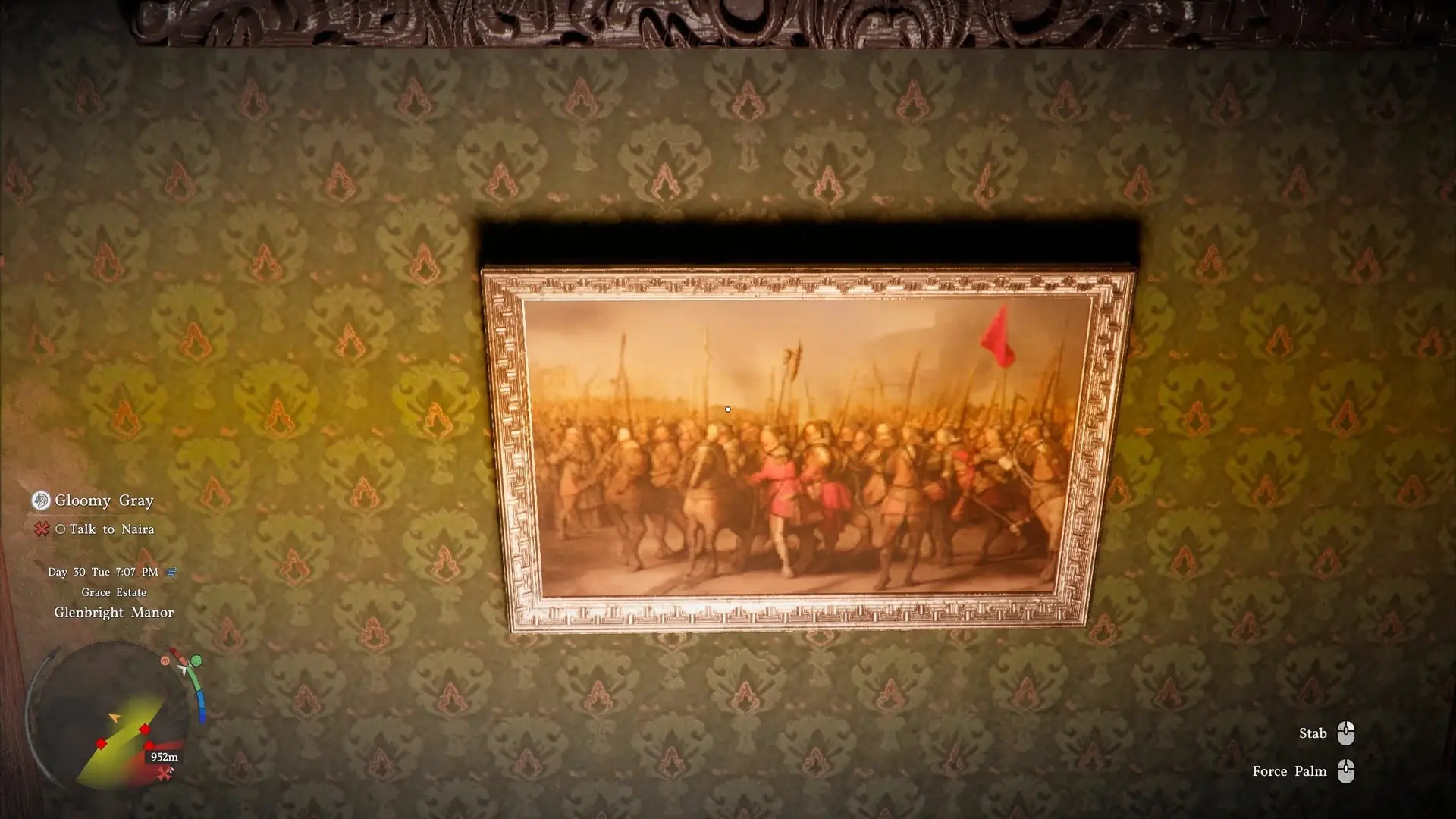
Crimson Desert Players Are Calling Out Suspected AI-Generated Art Hidden Across Pywel
Less than 48 hours after launch, Crimson Desert players are spotting what looks like AI-generated paintings on manor walls, and Pearl Abyss hasn't said a word.
1AM Gamer Team
21 March 2026