
Valve Pushes Back Against New York Attorney General Lawsuit Over Loot Boxes

1AM Gamer Team
12 March 2026 16:00 PM GMTValve has fired back. Two weeks after the New York Attorney General sued the company over loot boxes in its games, Valve published a public statement on Steam on 11 March 2026, addressed directly to its New York player base. The message is pretty clear: they disagree, they're not backing down, and they'll see the NYAG in court if it comes to that.
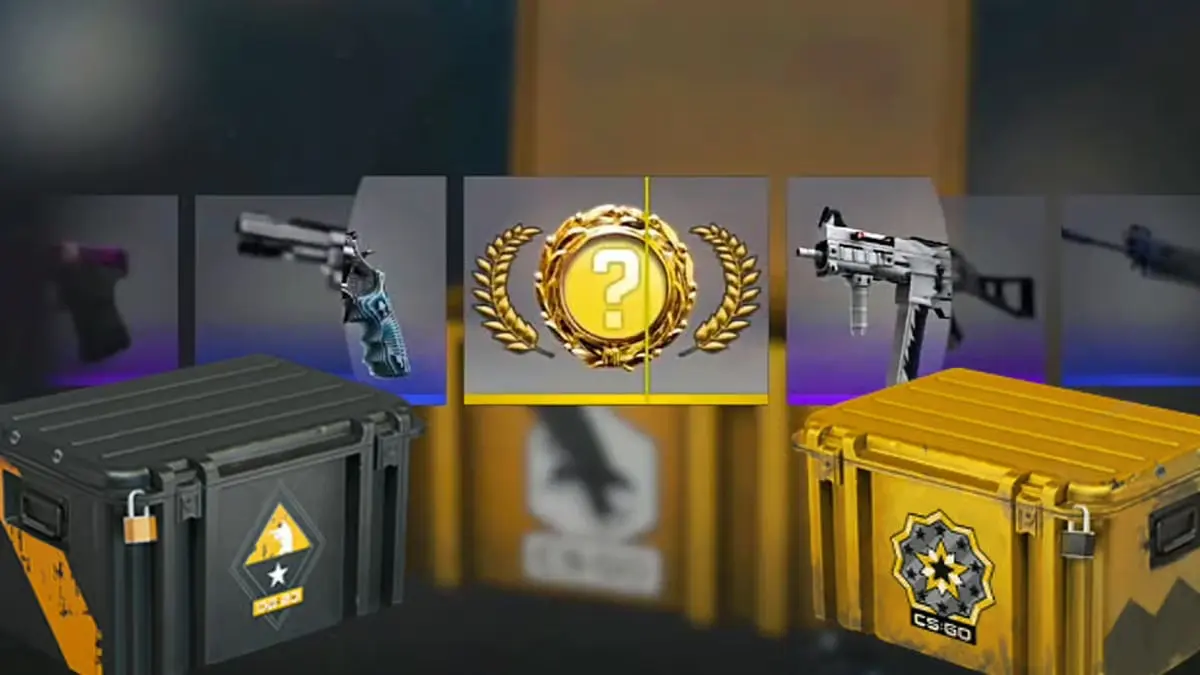
The lawsuit itself, filed by Attorney General Letitia James at the end of February, targets loot boxes in Counter-Strike 2, Team Fortress 2, and Dota 2. The AG's office argues these mystery boxes function like slot machines, enticing players, including teenagers and children, to spend money for a chance at rare virtual items that hold real monetary value. One CS2 skin has reportedly sold for over $1 million. The lawsuit seeks to permanently stop Valve from offering these features and force the company to pay back "ill-gotten gains."
Valve's take? They think the whole premise is wrong.
"We don't believe that they do, and were disappointed to see the NYAG make that claim after working to educate them about our virtual items and mystery boxes since they first reached out to us in early 2023" the company wrote, noting it had cooperated fully with the AG's investigation for years before the suit landed.
The Baseball Cards Defence
Valve's main argument is that mystery boxes are no different from physical collectibles people have bought for decades. The company pointed to baseball cards, Pokémon packs, Magic: The Gathering boosters, and Labubu blind boxes as direct comparisons, products where you pay money, get a random item, and can trade or sell what you receive. Nothing new, nothing illegal, Valve argues.
They also stressed that opening boxes is entirely optional. Most players never spend a penny on crates.
"Players don't have to open mystery boxes to play Valve games. In fact, most of you don't open any boxes at all and just play the games, because the items in the boxes are purely cosmetic, there is no disadvantage to a player not spending money."
That last point matters. Unlike pay-to-win mechanics, CS2 skins don't affect gameplay. They're status symbols, not power-ups.
The Transferability Fight
One of Valve's sharpest objections is to what the NYAG is actually asking for. The AG's office reportedly wants Valve to make loot box contents non-transferable, stripping players of the ability to trade or sell items they've won. Valve flatly refused this, arguing that resellability is a feature, not a flaw. Being able to sell an item on the Steam Community Market is what makes the system comparable to trading cards. Take that away, and you've changed the product entirely.
The company also pushed back against demands for more invasive user data collection, calling the proposals disproportionate.
On Gambling Sites
Valve did take aim at one legitimate criticism head-on. Third-party skin gambling sites have been a known problem in the CS community for years, and the AG's lawsuit leans on this ecosystem as evidence of harm.
Valve's response was direct: "Valve does not cooperate with gambling sites. To date, we've locked over one million Steam accounts that were being misused by third parties in connection with gambling, fraud, and theft."
The company says it has pushed trade cooldowns and reversals specifically to make it harder for these sites to operate.
The Violence Tangent
The NYAG's original press release included a claim that Valve's games "glorify violence and guns" and contribute to real-world gun violence among young players. Valve didn't let that slide.
"Those extraneous comments are a distraction and a mischaracterisation we've all heard before. Numerous studies throughout the years have concluded there is no link between media (movies, TV, books, comics, music, and games) and real world violence."
It's worth noting that plenty of people who agreed with the gambling side of the lawsuit still criticised the AG for including that framing. It muddied the waters and arguably weakened the overall case's credibility.
Where Things Stand
Valve hasn't ruled out complying with future legislation if New York lawmakers actually pass laws governing mystery boxes. But the company's position is that the AG's current demands go beyond what existing law requires, and it will make that argument in court.
This isn't Valve's only legal headache right now. A second loot box lawsuit has been filed since the NYAG's case dropped, and the company is also facing a separate UK-based claim alleging Steam sold music without proper licences.
The loot box debate has been simmering for years across gaming. Belgium and the Netherlands moved to ban them entirely back around 2018. Germany recently required CS2 players to use an alternative system called the X-ray Scanner to comply with national gambling laws. The US has been slower to act, but the New York case suggests that window might finally be closing, whether Valve wins this round or not.
Related Articles

New York Sues Valve Over Loot Boxes, Calling Them Illegal Gambling Targeting Children
New York Attorney General Letitia James has filed a lawsuit against Valve, alleging loot boxes in Counter-Strike 2, Dota 2, and Team Fortress 2 constitute illegal gambling aimed at children.
1AM Gamer Team
26 February 2026
Valve Hit With Class-Action Lawsuit Over Loot Box Gambling Claims
Seattle law firm Hagens Berman has filed a class-action lawsuit against Valve, accusing the company of running an illegal gambling operation through its loot box system.
1AM Gamer Team
10 March 2026
Valve Is Fighting Legal Battles on Five Fronts. Here Is What Is at Stake
From loot box gambling claims to a £656m antitrust suit, Valve faces at least five major legal actions in the US and UK. Here is what each case means.
1AM Gamer Team
8 April 2026