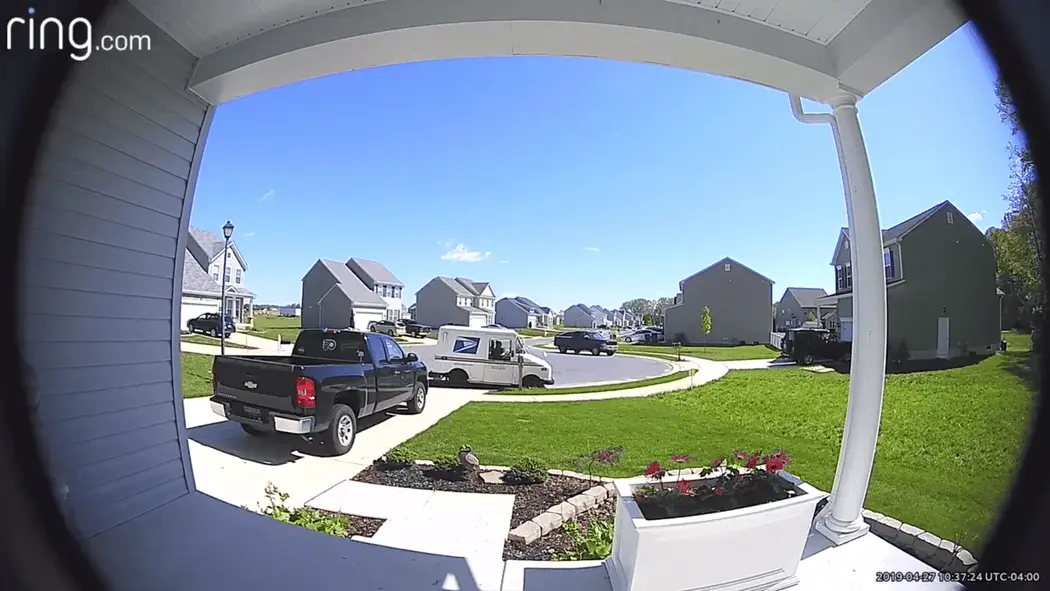
Amazon's Ring Scraps Flock Safety Partnership After Super Bowl Ad Triggers Surveillance Backlash

1AM Gamer Team
16 February 2026 16:00 PM GMTAmazon's Ring has pulled the plug on its planned integration with surveillance company Flock Safety. The decision comes just days after a Super Bowl commercial sparked outrage across social media platforms about neighbourhood tracking technology.
The partnership, announced in October 2025, would have connected Ring's Community Requests feature with Flock's law enforcement platforms. Police using Flock systems could have requested doorbell footage directly from nearby Ring users during active investigations.
That integration never launched. No customer videos ever changed hands between the two companies.
The Super Bowl Ad That Changed Everything
Ring's 30-second Super Bowl spot featured the company's Search Party feature. The ad showed a lost dog reunited with its family through AI-powered neighbourhood camera scanning. Sounds wholesome enough, right?
Social media users had other thoughts. The visual of every doorbell camera in a neighbourhood simultaneously activating to track a single target struck many viewers as dystopian rather than heartwarming.
Critics questioned whether technology capable of scanning neighbourhoods for specific dogs could be repurposed to track specific people . The backlash was swift and severe, with thousands of users calling the feature creepy and threatening to remove their Ring devices entirely.
Ring founder Jamie Siminoff narrated the commercial himself. He claimed more than one dog per day has been reunited with families since Search Party launched , but that statistic did little to calm privacy advocates who saw something far more troubling.
Flock Safety's ICE Connection Problem
The timing couldn't have been worse for Ring. Flock Safety, the company Ring chose to partner with, operates automated licence plate readers that collect vehicle data into a centralised database. Law enforcement can search this database without a warrant .
More concerning still, 404 Media reported in May 2025 that local police agencies were performing searches of Flock's database on behalf of Immigration and Customs Enforcement . Officers typed terms like "immigration" "ICE" and "illegal immigration" into search logs, revealing the backdoor access federal agencies had to the system.
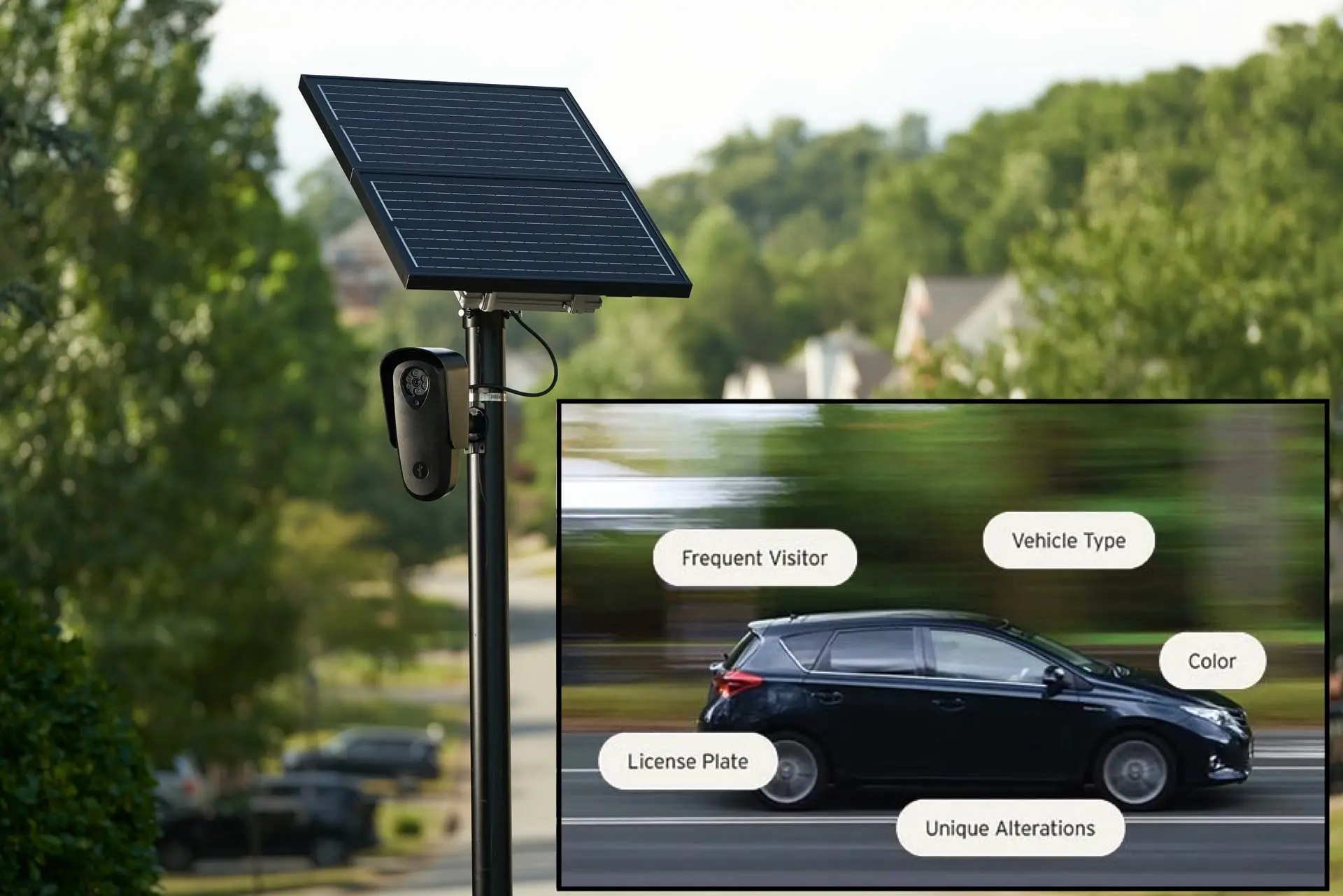
Flock Safety insists it has no direct partnership with ICE. The company stated that federal agencies including ICE cannot directly access Flock cameras, systems or data . But privacy experts note that local police departments retain full authority over their own data and can share it with federal agencies if they choose.
That loophole effectively gives ICE access to Flock's nationwide network through cooperative local law enforcement, even in jurisdictions where data sharing for immigration enforcement is prohibited by local law.
Electronic Frontier Foundation Sounds Alarm
Digital rights organisation Electronic Frontier Foundation published a scathing response to Ring's Super Bowl advertisement. Senior investigative researcher Beryl Lipton wrote that the ad previewed a world where biometric identification could be unleashed from consumer devices to identify, track and locate anything, human or pet .
Ring already integrates biometric identification through its Familiar Faces feature, which uses facial recognition to scan faces and match them against pre-saved, pre-approved faces . The concern is that combining facial recognition with neighbourhood-wide camera networks creates infrastructure for mass surveillance.
Lipton warned that people need to reject disingenuous framing and recognise the potential end result as a scary overreach of the surveillance state designed to catch everyone in its net .
Senator Markey Demands Answers
Massachusetts Senator Edward Markey sent a letter to Amazon CEO Andrew Jassy on 11 February, urging the company to discontinue its Familiar Faces facial recognition technology entirely.
Markey wrote that Amazon apparently intended its Super Bowl commercial to demonstrate that its new technologies could identify lost pets, but instead inadvertently revealed the serious privacy and civil liberties risks attendant to these types of AI-enabled image recognition technologies .

The senator has maintained oversight of Ring's privacy practices since 2019. Markey concluded that the massive backlash to Ring's Super Bowl advertisement confirmed the public's opposition to Ring's constant monitoring and invasive image recognition algorithms .
Amazon's response to Markey's previous October letter revealed something troubling. Ring's privacy protections only apply to device owners and not members of the public . Anyone walking past a Ring doorbell can have their face scanned and stored without their knowledge or consent.
The Official Explanation
Ring issued a statement citing resource constraints. The company determined the planned Flock Safety integration would require significantly more time and resources than anticipated, leading to the joint decision to cancel the planned integration .
Flock Safety echoed this explanation, describing the cancellation as mutual and emphasising that it never received Ring footage.
Neither company mentioned the Super Bowl backlash, immigration enforcement concerns, or mounting political pressure in their official statements.
What Happens Next
Ring's Community Requests feature remains active. The service allows law enforcement to request video footage from users for investigations, though users are never required to share information and can ignore the request . Ring currently partners with Axon Evidence to facilitate secure transfers of user-submitted videos.
Ring confirmed that federal agencies including ICE are not permitted to submit Community Requests in the Neighbours app, with only local law enforcement eligible to create requests . Whether that policy will satisfy critics remains to be seen.
Search Party remains available and free to use. Ring even committed 1 million dollars to equip over 4,000 US animal shelters with Ring cameras specifically for lost pet reunification.
The question privacy advocates continue asking is simple. If the technology exists to scan every camera in a neighbourhood for a specific dog, what prevents that same technology from scanning for specific people? Ring insists Search Party is not designed to process human biometrics. But trust in those assurances has worn thin after years of evolving surveillance capabilities and shifting partnerships with law enforcement.
The feature is turned on by default in eligible cameras, requiring users to opt out through the Control Centre in the Ring app . Users concerned about privacy can disable both Search Party and Community Requests through their device settings.
For now, the Flock integration is dead. The surveillance concerns it raised are very much alive.
Related Articles
Ring Doorbell AI Dog Tracker Sparks Mass Privacy Panic After Super Bowl Ad
Amazon's heartwarming Super Bowl advert for its Ring doorbell AI feature that finds lost dogs has backfired spectacularly, with users destroying their cameras.
1AM Gamer Team
13 February 2026
Twitch Streamers Are Furious Over New AI Stream Summary Feature
Twitch revealed an AI-powered mid-stream summary tool at TwitchCon Rotterdam 2026, and streamers are already demanding the ability to turn it off.
1AM Gamer Team
1 June 2026
Assassin's Creed Black Flag Art Book Surfaces on Amazon Before Official Game Reveal
An Amazon listing for an art book tied to the heavily rumoured Black Flag remake has appeared, complete with a release date and publisher, before Ubisoft confirms the game exists.
1AM Gamer Team
12 February 2026