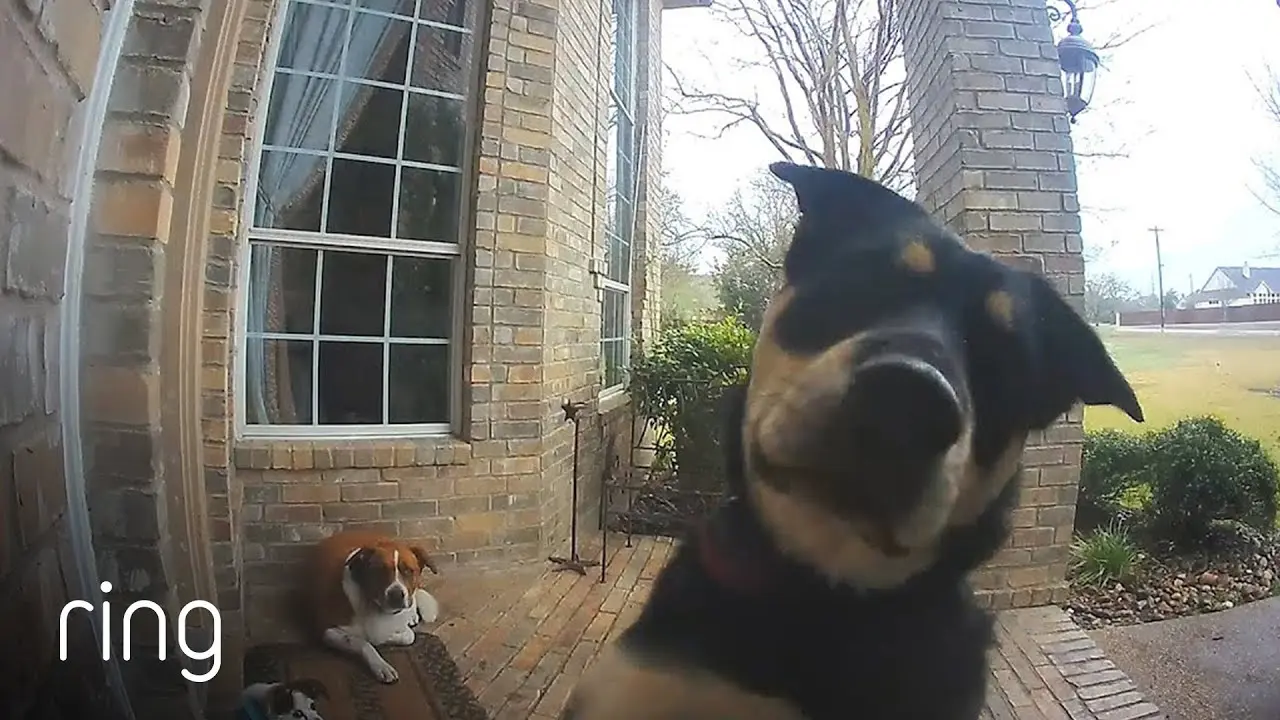
Ring Doorbell AI Dog Tracker Sparks Mass Privacy Panic After Super Bowl Ad

1AM Gamer Team
13 February 2026 21:00 PM GMTLook, we get it. This isn't gaming news. But when a tech company starts building a surveillance network that could track literally anyone, we need to talk about it.
Amazon's Ring doorbells just became the most controversial product of 2026, and it all happened during the Super Bowl. The company aired what they thought was a tear-jerking advert about reuniting lost dogs with their owners. Instead, they accidentally revealed they've built an AI-powered neighbourhood surveillance system that has people smashing their cameras with hammers.
The commercial showed Ring's new Search Party feature. Upload a photo of your missing dog, the advert promised, and every Ring camera in your area starts scanning for matches. Sounds sweet, right?
Not quite.
What Ring Actually Built
Here's how Search Party works. When someone reports a lost dog in the Ring app, nearby outdoor cameras automatically scan footage using AI. The system analyses breeds, fur patterns, body shapes, unique markings. If there's a match, the camera owner gets pinged. They can choose to share the clip or ignore it.
Ring claims the feature reunited 99 dogs with owners in the first 90 days. That's roughly one dog per day since launching nationwide in November 2025. Impressive numbers. Problem is, the technology that finds your Golden Retriever can find anything else with equal precision.
The backlash came fast. Videos of people ripping Ring cameras off their walls went viral. One Seattle artist filmed herself flipping off her doorbell before yanking it down. That clip hit 3.2 million views in days.
The Flock Safety Problem
Ring's timing was spectacularly bad. Back in October 2025, the company announced a partnership with Flock Safety, a surveillance firm that sells automated license plate readers to police departments. The deal would have let law enforcement request Ring footage directly through Flock's software.
Then came the reports. Flock's database had been accessed by ICE for immigration enforcement. The Electronic Frontier Foundation called Ring's move a "bad, bad step" that rolled back years of privacy reforms. Democratic Senator Ed Markey summed it up bluntly on X: "This definitely isn't about dogs, it's about mass surveillance."
Three days after the Super Bowl ad aired, Ring cancelled the Flock partnership. They claimed it needed "significantly more time and resources than anticipated." Nobody bought that explanation. The partnership announcement came four months earlier. The cancellation happened after people started returning their cameras en masse and getting refunds from Amazon.
Why People Are Genuinely Worried
Ring founder Jamie Siminoff insists Search Party "is not capable of processing human biometrics." The AI only recognises dogs, he says. Amazon CEO Andy Jassy backed him up, posting that the system was trained on "tens of thousands of dog videos" to identify breeds, sizes, fur patterns, and colour.
Privacy experts aren't convinced. Ring already has facial recognition built into its products through a feature called Familiar Faces. That technology scans faces passing by your camera and matches them against pre-saved faces you've approved. The Electronic Frontier Foundation pointed out the obvious: "It doesn't take much to imagine Ring eventually combining these two features, face recognition and neighbourhood searches."
Jay Stanley from the ACLU told USA TODAY the commercial "surprised a lot of Americans by revealing just how powerful surveillance networks backed by AI have become. That power may be applied to puppies today, but where else might it be applied?"
Consider the infrastructure Ring has built. The company owns millions of doorbells and security cameras across America. They've created a hyperlocal social network called Neighbors where users share footage. They launched Community Requests, letting police ask users for video during active investigations. And now they've added AI that can scan multiple cameras simultaneously searching for specific visual patterns.
That's not a dog finder. That's a surveillance grid that happens to find dogs right now.
The Numbers Don't Add Up
Ring's advert opened with a statistic: 10 million pets go missing in the US every year. Then Siminoff proudly declared Search Party had reunited "more than a dog a day" with families since launch.
Do the maths. Three months of operation. Roughly 99 dogs found. That's 0.001095 per cent of the annual missing dog total. To hit even 1 per cent, Ring would need to find 274 dogs every single day. The feature doesn't scale. Traditional methods like microchips, physical posters, and asking neighbours probably work better.
But effectiveness isn't the point. Ring isn't selling dog detection. They're normalising AI-powered neighbourhood monitoring. Make it cute now with puppies. Expand functionality later when nobody's paying attention.

What Comes Next
Ring cancelled Flock but kept their other law enforcement partnership with Axon Enterprises, the company that makes Tasers and police body cameras. Community Requests continues operating. Users can still voluntarily share footage with police through Axon's software. Ring claims this maintains "chain of custody" better than their previous system.
The Search Party feature stays active by default on outdoor cameras. Users must manually disable it through the Ring app's Control Centre. Anyone in America can now report a lost dog and trigger neighbourhood scans, whether they own Ring equipment or not. That expansion happened in November 2025, before the Super Bowl controversy.
Ring announced they're committing $1 million to equip over 4,000 animal shelters with camera systems. They're also adding cat detection to Search Party later this year. The stated goal is helping shelters identify and return lost pets faster.
The unstated reality? Amazon just convinced millions of Americans to install always-watching AI cameras on their homes and pay monthly subscriptions for the privilege. What starts as dog detection today becomes person tracking tomorrow. The technology already exists. Ring admits their cameras use facial recognition through Familiar Faces. Merging that capability with Search Party's network scanning is just a software update away.
Some users get it now. Others will figure it out when it's too late. Either way, the cameras are already installed and the network keeps growing.
Related Articles
Amazon's Ring Scraps Flock Safety Partnership After Super Bowl Ad Triggers Surveillance Backlash
Ring has terminated its controversial partnership with Flock Safety following intense criticism over a Super Bowl commercial that raised serious surveillance concerns.
1AM Gamer Team
16 February 2026
Twitch Streamers Are Furious Over New AI Stream Summary Feature
Twitch revealed an AI-powered mid-stream summary tool at TwitchCon Rotterdam 2026, and streamers are already demanding the ability to turn it off.
1AM Gamer Team
1 June 2026
Assassin's Creed Black Flag Art Book Surfaces on Amazon Before Official Game Reveal
An Amazon listing for an art book tied to the heavily rumoured Black Flag remake has appeared, complete with a release date and publisher, before Ubisoft confirms the game exists.
1AM Gamer Team
12 February 2026