The Biggest Failed Game Launches of All Time

1AM Gamer Team
21 February 2026 16:30 PM GMTA launch fails in one of three ways. The game doesn't work. It isn't what people thought they were buying. Or it breaks trust in a way that feels personal. Sometimes it manages all three at once.
Gaming history is full of these moments. Some games never recovered. Others clawed their way back over years of painful rebuilding. A few are still talked about like open wounds, even now.
Here's a look at the worst of them, what actually went wrong, and why developers keep making the same mistakes.
The Games That Just Died
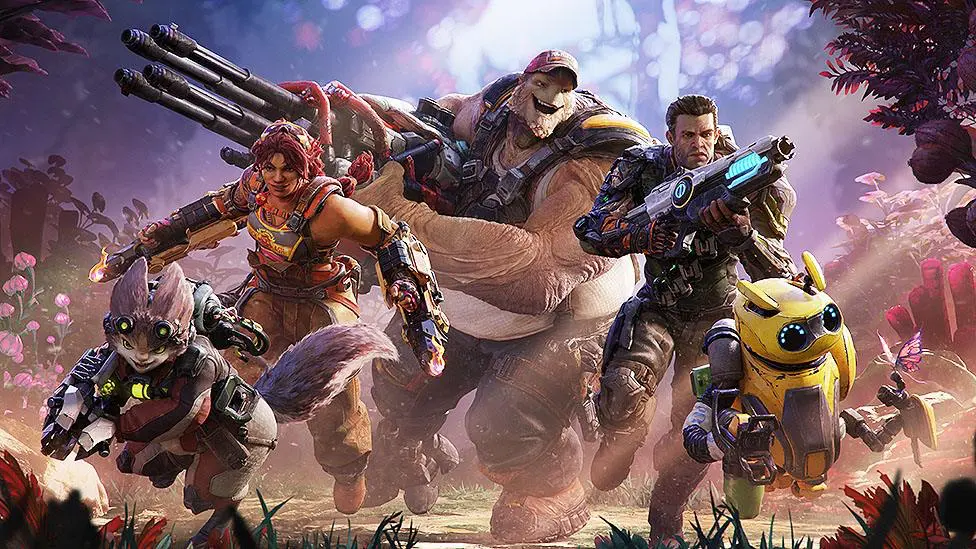
Some launches didn't just go badly. They ended the game entirely, and in a couple of cases, the studio too.
The Day Before (2023) is probably the most spectacular collapse in recent memory. The game had been hyped for years as an open-world survival MMO, the kind of thing that racks up massive wishlists on Steam simply by existing. When it finally released, players discovered something that bore almost no resemblance to what had been marketed. Developer Fntastic shut down within days. The game was pulled from Steam almost immediately. The whole thing was over in about a week. It's become the go-to cautionary tale about hype cycles and what happens when a game's marketing becomes the actual product.
Crucible (2020) took a different and genuinely strange path. Amazon Games launched it as a free-to-play shooter, watched it fail to find an audience, then did something almost unheard of: they pulled it back into closed beta, trying to undo the launch. It didn't work. The game was cancelled entirely. You rarely see a publisher publicly admit "we need to pretend that didn't happen" but that's basically what Amazon did.
Babylon's Fall (2022) by Square Enix and PlatinumGames barely made it a year before the servers shut down. Online-only, rough reviews, and nobody left playing. When the plug got pulled, people who'd bought the game simply couldn't play it anymore. That's the worst-case scenario for always-online design.
Battleborn (2016) and LawBreakers (2017) share a similar tragedy. Both were genuinely competent games that launched at the wrong time, into markets already dominated by massive competitors. Neither retained enough players to stay alive. Both shut down. Battleborn launched right in the thick of the hero shooter boom and never stood a chance against the giants. LawBreakers, despite coming from Cliff Bleszinski's new studio Boss Key Productions, couldn't hold an audience either. Boss Key shut down not long after.
The "You Can't Even Play It" Hall of Fame
Server failures at launch are almost a tradition at this point. Predictable, preventable, and yet they keep happening.
Diablo III (2012) gave the world "Error 37." Blizzard's long-awaited sequel launched to demand that completely overwhelmed the login servers. Players queued, got booted, tried again, got booted again. The error code itself became a meme. Always-online had been controversial on a single-player game, and the launch made critics feel entirely vindicated.
SimCity (2013) suffered a similar fate but felt worse somehow, because SimCity had always been a single-player game. EA's insistence on always-online meant that when the servers buckled under launch traffic, nobody could play the game they'd bought. EA apologised. They offered compensation. The damage was done.
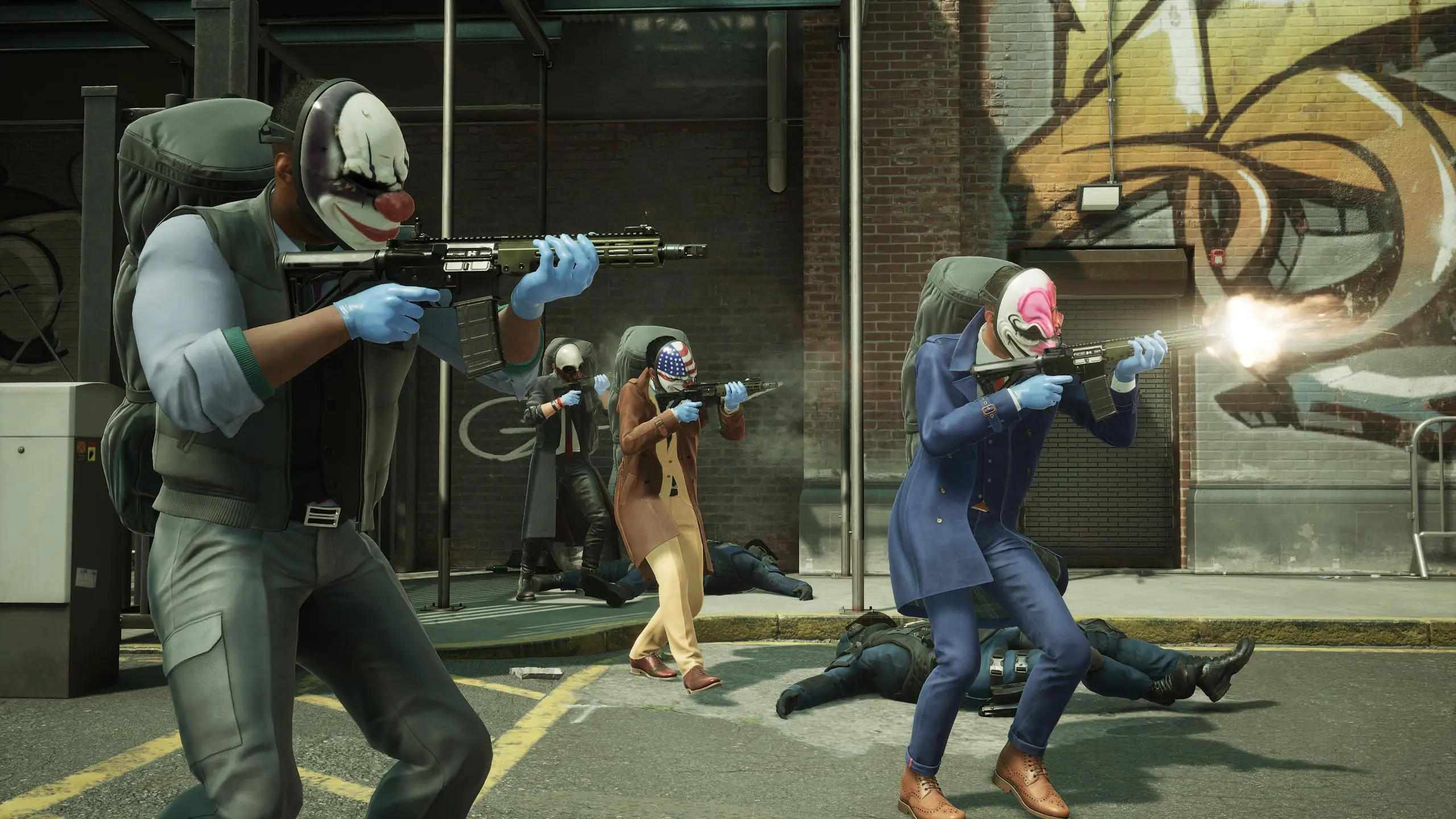
Payday 3 (2023) walked straight into the same trap. Always-online multiplayer game, server collapse at launch, matchmaking in chaos for days. By that point, it felt almost absurd. The industry had been watching this pattern for over a decade and still couldn't get the infrastructure right.
Helldivers 2 (2024) is a slightly different case. The launch disaster there wasn't negligence, it was runaway success. The game sold far beyond any reasonable projection, and the servers simply couldn't handle the numbers. Capacity caps and login issues dominated the headlines for a while. A good problem to have, technically. Still a miserable experience for players who couldn't get in.
The Ones That Survived (Barely)
Some games launched badly enough that they probably should have died, but didn't.
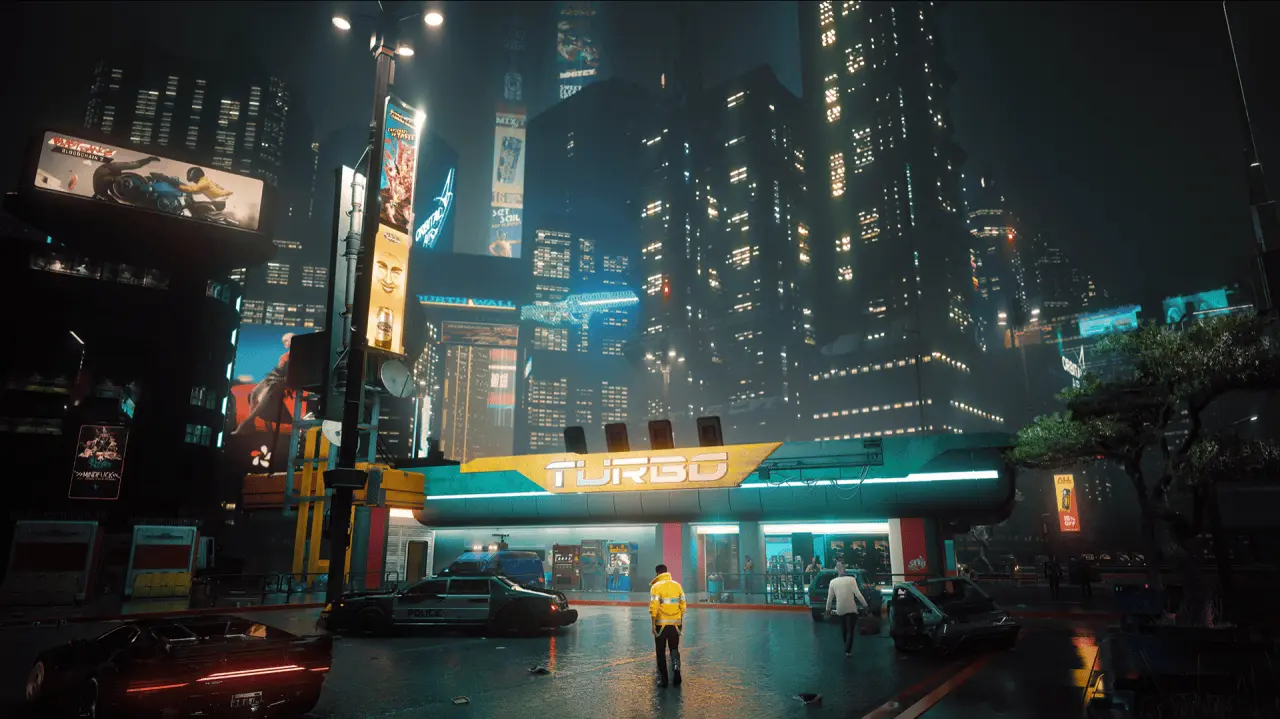
Cyberpunk 2077 (2020) is the most obvious one. CD Projekt Red spent years building extraordinary hype for the game, and the PC version was genuinely impressive at launch. The console versions, particularly last-gen, were a different story entirely. The performance was so poor that Sony took the almost-unprecedented step of removing it from the PlayStation Store and offering refunds. The backlash was enormous. The game took roughly two years of patches and the Phantom Liberty expansion to earn back most of the goodwill it had spent. It's a very good game now. The launch, though, set a benchmark for how badly technical debt and platform performance problems can override everything else.
No Man's Sky (2016) is still the defining "expectation gap" story. Hello Games, a tiny studio, had made enormous promises in interviews and trailers. The shipped game was missing features players had specifically been told would be there. The backlash was severe and, at the time, seemed potentially fatal. What followed was years of free updates, one after another, slowly adding what was missing and then some. Hello Games never really commented much. They just kept building. The game's reputation today is almost the polar opposite of where it was in 2016. It's the redemption arc that every struggling live-service studio points to, even though most of them don't have the patience or resources to actually replicate it.
Final Fantasy XIV (2010) went further than any other game on this list. Square Enix launched the original version to crushing reviews, poor reception, and an exodus of players. Rather than patch their way out, they did something extraordinary: they shut the game down entirely, rebuilt it from the ground up, and relaunched it in 2013 as Final Fantasy XIV: A Realm Reborn. It's now one of the most successful MMOs in the world. That level of commitment to fixing a disaster is genuinely rare.
Grand Theft Auto Online (2013) launched with connectivity chaos, lost character data, and progress that simply disappeared. Rockstar's servers couldn't handle the demand. Players were furious. And then, over time, it became one of the most financially successful online games in history. The underlying product was strong enough to outlast the launch. Most aren't.
When the Gameplay Was Fine But Everything Else Wasn't
Battlefield 2042 (2021) didn't just launch with bugs. It launched without features that Battlefield players had considered standard for years. No scoreboard. Specialists instead of classes. Changes to the formula that felt less like evolution and more like the team hadn't played the previous games. The frustration wasn't just "this is broken" it was "this isn't Battlefield." That identity failure is arguably harder to recover from than bugs, because bugs get fixed. Trust in a franchise's direction takes much longer to rebuild.
Fallout 76 (2018) arrived with technical problems and then made things considerably worse with a PR disaster that had nothing to do with the game itself. The collector's edition included a canvas bag in promotional materials. Buyers received a cheap nylon bag instead. Bethesda's initial response offered in-game currency as compensation. The fallout (sorry) was significant. It's a good example of how PR mistakes stack with technical problems and turn a rough launch into a catastrophe.
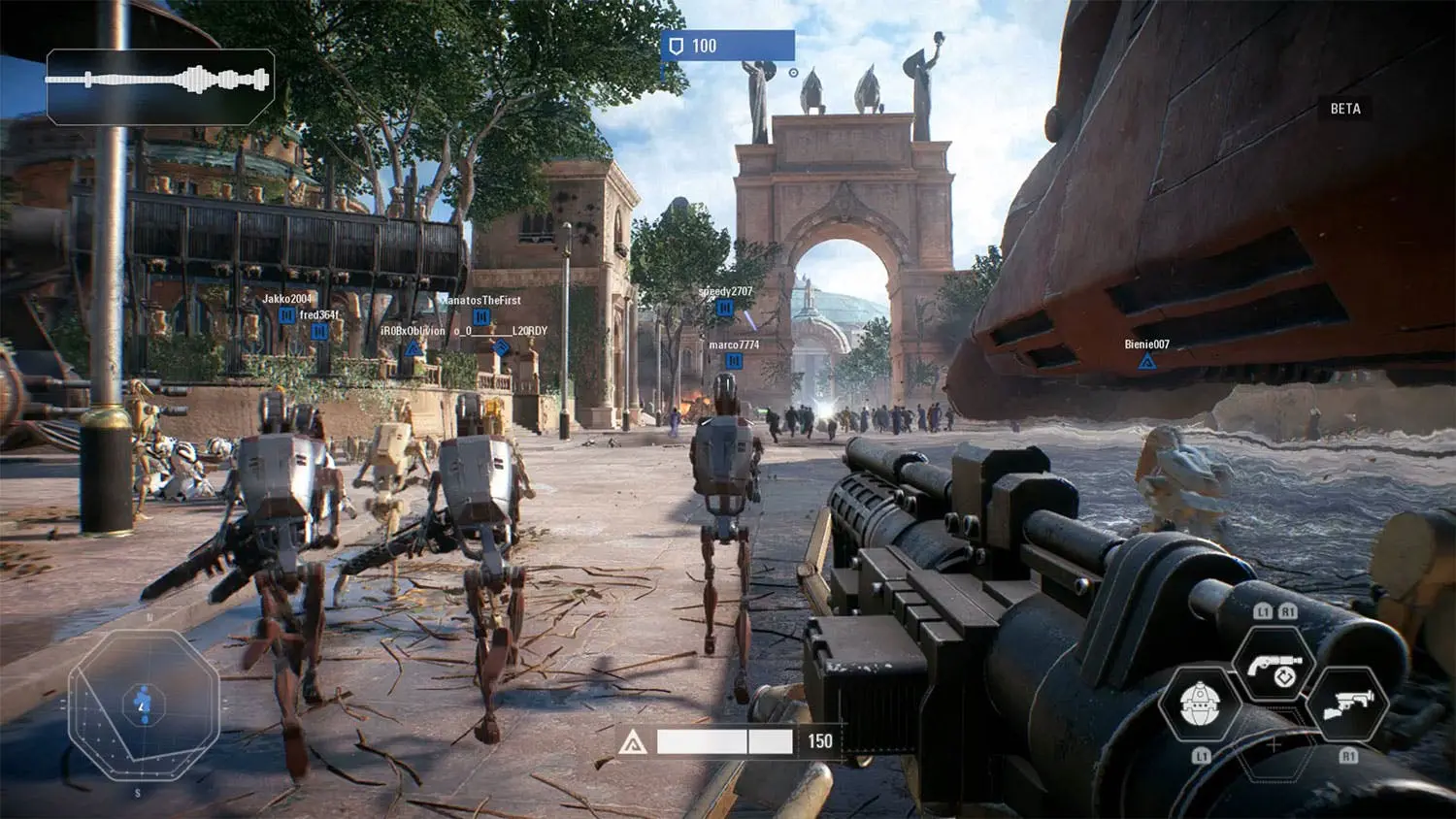
Star Wars Battlefront II (2017) is the most important entry on this list from a wider industry perspective. EA's loot box system was so aggressive, so clearly pay-to-win in its structure, that the backlash went mainstream. Gaming websites covered it. Non-gaming press covered it. Belgian and other European regulators started paying attention to loot box mechanics. EA pulled the microtransactions just before release. The game shipped in a fundamentally altered state because of player pressure. It's the moment when the conversation about monetisation and "progression integrity" genuinely changed.
Warcraft III: Reforged (2020) is a warning specifically for remasters. Blizzard promised significant improvements to the classic RTS, showed enhanced cinematics and visuals, then shipped something that many felt fell well short of those promises. Features from the original game were missing or changed. The original version was effectively replaced. Blizzard apologised and offered refunds. It remains an example of a studio misunderstanding what players actually want from a remaster, which is usually closer to "preserve what made this great" than "reinvent it."
The One They Actually Pulled From Sale
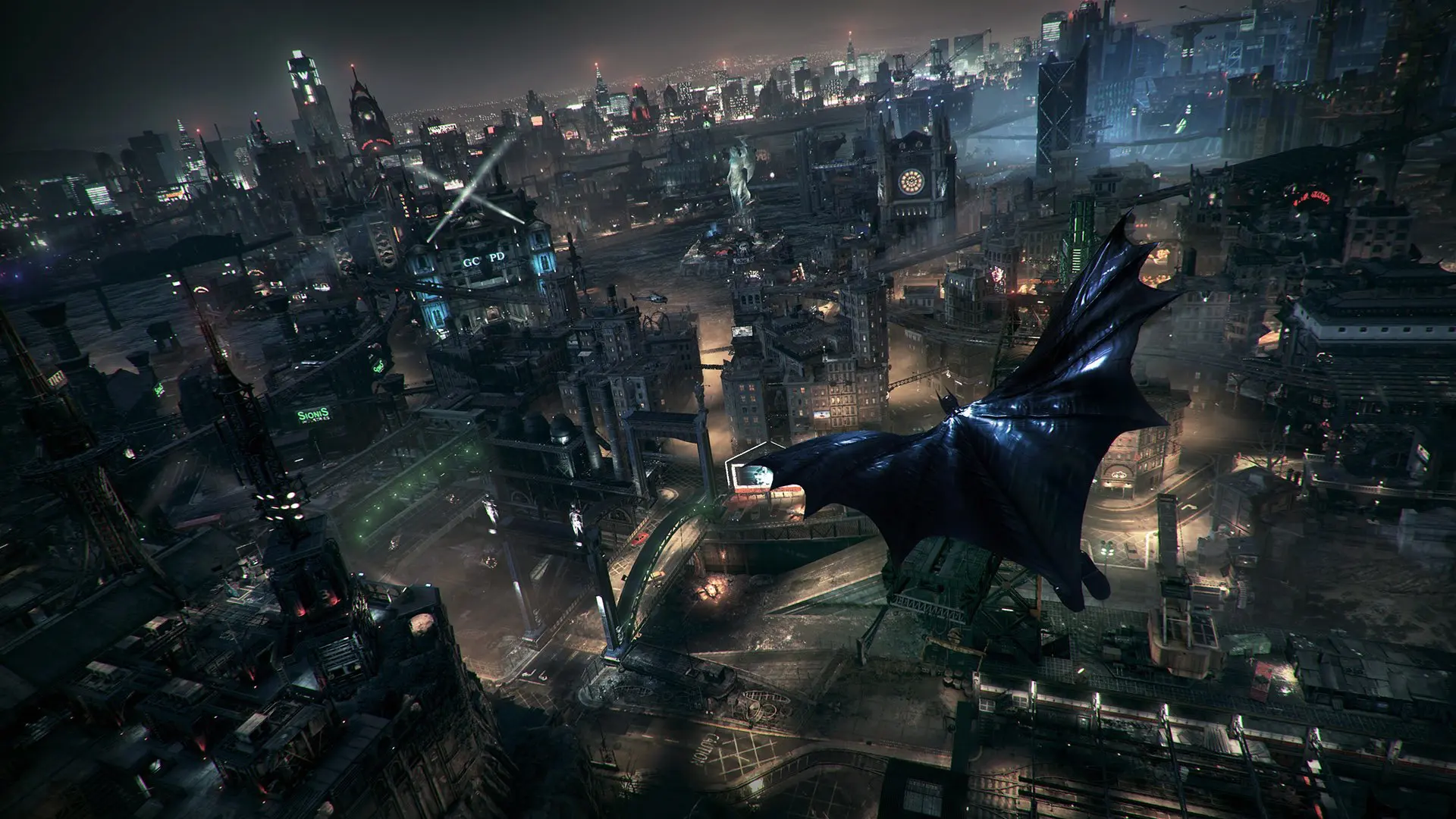
Batman: Arkham Knight on PC (2015) is the gold standard for catastrophic PC ports. The console versions were fine. The PC version was so broken, with such serious performance problems, that Warner Bros. pulled it from sale entirely and suspended digital purchases. Refunds were offered. It took months before the game returned in a state approaching acceptable. Whenever a console-first game gets a suspect PC release, Arkham Knight is the first thing that gets brought up.
The Full Lifecycle Failure
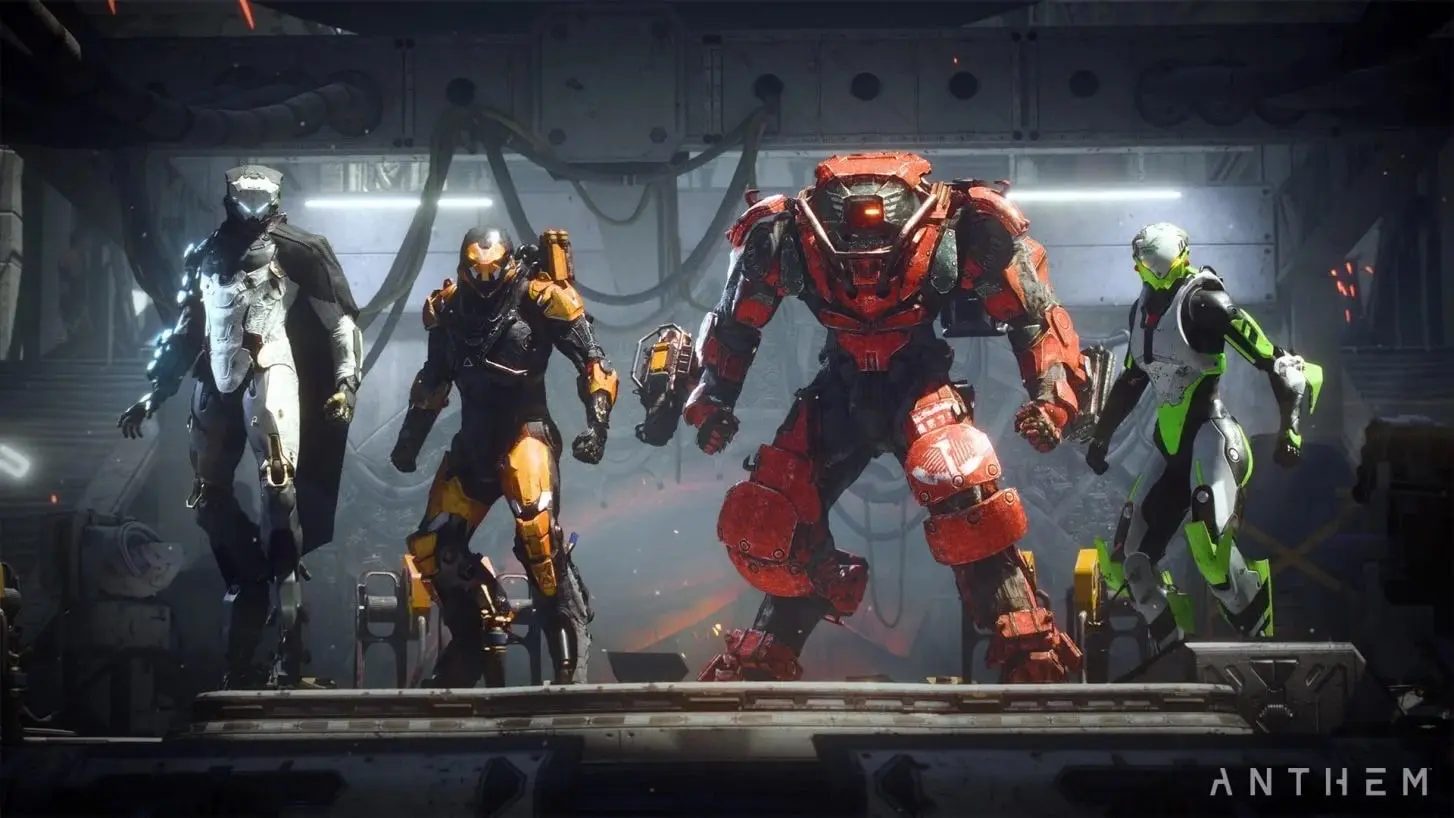
Anthem (2019-2026) is the only game on this list with a clean ending, and it's the bleakest one. BioWare's co-op shooter launched to mixed reviews, with players frustrated by thin content, a repetitive loop, and a sense that the game wasn't finished. The flying felt spectacular. Everything else felt hollow.
BioWare announced a major overhaul in 2020, internally called Anthem Next, which was then cancelled in 2021 as resources shifted to Dragon Age: The Veilguard and the next Mass Effect. The servers kept running. Then, on January 12, 2026, EA shut the servers down permanently, leaving the online-only game completely unplayable.
After the shutdown, former BioWare executive producer Mark Darrah revealed that Anthem actually had code for local servers and private server support running in development right up until a few months before launch. That code still exists. It just wasn't used. There's a version of events where Anthem can still be played. Instead, it's gone.
The game is a full case study in everything that can go wrong: a troubled development, a launch that didn't deliver, a failed recovery attempt, and a final shutdown that took the product away entirely from everyone who bought it.
What Keeps Going Wrong
The patterns here aren't subtle. Server capacity failures at launch are entirely predictable, and yet they happen constantly. Always-online design multiplies the risk every single time: if the infrastructure breaks, nothing works, no matter how good the game underneath is.
Hype management turns out to be part of product management. The Day Before and No Man's Sky both demonstrate that when players form expectations based on marketing, that marketing becomes the thing they're actually judging at launch. If reality doesn't match, the backlash feeds itself.
Performance on average hardware matters more than performance on your dev kits. Cyberpunk 2077 proved that last-gen could become the entire story, regardless of how the PC version ran.
And monetisation decisions can kill a technically functional game's launch entirely. Battlefront II shipped running fine and still "failed" in any meaningful public perception sense.
The frustrating part is that none of this is new information. Publishers have watched each other make these exact mistakes for over a decade. Players remember. The next time a live-service game launches with server issues, or an always-online game shuts down and leaves its buyers with nothing, these names will come up again.
They always do.
Related Articles
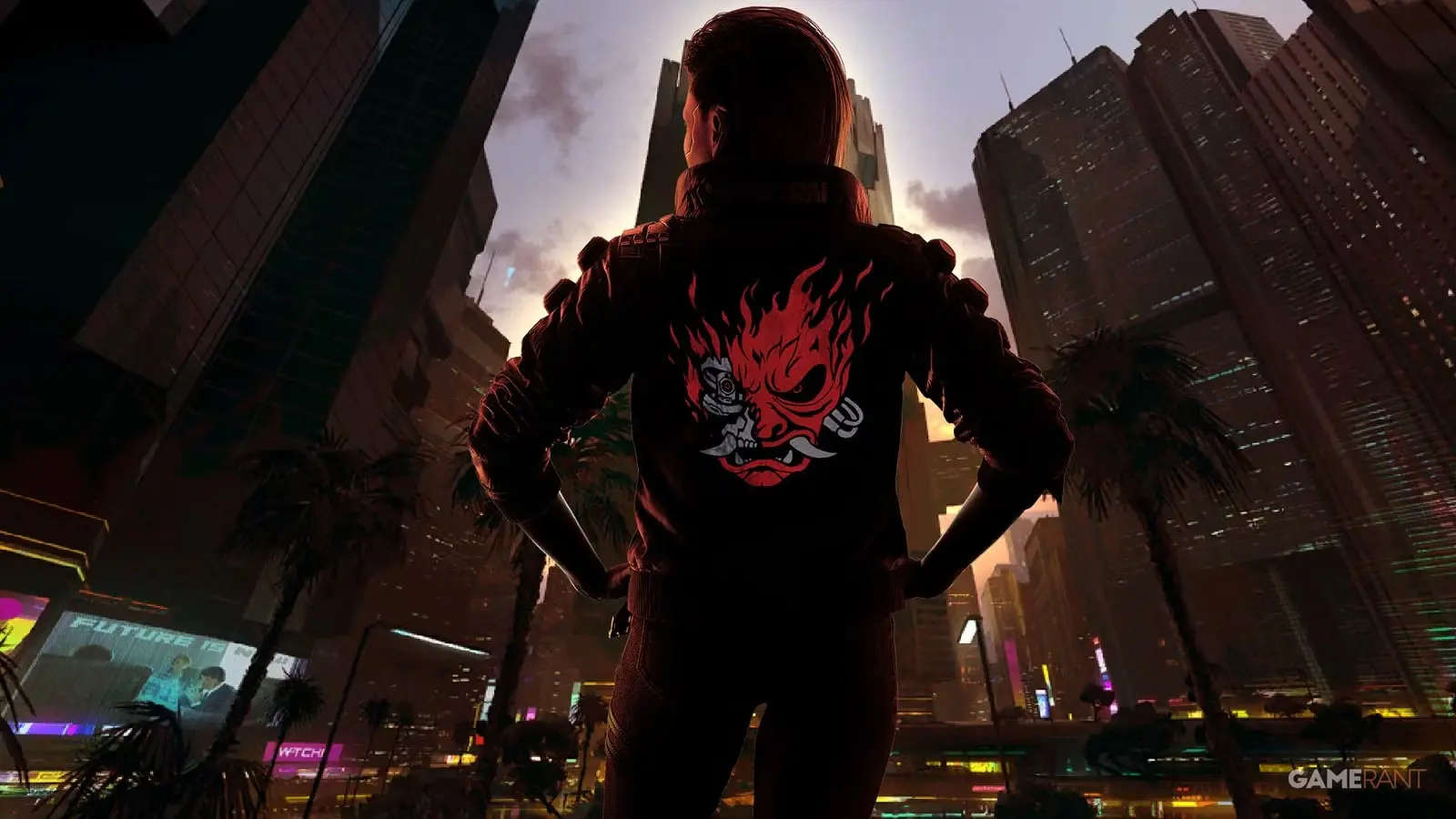
Xbox Game Pass Appears to Be Teasing Cyberpunk 2077 as Its Next Big Addition
Xbox Game Pass has teased Cyberpunk 2077 is coming to the service, dropping hints via a fake internal email loaded with references to CD Projekt's RPG.
1AM Gamer Team
3 March 2026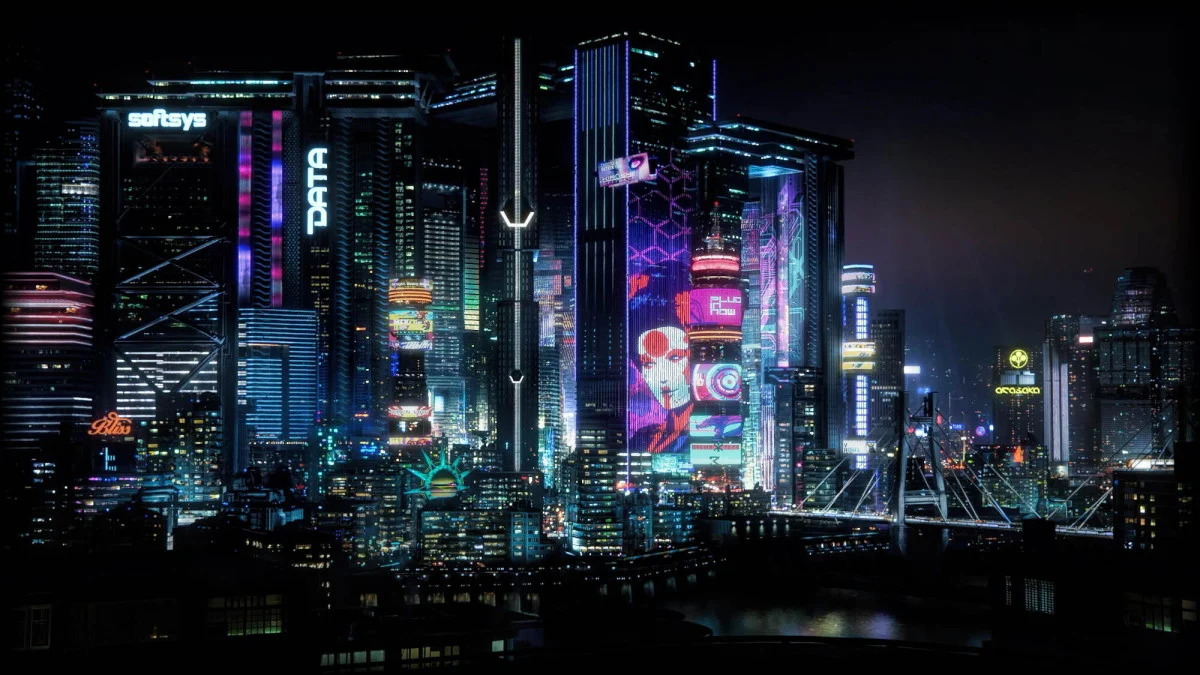
Cyberpunk 2077 Gets Its Long-Awaited PS5 Pro Upgrade Today
Cyberpunk 2077's free PS5 Pro update is live today, bringing PSSR 2 upscaling, BVH8 ray tracing, and three new performance modes including a 90FPS option.
1AM Gamer Team
9 April 2026
CD Projekt Strikes Paid Cyberpunk 2077 VR Mod After Creator Refuses Free Release
Prolific VR modder Luke Ross forced to remove popular Cyberpunk 2077 VR conversion after DMCA takedown over Patreon paywall.
1AM Gamer Team
20 January 2026