Google's Project Genie Spits Out Nintendo Knockoffs, Raising Copyright Alarm

1AM Gamer Team
30 January 2026 19:00 PM GMTGoogle just launched something wild.
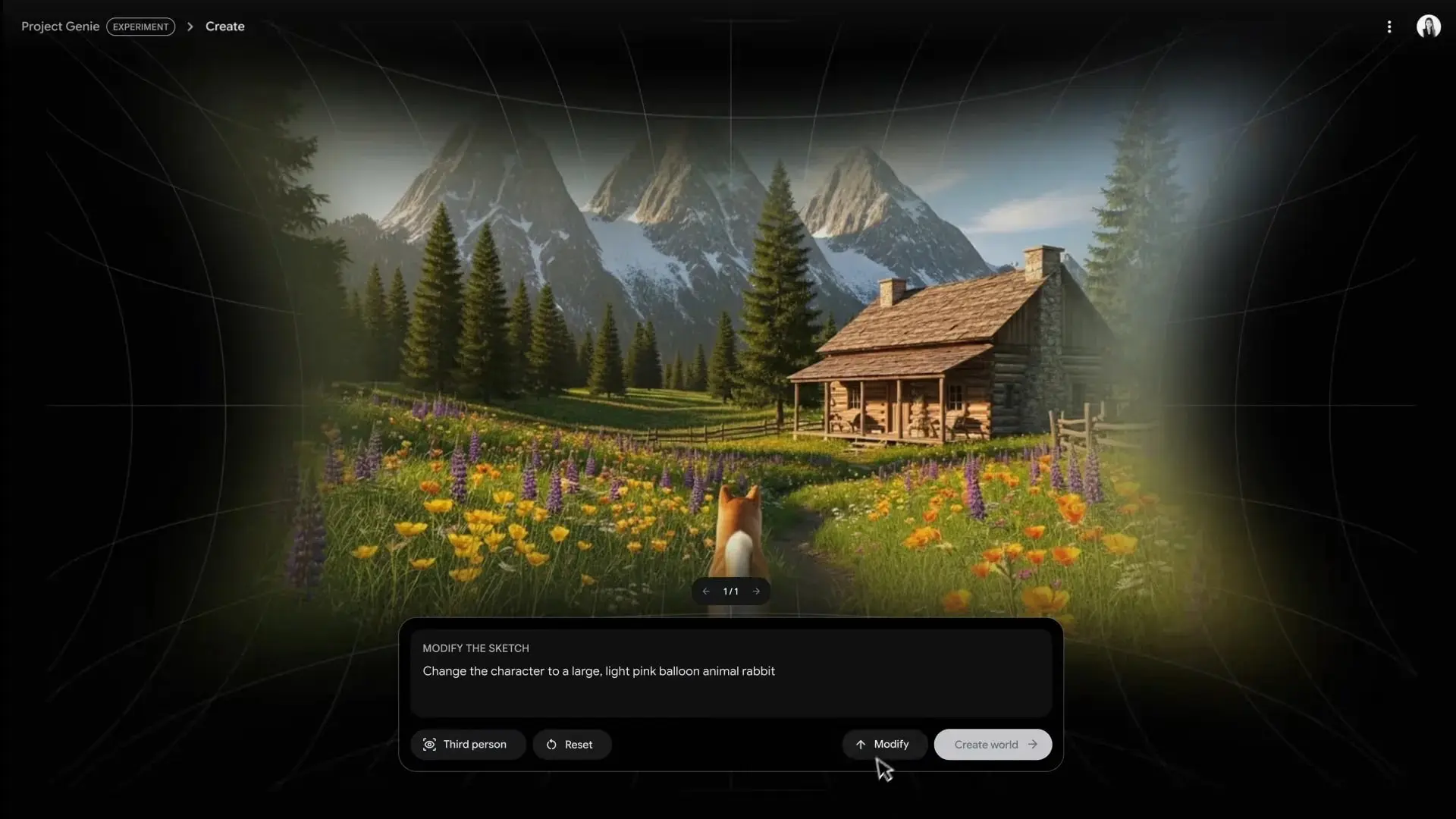
Project Genie hit Google AI Ultra subscribers this week. For £197 monthly, users get to play with an experimental AI tool that generates entire playable worlds from simple text prompts or images. Walking, swimming, flying, the whole deal. Real-time 3D environments you control.
Impressive tech, yeah. But here's where things get messy.
Throwing Nintendo's IP Through the AI Blender
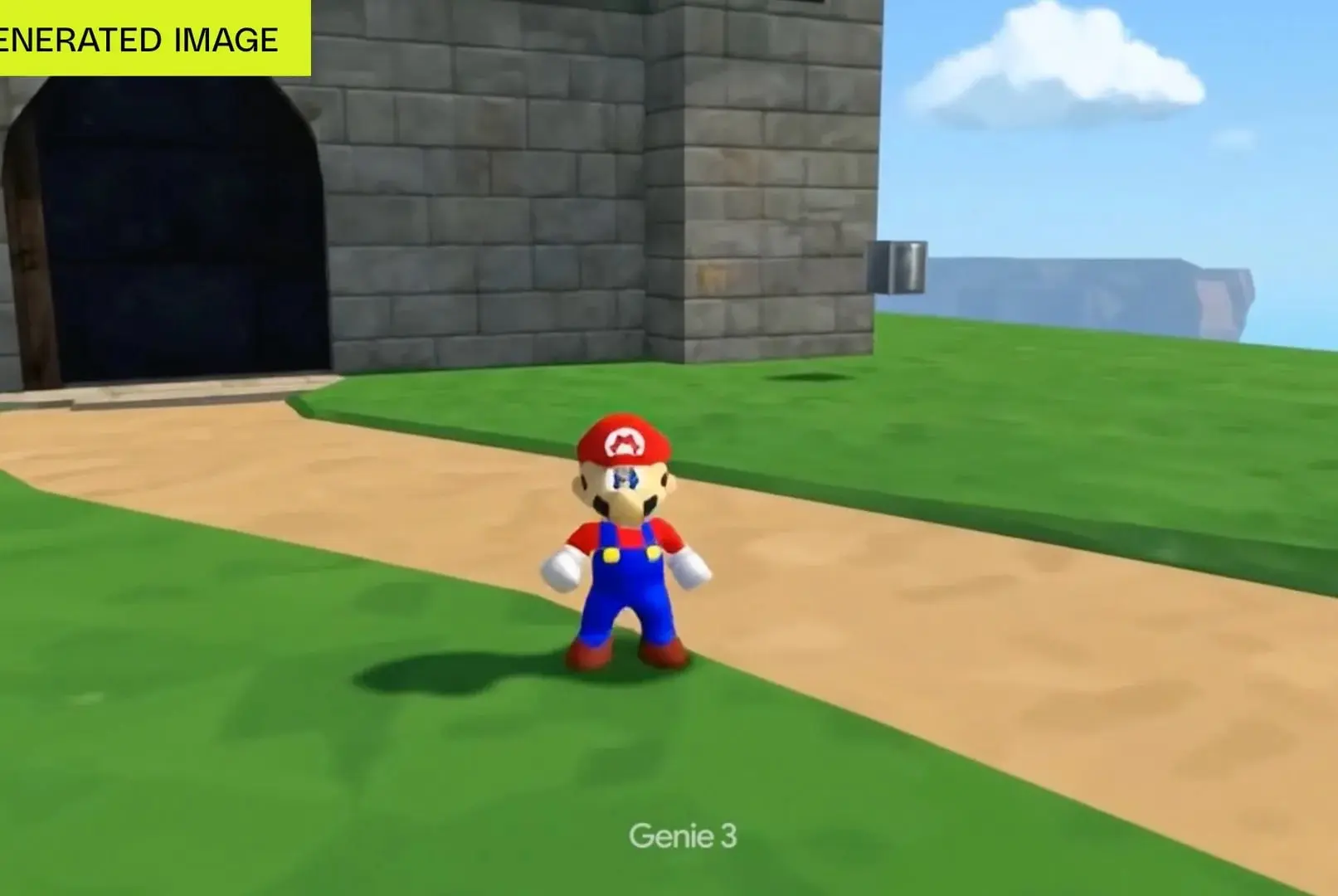
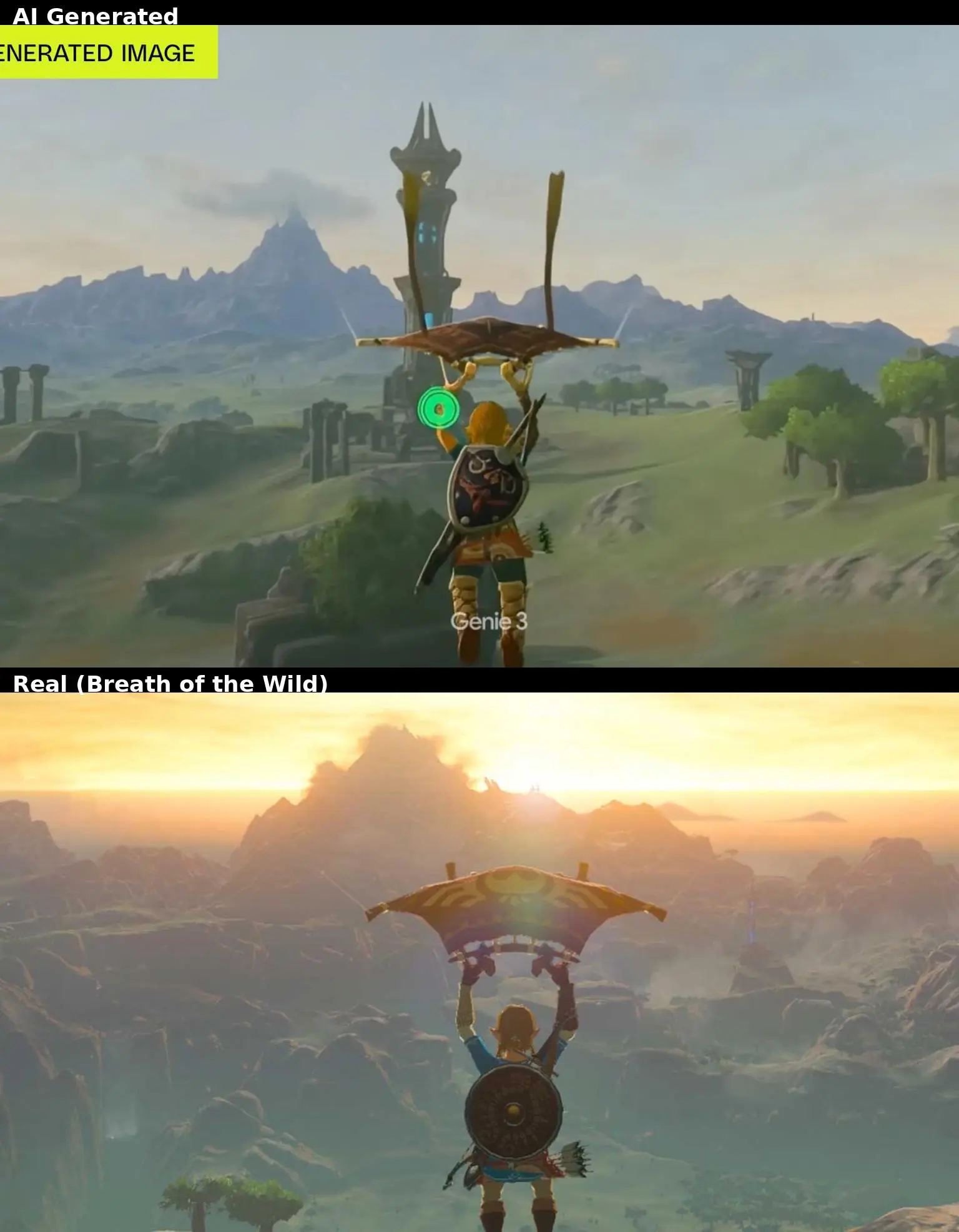
Tests by The Verge showed something troubling. Feed Project Genie screenshots from Super Mario 64, Breath of the Wild, or Metroid Prime 4? The system churns out playable knockoffs that look suspiciously close to the originals.
Not just static images, mind you. These are interactive 3D spaces. You run around in them. Jump on platforms. Explore landscapes that scream "Nintendo" from every polygonal corner.
The tool didn't blink. No copyright warnings. No blocks. Just generated worlds that look like they've been ripped straight from Nintendo's vault and run through an AI filter.
Where Google Drew the Line (Sort Of)
Kingdom Hearts attempts got blocked. Users who tried creating worlds inspired by the Disney-Square Enix crossover hit a wall labelled "interests of third-party content providers."
Mario-related prompts got blocked later, after journalists had already created their test environments. Google product manager Diego Rivas gave the standard response when pressed about copyrighted material: "Project Genie is an experimental research prototype designed to follow prompts a user provides. As with all experiments, we are monitoring closely and listening to user feedback."
Translation? They launched first, asked questions later.
The Training Data Nobody Talks About
Google admits Genie 3 (the model powering Project Genie) was trained "primarily on publicly available data from the web". That's corporate speak for "we scraped everything we found online."
Including, presumably, countless Nintendo screenshots, gameplay footage, and fan art scattered across the internet.
The Register notes the system generates frames "auto-regressively", meaning worlds appear in real-time as you move, maintaining consistency for several minutes. Clever engineering. Questionable legal foundation.
Nintendo's Track Record Says This Won't Slide
Anyone who's followed Nintendo for more than five minutes knows where this heads.
The company killed fan projects faster than Mario grabs a power-up. Full Screen Mario? Gone. Super Mario 64 Online? Taken down. AM2R? Nuked from orbit.
These were passion projects from fans who loved Nintendo's games. Project Genie? That's a £197-monthly service from one of the world's biggest tech companies. Nintendo's intellectual property protection has been fierce since the 1980s. They've fought everyone from Universal Pictures to small fan creators.
Google's sitting in a much bigger target zone.
The Tech Itself Works (Too Well)
Put aside copyright drama for a moment. The technology behind Project Genie represents something genuinely new in AI.
Users can describe characters, define camera perspective, first-person, third-person or isometric, and choose how to explore the world before Genie 3 generates environments in real-time. The system runs at 20-24 frames per second at 720p resolution.
Sessions max out at 60 seconds. The Register reports the underlying Genie 3 model handles longer stretches, but Google limited the public prototype. Smart move, given how quickly this turned controversial.
Input lag makes everything feel slightly sluggish. One Verge reporter noted: "While they made me laugh, the worlds don't have scores or anything to strive for, so there's nothing to do but walk or jump around. Even if there were specific things to do, the input lag made the worlds basically unplayable."
More Than Just Nintendo
Project Genie doesn't limit itself to Nintendo's catalogue. Social media clips show Grand Theft Auto-style environments appearing just as easily. Give the system a screenshot from any popular game, and chances are decent you'll get a playable approximation back.
This raises questions beyond just Nintendo's legal team. Every major publisher now faces the same issue: their IP getting fed into AI systems trained on scraped web data, then spit back out as £197 monthly subscription content.
What Happens Next
Google's playing the "experimental prototype" card. Fair enough. But launching a paid service (even at the premium £197 tier) that reproduces recognisable game worlds without clear copyright protections? That's asking for legal trouble.
Nintendo rarely telegraphs their moves before striking. Expect cease-and-desist letters. DMCA takedowns. Possibly bigger legal action if Google doesn't implement proper content filters fast.
NME reports that last year, Nintendo promised "necessary action" over AI copyright infringement after spoof videos created using OpenAI's Sora surfaced online. They're already watching this space.
Project Genie currently only works for Google AI Ultra subscribers in the US aged 18 or older. Google plans to expand territories eventually. Whether Nintendo lets that happen remains the real question.
The technology's impressive. The copyright implications are messy. And Nintendo's lawyers are probably already drafting their first letters.
This story's just getting started.
Related Articles

Gaming Stocks Crash After Google Genie Launch Shows Investors Don't Understand AI
Unity dropped 24% and Take-Two fell 8% after Google unveiled Project Genie, an AI tool that creates virtual worlds. One problem: it's not a game engine.
1AM Gamer Team
1 February 2026
Nintendo Fires DMCA Blitz at Switch Emulators on GitHub, Targets Every Major Project
Nintendo sent sweeping DMCA takedown notices to nearly every Switch emulator repository on GitHub, including Citron, Eden, and MeloNX.
1AM Gamer Team
16 February 2026
Japan's Foreign Minister Calls Out White House for Using Wii Sports in Pro-War Post
Japan's Foreign Affairs Minister Toshimitsu Motegi has publicly criticised the White House for using Nintendo's Wii Sports footage without permission in a pro-war social media post.
1AM Gamer Team
18 April 2026