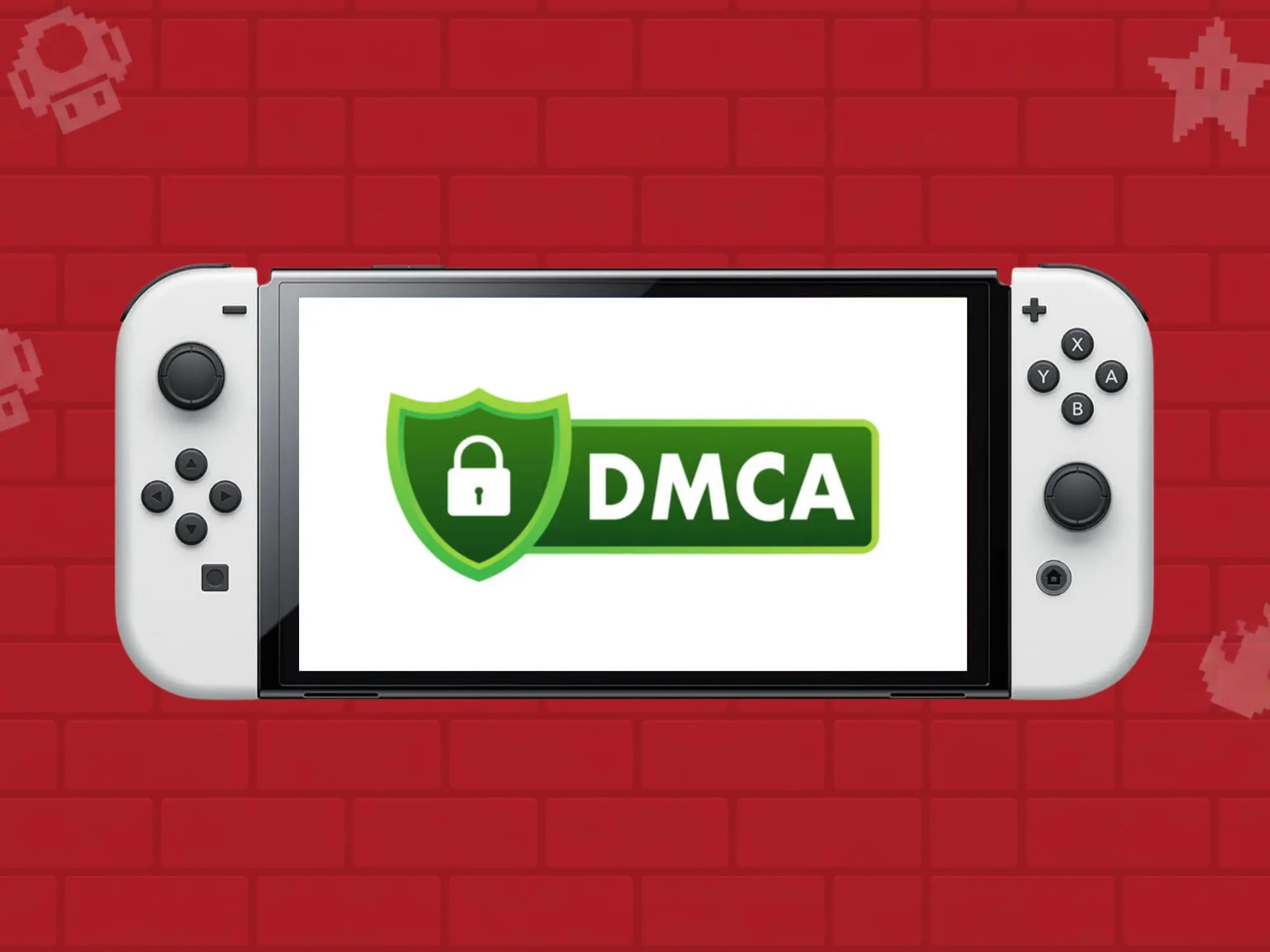
Nintendo Fires DMCA Blitz at Switch Emulators on GitHub, Targets Every Major Project

1AM Gamer Team
16 February 2026 10:00 AM GMTNintendo unleashed another wave of legal strikes against the Switch emulation scene this week. The gaming giant hit nearly every active Switch emulator repository hosted on GitHub with DMCA takedown notices, marking its most aggressive crackdown yet.
Reports confirmed that Eden, Citron, Kenji-NX, and MeloNX received takedown notices . Even dormant projects like Sudachi and Skyline found themselves in Nintendo's crosshairs . The wide-reaching assault differs from previous targeted actions against individual emulators.
GitHub's standard DMCA process gives repository owners a brief window to respond. Most affected projects remained online as of this writing, but their future looks grim. The notice described copyrighted works as the Switch console ecosystem and protected game software, specifically referencing titles like Mario Kart 8 Deluxe, Animal Crossing: New Horizons, Super Smash Bros. Ultimate, and The Legend of Zelda: Breath of the Wild .
The company's argument centres on technological protection measures. Nintendo stated these projects unlawfully circumvent TPMs by enabling the decryption and execution of unauthorised game copies on non-Switch hardware . Federal court judgments supposedly back their position that distributing software designed to decrypt Switch games violates the DMCA.
Why Now?
This assault follows a well-established pattern. Back in March 2024, Nintendo sued Tropic Haze LLC, developer of the Yuzu emulator, resulting in a 2.4 million dollar settlement and permanent shutdown . Then came Ryujinx's turn. In October 2024, Nintendo contacted Ryujinx creator gdkchan and offered an agreement to stop working on the project . Both emulators vanished.
The breadth of Nintendo's latest DMCA notice signals a coordinated effort to push the scene off a major distribution platform all at once, rather than whack-a-mole individual forks . Previous takedowns created a void that new projects quickly filled. This time, Nintendo appears determined to sweep the board clean.
Some developers saw this coming. Several affected projects had removed features to distance themselves from Yuzu's earlier legal troubles . Citron, Ryubing, and Eden had stripped functionality to avoid direct association with previously litigated emulator practices . Didn't matter. One Eden developer noted the takedown language appears largely copy-pasted from earlier actions, focusing on DRM circumvention and TPM violations .
The emulation community isn't completely defenceless. Citron and Eden duplicated their repositories on private servers , meaning they'll continue to exist somewhere. However, their removal from GitHub makes them harder for users to find . Discovery matters, especially for projects that rely on community contributions and bug reports.
The Switch 2 Factor
Timing seems significant here. Industry observers believe Nintendo's real concern isn't Switch 1 emulation, but preventing advanced emulators that could run Switch 2 games . By taking down existing Switch emulators, they slow down improvements that could be built on top of them .
Early Switch 2 emulation projects already exist, though they're nowhere near functional. Developers behind the early-stage emulator Pound stated it could take a decade minimum to create a functional emulator . Nintendo designed the Switch 2 with far more robust protections that obstruct reverse engineering .
This represents a stark contrast to the original Switch. Functional emulators like Yuzu and Ryujinx emerged within roughly a year of the console's 2017 launch. The new security measures appear to be working.
What Happens Next?
Key questions now revolve around process and persistence . Will GitHub remove repositories outright? Will any maintainers file counter-notices to force a legal test? Will Nintendo escalate with new lawsuits against specific teams?
Legal precedent around emulation remains murky. Courts previously recognised the legality of independently developed emulators, as seen in historical cases involving PlayStation emulators . What remains unsettled is how anti-circumvention rules apply to modern consoles with deeply integrated cryptographic systems .
The Yuzu settlement didn't establish clear legal precedent because it ended before trial. The earlier case didn't lead to a clear court decision about whether emulation itself is legal, leaving the issue unclear from a legal standpoint .
For emulation enthusiasts, the message is clear. The immediate effect is clear: visibility on the world's largest code platform is in jeopardy . Whether this latest sweep becomes a turning point or just another cycle in a long-running standoff remains to be seen.
History suggests the emulator scene will adapt. Open source projects rarely die completely. But Nintendo's sustained pressure makes development harder, riskier, and less appealing for talented programmers who'd rather not face legal threats.
The war between console manufacturers and emulation developers stretches back decades. This latest battle shows Nintendo's willing to use every legal tool available to protect its ecosystem. The emulation community, scattered and decentralised, continues to prove resilient. How this round ends will shape preservation efforts for years to come.
Related Articles
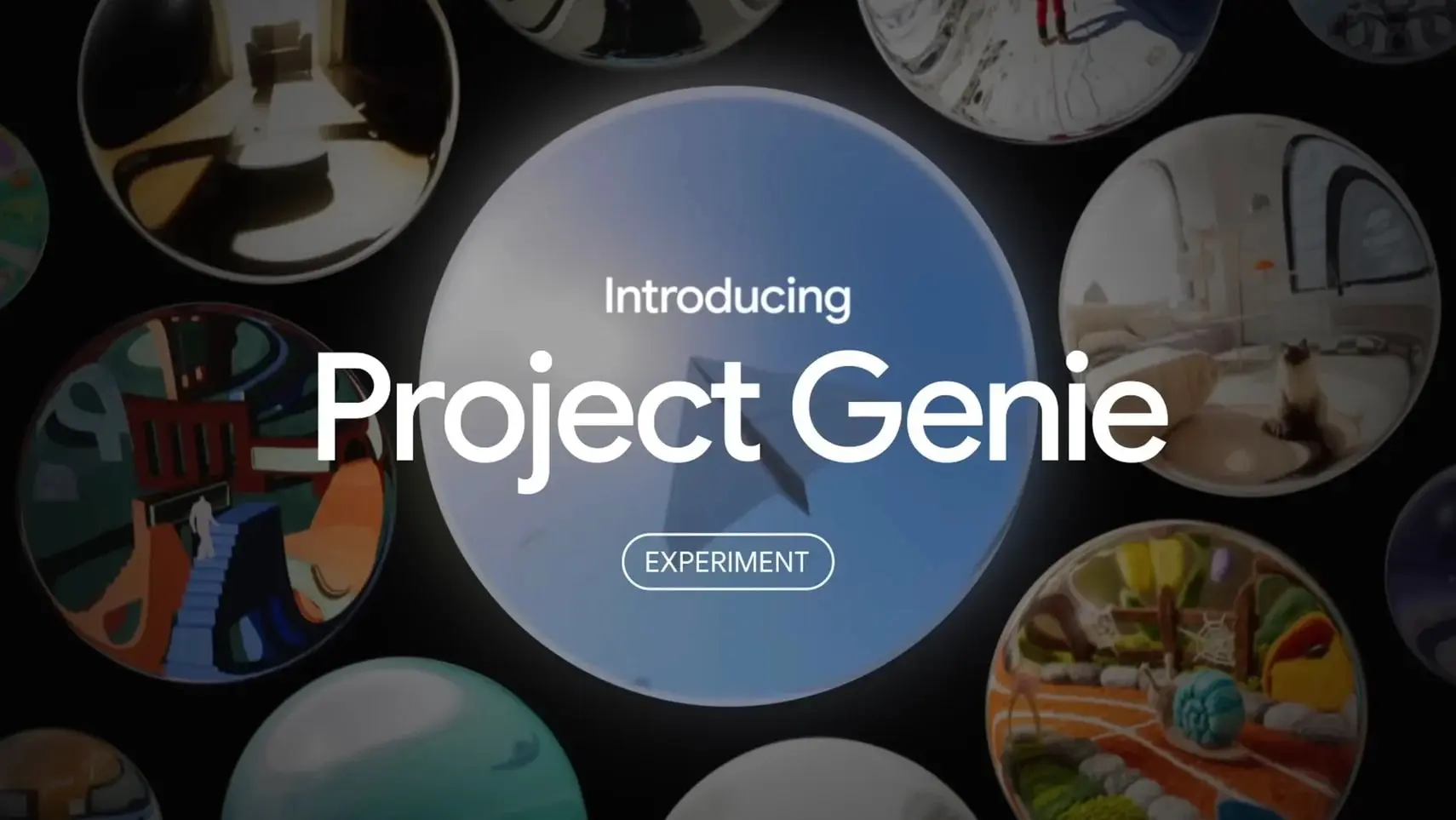
Google's Project Genie Spits Out Nintendo Knockoffs, Raising Copyright Alarm
Google's new AI world generator creates playable environments from prompts, including Mario, Zelda, and Metroid lookalikes. But the tech launched with zero copyright safeguards.
1AM Gamer Team
30 January 2026
Japan's Foreign Minister Calls Out White House for Using Wii Sports in Pro-War Post
Japan's Foreign Affairs Minister Toshimitsu Motegi has publicly criticised the White House for using Nintendo's Wii Sports footage without permission in a pro-war social media post.
1AM Gamer Team
18 April 2026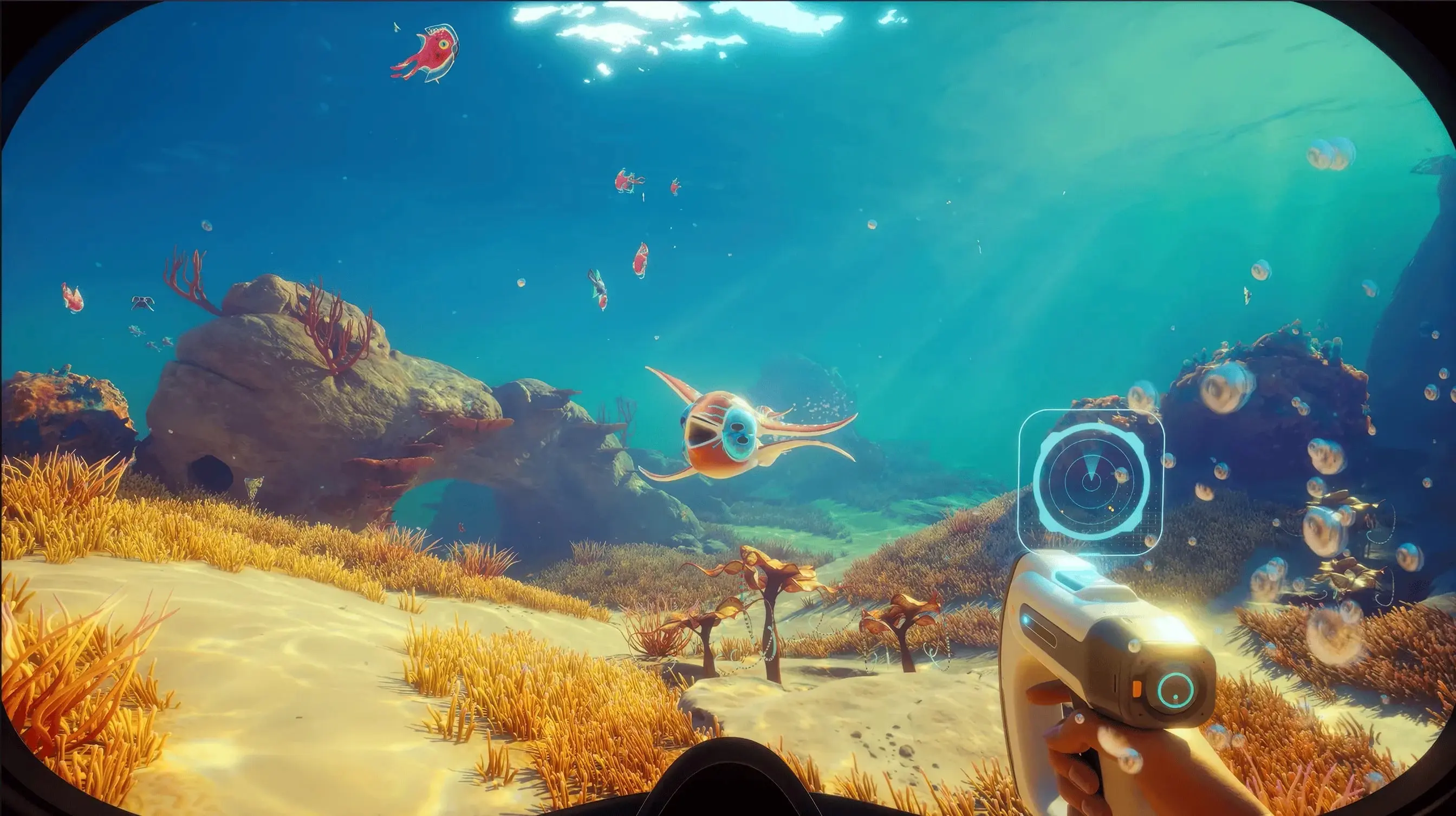
Judge Orders Krafton to Reinstate Subnautica 2 CEO and Extend $250 Million Bonus Window
A Delaware court has ruled against Krafton, ordering it to reinstate Unknown Worlds CEO Ted Gill and extend the $250 million staff bonus deadline to September 2026.
1AM Gamer Team
18 March 2026