RAM Crisis Could Push PS6 and Next Xbox Launch Past 2028

1AM Gamer Team
31 December 2025 18:00 PM GMTYour next console might arrive later than expected. Much later.
Industry insider Tom Henderson dropped confirmation that Sony and Microsoft are actively debating whether to delay the PS6 and next-gen Xbox beyond their expected 2027-2028 launch window. The culprit? A global RAM shortage driven by artificial intelligence companies hoovering up memory supplies at unprecedented rates.
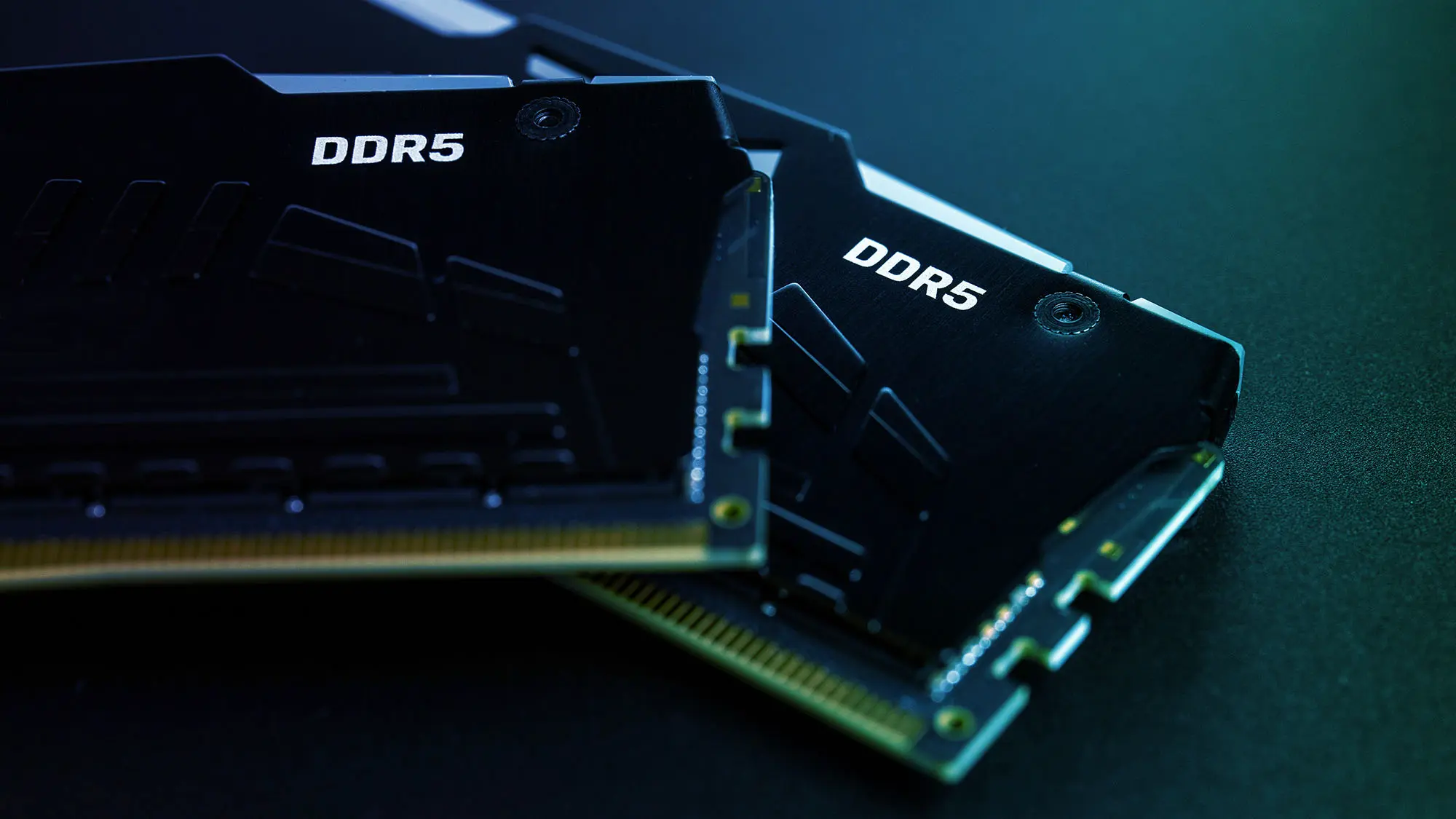
Memory prices have exploded. DDR5 kits that sold for under £95 in mid-2025 now command £184. Some modules jumped from £210 to £650 in months. One tech enthusiast documented ordering 32GB of DDR5 in early November for around £100. Three weeks later, those same sticks listed for £330, a staggering 156% increase.

The numbers tell a brutal story. According to Kingston's warning, component costs have surged 246% since early 2025. DRAM contract prices leaped 15-20% in Q4 2025 alone. Overall DRAM price increases hit 170% in some segments.
Why the sudden chaos?
AI Swallows the World's Memory
Tech giants are building massive data centres to power their AI ambitions. These facilities demand enormous quantities of high-bandwidth memory (HBM) for training and running large language models. A single hyperscale AI data centre houses tens of thousands to hundreds of thousands of GPUs, each requiring up to 180 gigabytes of VRAM.
Multiply that across 1,134 hyperscale data centres globally. The picture becomes clear.
Samsung, SK Hynix, and Micron , the three companies controlling roughly 70% of global DRAM production, have pivoted hard towards AI infrastructure. They're allocating wafer fabrication capacity away from commodity DDR5 used in consumer devices and redirecting it to premium HBM products that command far higher margins.
The shift happened fast. SK Hynix's quarterly revenue surpassed Samsung's in Q2 2025 thanks to HBM demand. The company has already pre-sold its entire 2026 production capacity.
Then came the knockout punch. In early December, Micron announced it would exit the consumer RAM market entirely in 2026. The company, which supplies roughly 30% of consumer memory chips, is now focusing exclusively on AI and enterprise clients. Micron killed its beloved Crucial brand to chase those fatter AI profits.
With Micron gone, only Samsung and SK Hynix remain as major consumer RAM suppliers. Both were caught off guard and their production facilities cannot currently accommodate the resulting market void.
OpenAI's Stargate project alone could demand up to 900,000 HBM wafers monthly by 2029, potentially 40% of current global DRAM output. In October 2025, OpenAI struck preliminary deals with both Samsung and SK Hynix, effectively cornering significant portions of the memory market in what some analysts described as a "surgical strike" on global RAM supply.
Tech companies including Google, Amazon, Microsoft, and Meta have placed open-ended orders with memory suppliers, indicating they'll accept as much supply as available regardless of cost.
Console Makers Face Impossible Choices
Sony and Microsoft traditionally sell consoles at or below cost during the first few years after launch. The strategy aims to establish a large user base quickly, then recoup losses through game sales, subscriptions, and licensing fees.
Phil Spencer previously admitted Microsoft loses between $100-$200 on every Xbox Series X sold at its current retail price.
Now picture that math with RAM prices up 246%.
Henderson's report suggests manufacturers are weighing two grim options. Launch on schedule and absorb devastating losses, or pass those costs to consumers through dramatically higher retail prices. Some estimates suggest the PS6 and next Xbox could debut between £650-£800, possibly reaching £1,000 in certain regions.
Even at those eye-watering prices, manufacturers would still be selling hardware at a loss.
The third option? Delay everything and hope RAM production expands enough to stabilise prices.
Documents seen by tech analyst Moore's Law Is Dead indicate the PS6 was scheduled for manufacturing in mid-2027. Whether the RAM shortage extends that far remains uncertain. The industry is racing to increase output and introduce new manufacturing processes, though shortages in 2026 now appear inevitable.
SK Hynix's internal analysis reveals AI server demand will propel DRAM needs by 24% annually, with market share jumping from 38% in 2025 to 53% by 2030. The International Data Corporation (IDC) states the current memory crisis is expected to last "well into 2027."
New fabrication plants loom on the horizon, Samsung's Texas facility, SK Hynix's Yongin cluster, Micron's Japan plant, but these won't come online until late 2027 or beyond. Initial capacity will be limited when they do launch.
Microsoft finds itself particularly vulnerable. The company already experienced substantial sales declines following earlier price increases. Xbox Series X jumped from £500 to £600 in May 2025, then to £650 in September. Another surge in costs could deliver a devastating blow to its console market performance.
Sony raised the PS5 price from £500 to £550 in August 2025. Leaker Moore's Law Is Dead hinted Microsoft, caught unprepared for the crisis, might hike prices again on current-generation hardware. Sony reportedly stockpiled RAM supplies, providing some cushion against immediate price increases.
Gamers Welcome the Delay
Surprisingly, many players are applauding the potential postponement.
"This delay is a blessing in disguise" one Reddit user wrote. "This console generation has been weak. This extra year or two could be for the better."
Another chimed in: "If there was ever a generation that could use another two years than this would be it. With the PS4 and Xbox One generation you could definitely tell that developers were starting to run into barriers, but this generation still has plenty of room left."
The sentiment reflects a broader frustration. Five years into the current generation, most major releases remain cross-generation titles. True PS5 and Xbox Series X exclusives that push hardware to its limits have been relatively rare. Developers are only now beginning to fully exploit current-generation capabilities.
"This generation of consoles still has lots to give" another player commented. "I struggle to think of any games releasing now that are really struggling to work with the current tech."
The reaction contrasts sharply with previous generation transitions, where players typically clamoured for new hardware. This time, extended console lifecycles seem preferable to rushing into an expensive new generation that may not offer substantial improvements.
What This Means for Gaming
The RAM crisis extends beyond next-generation delays. Current-generation consoles will likely see further price increases as manufacturers exhaust existing memory stockpiles and purchase components at inflated rates.
If you're considering buying a PS5 or Xbox Series X/S, now might be the time. Prices are unlikely to decrease in the near term.
The shortage also affects Valve's Steam Machine, reportedly targeting a Q1 2026 release. Unlike traditional consoles, Valve has no plans to subsidise the device. The Steam Machine will likely reflect full, inflated market costs, similar to standard PC builds.
Dell and Lenovo are already limiting mid-range laptops to 8GB DDR5 RAM in response to rising memory prices. Framework hiked DDR5 memory prices for DIY products. Some laptop OEMs are cutting SSD capacities to keep overall system costs manageable.
The memory market appears locked into what analysts call a "supercycle", a prolonged period where structural demand consistently outpaces supply. Unlike previous semiconductor shortages driven by pandemic disruptions or sudden demand spikes, this crisis stems from a fundamental reallocation of manufacturing capacity towards high-margin AI products.
Previous DRAM cycles followed predictable boom-bust patterns. Oversupply would crash prices, manufacturers would cut production, then demand would eventually absorb excess inventory and the cycle would repeat. The 1995-97 period saw 75% price crashes from overbuilding.
This shortage operates differently. It's supply-constrained by design as manufacturers deliberately prioritise AI infrastructure over consumer products. The technical challenges of producing HBM, requiring roughly twice the wafer area of standard DRAM with yields hovering between 50-60%, create a "yield wall" keeping supply tight.
Inventory levels have plummeted from 31 weeks post-pandemic to just 6-8 weeks by late 2025. Lead times for DDR5 stretched to 20-28 weeks, up from the historical 8-12 weeks.
The Road Ahead
Neither Sony nor Microsoft has officially announced next-generation hardware or confirmed any delays. Both companies have broadly acknowledged future platforms are in development.
The RAM crisis forces an uncomfortable reckoning. Console makers must navigate unprecedented component costs whilst consumer purchasing power remains constrained by inflation and rising costs for essentials like housing and food.
Asking consumers to spend close to £1,000 on a gaming console when previous generations launched around £300-£400 represents a massive psychological barrier, especially when the current generation still has demonstrable headroom.
Some industry watchers suggest Microsoft's rumoured shift towards PC-like Xbox hardware makes sense in this context. Pre-built systems with semi-custom AMD chips could offer flexibility around component sourcing and pricing tiers.
Whether 2029, 2030, or beyond, the next console generation will arrive in a fundamentally different hardware landscape than previous transitions. The AI revolution has reshaped priorities across the semiconductor industry.
For now, your PS5 and Xbox Series X have plenty of life left.
Related Articles
RAM Prices Surge Over 170% Year-Over-Year as AI Boom Drives Global Memory Shortage
RAM prices surge 170% year-over-year as OpenAI reserves 40% of global supply for AI data centers. DDR5 kits doubled from $95 to $184 in months.
1AM Gamer Team
25 November 2025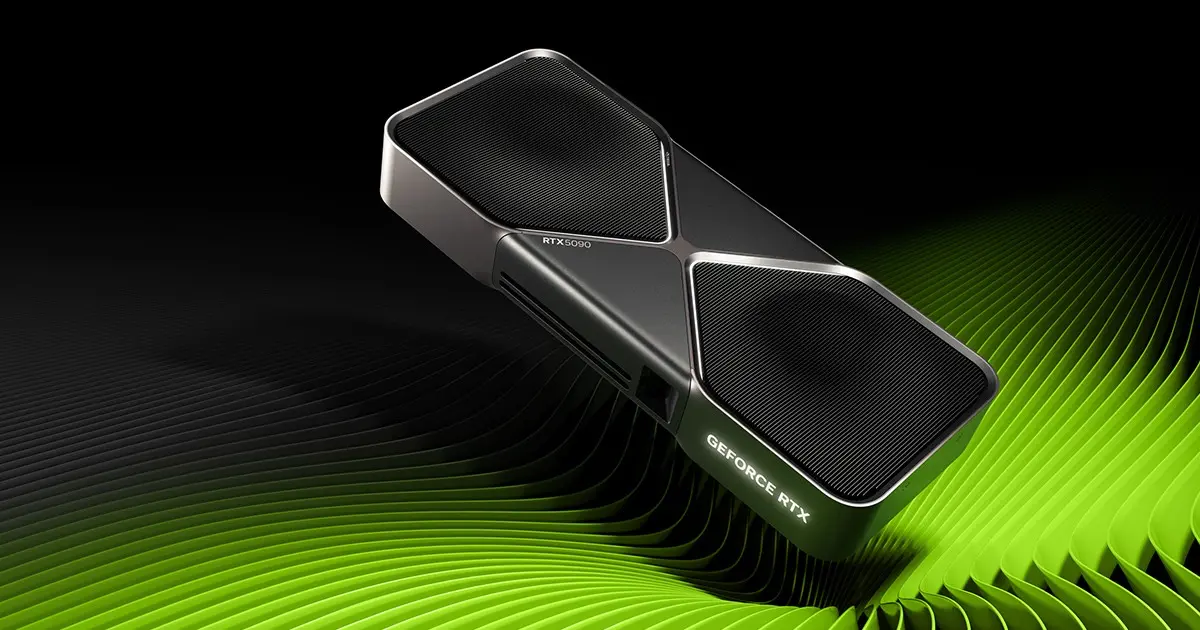
Nvidia RTX 5090 GPU Prices Surge Past £3,000 as Memory Crisis Bites
RTX 5090 prices have doubled from launch MSRP, with reports suggesting they could hit £3,750 by late 2026 as AI demand crushes consumer GPU supply.
1AM Gamer Team
5 January 2026
AMD Ryzen 7 9850X3D Announced: Clock Bump Delivers Modest Gaming Gains
AMD unveils the Ryzen 7 9850X3D at CES 2026, a higher-clocked variant of the 9800X3D targeting gamers willing to pay extra for marginal performance improvements.
1AM Gamer Team
7 January 2026