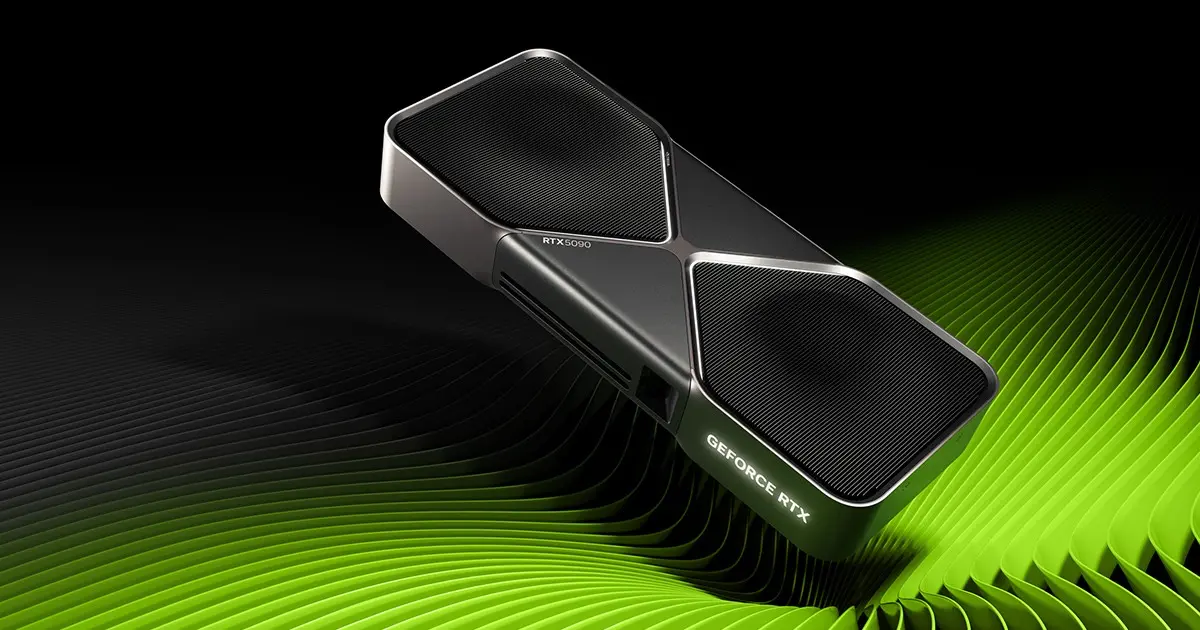
Nvidia RTX 5090 GPU Prices Surge Past £3,000 as Memory Crisis Bites

1AM Gamer Team
5 January 2026 15:00 PM GMTThe dream of building a high-end gaming rig in 2026 just got significantly more expensive. Nvidia's flagship RTX 5090 graphics card has seen retail prices balloon to nearly double its original £1,600 launch price, with some retailers now charging upwards of £3,000 for the card.
Anyone hoping to snag one at the original £1,999 ($1,999) manufacturer's suggested retail price needs to get lucky with Nvidia's Verified Priority Access programme. Good luck with that. The Founders Edition remains listed at MSRR on Nvidia's official store, but stock drops are rare and sell out within minutes.
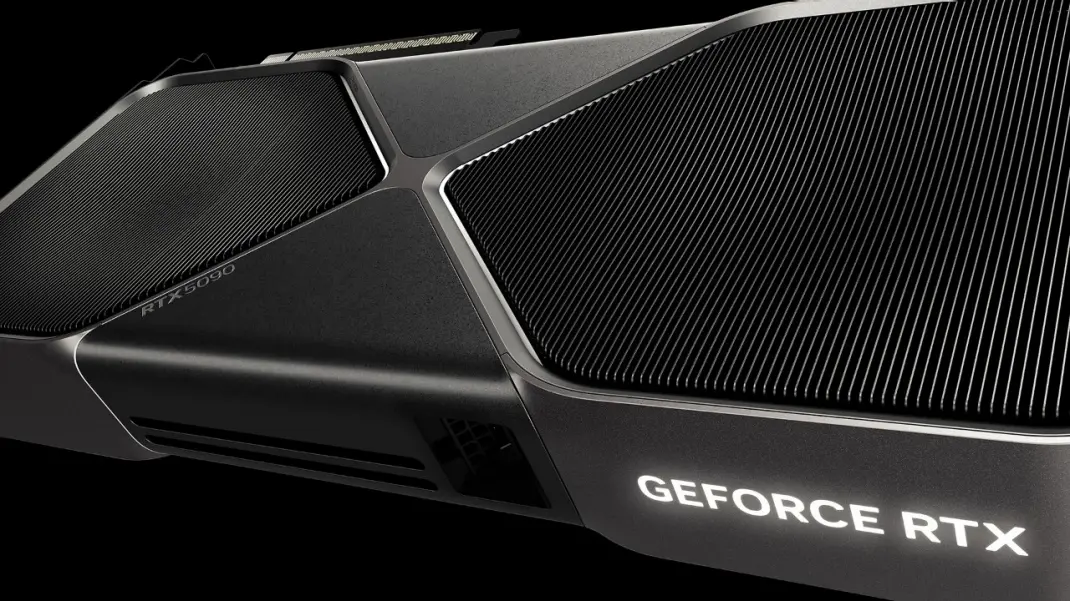
Third-party retailers have wasted zero time pushing prices through the roof. According to VideoCardz, prices now start around £2,400 for add-in-board partner cards, but most in-stock models sit comfortably between £2,800 and £3,200. Amazon Prime members faced a "bargain" TUF model at £2,380. Consider yourself fortunate if you see anything below £2,500.
Where's the stock going? Asian markets. Chinese modders are buying consumer GPUs and converting them into specialised AI workstation cards. Multiple reports confirm blower-style modifications appearing on sites like Taobao, with everything from RTX 5060 Ti through to RTX 5090 getting repurposed for machine learning tasks.
The RAM shortage nobody saw coming
Here's where things get messy. The entire memory market has imploded. DDR5 RAM prices have tripled since May 2025, and GDDR7 memory used in high-end graphics cards faces similar supply constraints. One industry insider claims memory now represents over 80% of total GPU manufacturing costs, up from around 40% just 18 months ago.

Artificial intelligence companies are hoovering up every available memory chip. Data centres need massive amounts of high-bandwidth memory for training large language models and running inference workloads. Manufacturers like Samsung and SK Hynix have diverted production capacity away from consumer products towards more profitable AI-focused memory like HBM3E.
G.Skill issued a blunt statement in late December: "DRAM prices are experiencing significant industry-wide volatility, due to severe global supply constraints and shortages, driven by unprecedented high demand from the AI industry."
The result? Gamers get squeezed out of their own market.
Could RTX 5090 hit £3,750?
South Korean outlet Newsis dropped a bombshell report claiming Nvidia plans to increase RTX 5090 pricing to $5,000 (approximately £3,750) by late 2026. AMD's Radeon RX 9000 series faces similar increases, though reportedly less dramatic.
TrendForce confirms AMD will begin rolling out price increases this month, whilst Nvidia prepares similar moves for February. Both companies face continued monthly price adjustments throughout 2026 as memory contracts renew at higher rates.
Whether Nvidia formally raises the manufacturer's suggested retail price remains unclear. Some analysts suggest the company will simply ignore third-party pricing and let market forces do the work. Retailers have already demonstrated willingness to charge whatever the market will bear.
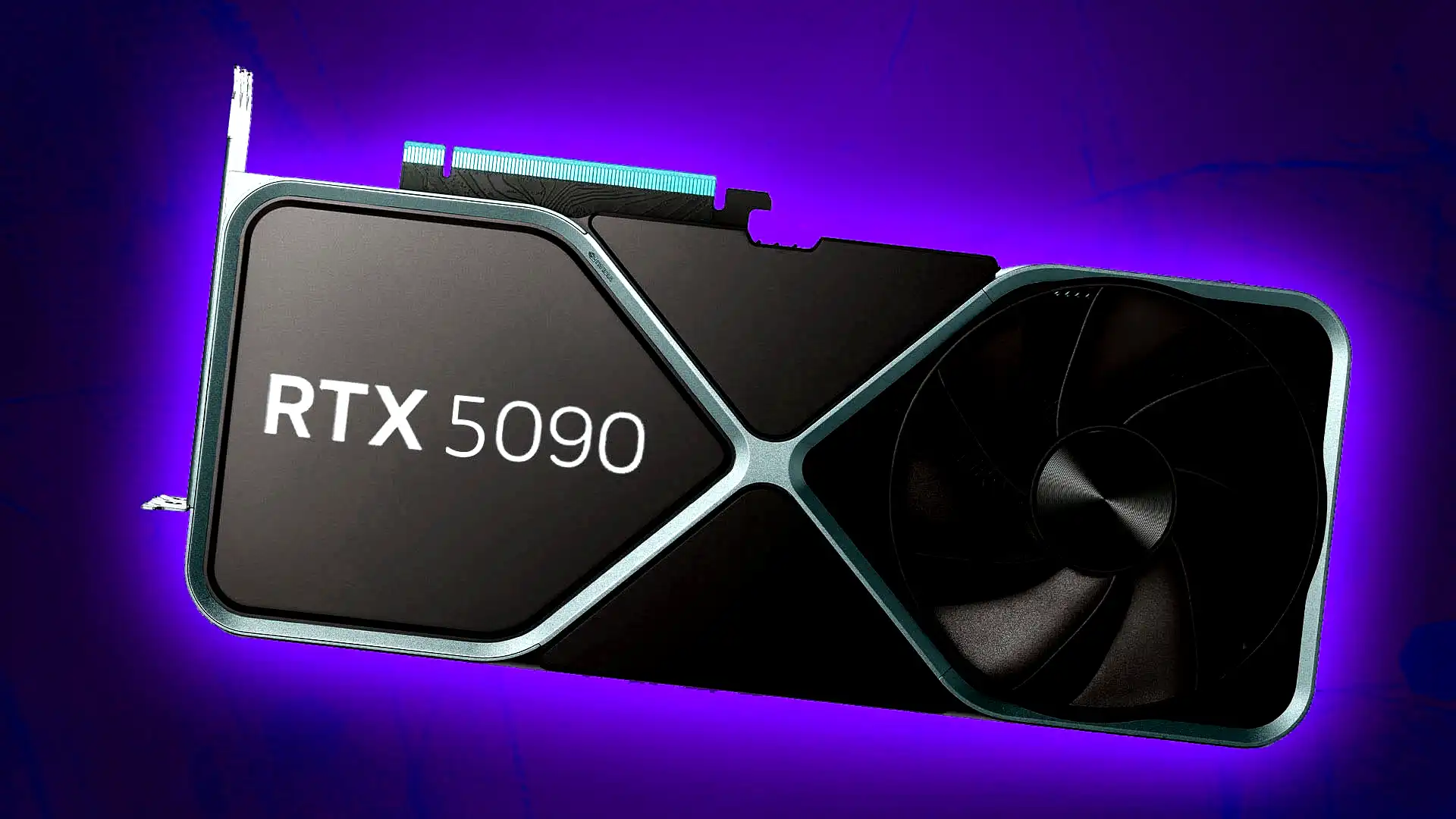
Newegg listed the Founders Edition at £2,780 on New Year's Day. Within hours, that jumped again. The same pattern repeats across Best Buy, Walmart, and other major retailers. Only Microcenter appears to maintain MSRP pricing, exclusively for in-store pickup.
Production cuts compound the crisis
Nvidia reportedly plans to slash consumer GPU production by 30-40% in 2026, prioritising AI accelerators and professional cards over gaming products. The RTX 5070 and RTX 5060 Ti face particular supply constraints, though chip production itself continues normally.
The problem isn't silicon. The problem is memory.
Every GPU requires VRAM. Modern cards like the RTX 5090 pack 32GB of GDDR7, whilst professional AI cards demand even more. When memory costs spiral and supply tightens, something has to give. Consumer gaming takes the hit.
One German retailer claimed it cannot sell RTX 5090, RTX 5080, or RTX 5070 Ti models due to "current market conditions". Translation: stock costs too much to procure, and customers won't pay the asking price.
What does this mean for PC gaming?
Short term? Disaster. Building or upgrading a high-end gaming PC in early 2026 requires either deep pockets or willingness to wait. Some analysts predict memory shortages persisting until 2027-2028, when new fabrication plants come online.
Used market prices for last-generation cards have dropped significantly. The RTX 3080 Ti now sells for around £345, down 64% from original MSRP. RTX 3070 cards hit £165. These represent genuine value for 1440p gaming whilst avoiding the current-generation price insanity.
AMD's last-generation Radeon cards also present alternatives. The RX 6900 XT matches RTX 3080 Ti performance in rasterisation for similar money.
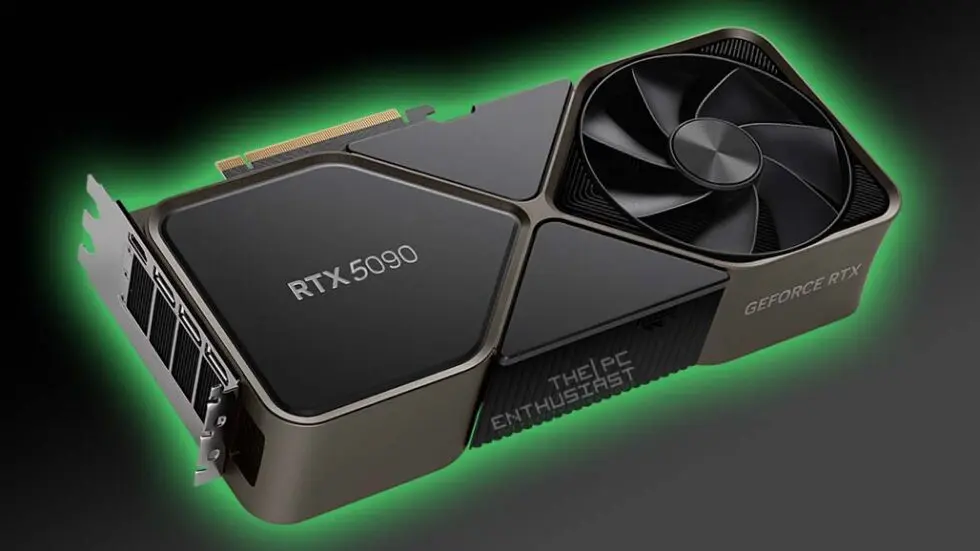
Industry experts suggest buying whatever you need now rather than waiting. Every month brings new price increases as memory contracts renew. Team Group's general manager stated December contract prices for DRAM increased 80-100%, calling this only the start of a "multiyear memory upcycle".
Dell plans to raise PC prices by 15-20% this month. Lenovo warned customers that current pricing expires on 1 January 2026. The ripple effects extend far beyond desktop PCs into laptops, smartphones, tablets, and game consoles.
The AI bubble nobody asked for
Perhaps the most frustrating aspect? Gamers didn't ask for this. Generative AI hype created artificial scarcity in a market that functioned reasonably well for decades. Memory manufacturers chose profitable AI contracts over stable consumer supply chains.
Will prices eventually stabilise? Probably. History suggests memory markets follow boom-bust cycles. Heavy investment creates oversupply, prices crater, investment stops, shortages develop, prices spike. The cycle repeats endlessly.
This time feels different, though. AI companies show zero signs of slowing their infrastructure buildout. Microsoft, Google, Meta, and Amazon continue announcing massive data centre investments. Each facility needs thousands of high-bandwidth memory modules.
Console gaming might emerge as the unlikely winner here. PlayStation 5 and Xbox Series X maintain stable pricing despite component costs rising across the board. Nintendo's next console won't compete directly with high-end PC graphics anyway.
For PC enthusiasts, 2026 looks grim. Nvidia RTX 5090 at £3,000 represents the new normal, not some temporary anomaly. Budget £5,000 for a top-tier gaming build, or settle for mid-range hardware at what used to be flagship prices.
The memory crisis shows no signs of easing. Welcome to gaming in the AI era.
Related Articles
RAM Crisis Could Push PS6 and Next Xbox Launch Past 2028
AI demand drives memory prices sky-high as Sony and Microsoft debate delaying next-gen consoles. Industry insiders confirm talks underway.
1AM Gamer Team
31 December 2025
Samsung Doubles DDR5 RAM Prices by Over 100 Per Cent Amid Memory Crisis
Samsung has raised DDR5 contract pricing by more than 100 per cent, claiming no stock remains. OEMs face sharp cost increases that will impact 2026 devices.
1AM Gamer Team
18 December 2025
AMD Ryzen 7 9850X3D Announced: Clock Bump Delivers Modest Gaming Gains
AMD unveils the Ryzen 7 9850X3D at CES 2026, a higher-clocked variant of the 9800X3D targeting gamers willing to pay extra for marginal performance improvements.
1AM Gamer Team
7 January 2026