
Samsung Doubles DDR5 RAM Prices by Over 100 Per Cent Amid Memory Crisis

1AM Gamer Team
18 December 2025 03:00 AM GMTSamsung just threw petrol on the fire. The South Korean tech giant has reportedly slapped a price increase of over 100 per cent on its DDR5 memory contracts, pushing the cost to nearly $20 per unit. Earlier in the year? Around $7.
According to reports from Taiwanese media shared by industry analyst Jukan on X, Samsung told its customers there's simply "no stock" left. DDR4 hasn't escaped either. Contract pricing for 16GB modules has jumped to approximately $18, meaning last-generation RAM now costs almost the same as DDR5.
This affects everyone. When Samsung hikes contract prices, those costs flow downstream to companies like Dell, HP, and Lenovo. Then straight to your wallet when you're shopping for laptops, desktops, or gaming rigs in 2026.

The Numbers Tell a Grim Story
That $19.50 per unit figure? That's for bulk pricing between DRAM manufacturers and large buyers. Think major PC makers and smartphone brands. These aren't retail prices, but they determine what ends up on shop shelves.
The 100 per cent increase dwarfs anything we've seen in recent memory market cycles. Tom's Guide notes this represents a "massive spike" compared to previous fluctuations. When the world's largest memory manufacturer pulls this move, smaller players follow suit.
Mid-tier laptop configurations might drop from 16GB to 8GB standard. Budget smartphones could revert to 4GB. Spec sheets for 2026 devices are getting slashed before they're even finalised.
AI Data Centres Are Eating Everything
Here's what's driving this mess. AI data centres have created unprecedented demand for high-bandwidth memory (HBM) and advanced DRAM modules. Companies like OpenAI, Google, and Meta need exponentially more computing power with each model generation.
Samsung, SK Hynix, and Micron (the big three controlling over 90 per cent of global memory production) realised something. Selling to AI companies is more lucrative than consumer markets. Micron already announced it's killing its Crucial consumer brand in February 2026 to focus on enterprise customers.
The Korean manufacturer's memory division now pulls in $18.2 billion quarterly. That's approaching its mobile business revenue of $22.8 billion. When memory becomes as profitable as selling Galaxy phones, priorities shift fast.
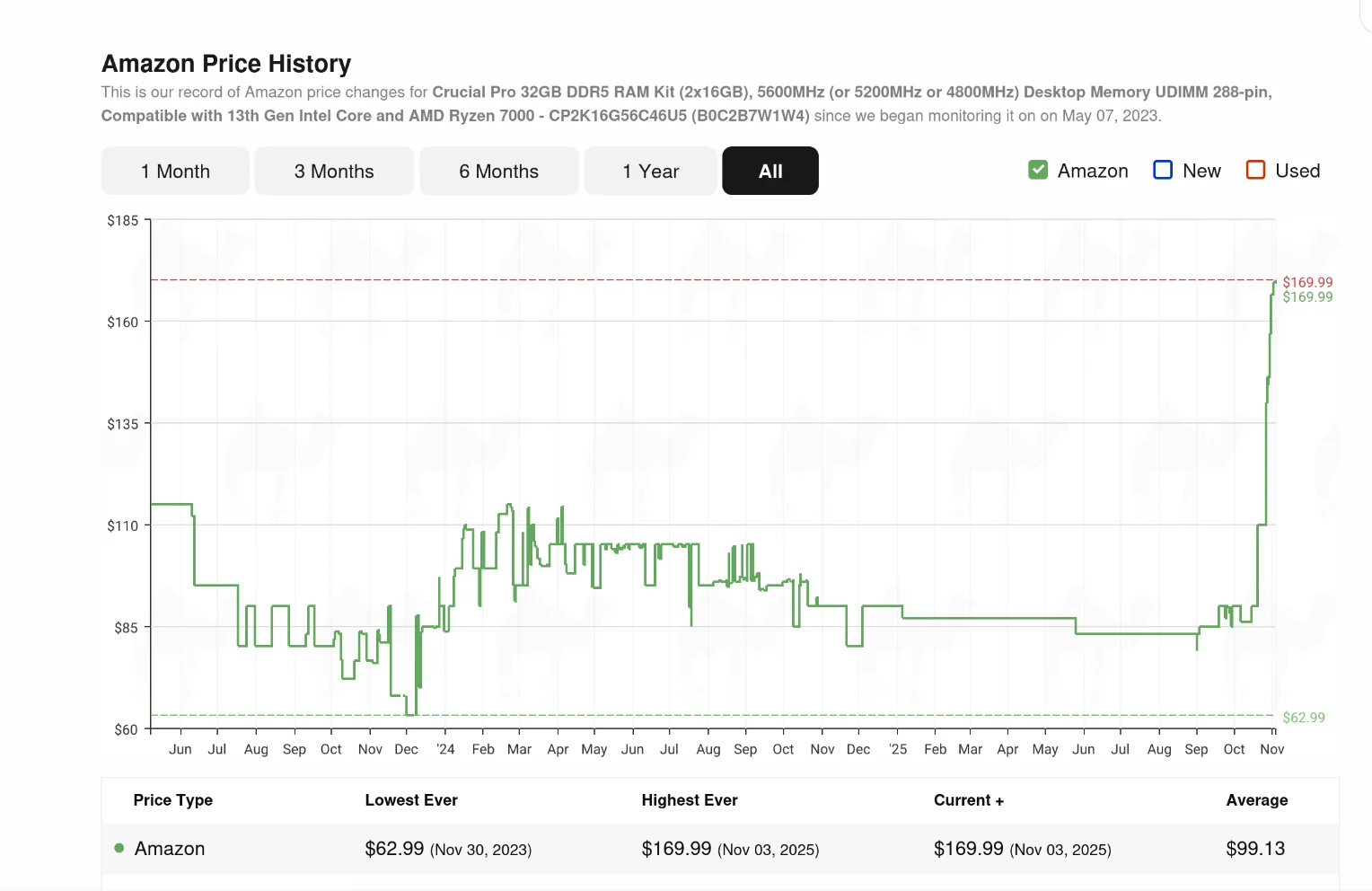
Your Devices Will Cost More Next Year
Laptop makers are already sounding alarms. Dell and Lenovo are reportedly preparing price increases of 15 to 30 per cent on systems launching in early 2026. Entry-level configurations might ship with less memory to keep base prices palatable.
Smartphones face similar pressures. Counterpoint Research predicts average smartphone selling prices will climb 6.9 per cent in 2026. The iPhone 17 and Samsung Galaxy S26 might stick with current memory allocations instead of bumping up to 16GB or more.
Gaming consoles aren't immune. Nintendo's Switch 2 already saw a 41 per cent RAM price increase this quarter, according to Bloomberg. Microsoft has dealt with Xbox price hikes twice in 2025. Expect more.
Some manufacturers are exploring workarounds. MicroSD card slots might make a comeback in budget phones, compensating for stingier internal storage. Apple's margins give them breathing room, but analyst Jukan suggests even Cupertino's long-term agreements are expiring. Samsung and SK Hynix plan to raise memory prices for Apple starting January 2026.
How Long Will This Last?
Not soon. SK Hynix internal analysis suggests commodity DRAM supply constraints will persist through 2028. That's excluding HBM and specialised formats, which command even higher margins.
Memory makers learned painful lessons from past boom-bust cycles. Unchecked production expansion destroyed margins when oversupply hit. This time they're more cautious, diverting capital expenditure towards HBM and advanced nodes. Consumer markets get what's left over.
Jeff Geerling's blog points out another problem. The specialised memory going into AI servers doesn't work in consumer PCs. When this bubble eventually pops, we won't see floods of cheap RAM hitting the second-hand market like previous cycles. It's locked into systems requiring custom cooling and power configurations.
PC builders already feel the squeeze. Central Computers in San Francisco now sells memory at fluctuating "market prices" like seafood. No fixed pricing. Just daily adjustments based on supply and demand. CyberPowerPC announced pricing adjustments across all systems starting 7th December 2025.
Framework hiked DDR5 upgrade prices by 50 per cent and warned further increases are likely. Even Raspberry Pi, which stockpiled memory during earlier downturns, raised prices $5 to $25 across its product line in October 2025.
What Should You Do Right Now?
Buy what you need now if you're planning upgrades. Prices aren't dropping anytime soon. That gaming PC build you've been planning? Pull the trigger before Q1 2026 when these contract price increases filter through to retail.
Check your current systems. If they're adequate for another year or two, delay upgrades. Memory prices might stabilise by late 2026 or 2027, but SK Hynix's projections suggest otherwise.
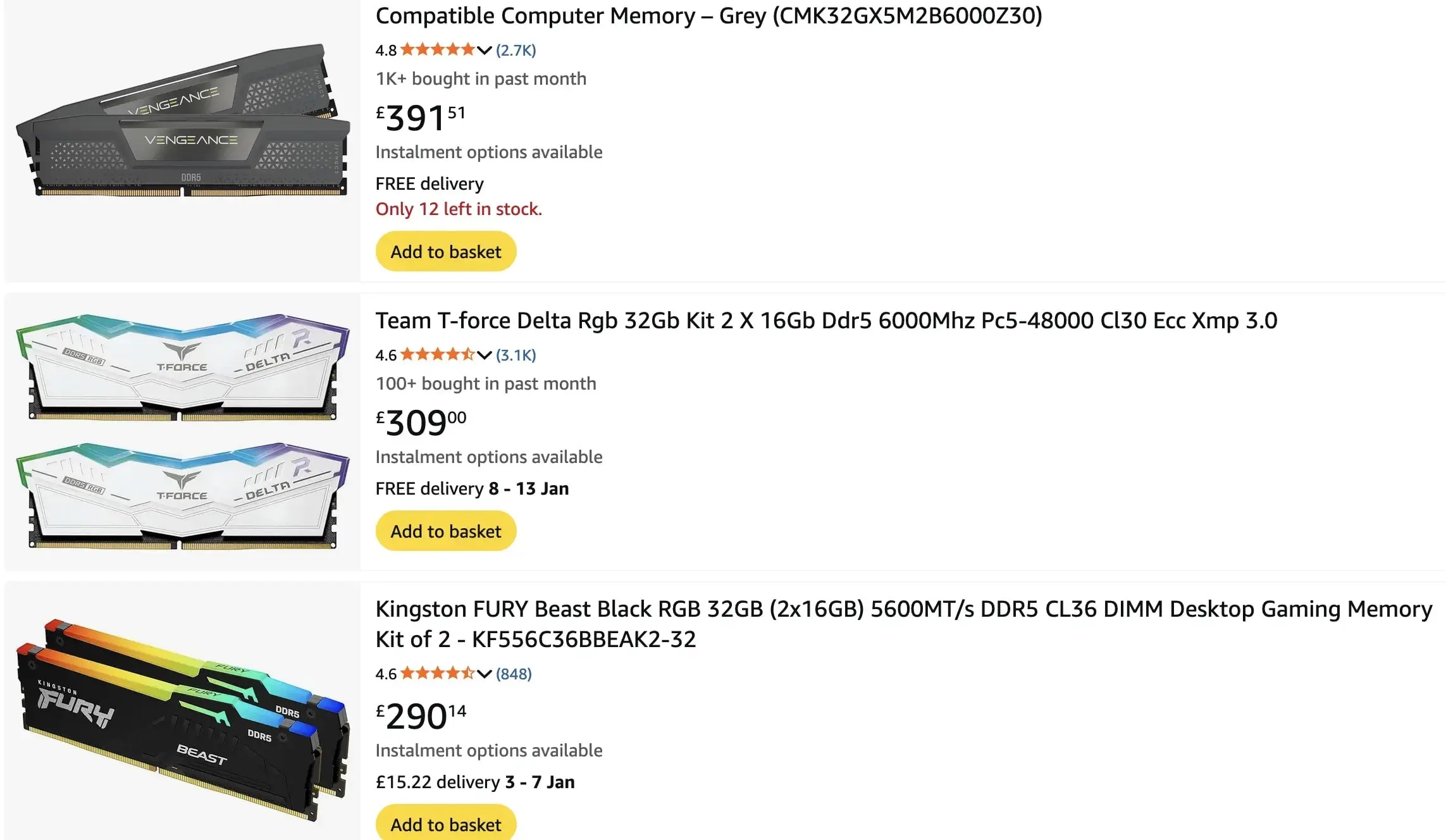
Look at alternative platforms. DDR4 systems are older but still capable for most tasks. Some retailers have remaining stock at pre-crisis pricing.
This crisis extends beyond gaming and PC building. Medical equipment, automotive systems, banking terminals. Everything using modern electronics faces the same supply crunch. We're all paying an invisible AI tax on consumer electronics, whether we use AI services or not.
Samsung's 100 per cent price increase is another escalation in what some are calling "RAMageddon." The three-way oligopoly of Samsung, SK Hynix, and Micron gives them enormous pricing power. They've chosen AI over consumers.
Your next phone, laptop, or console will cost more because of it.
Related Articles
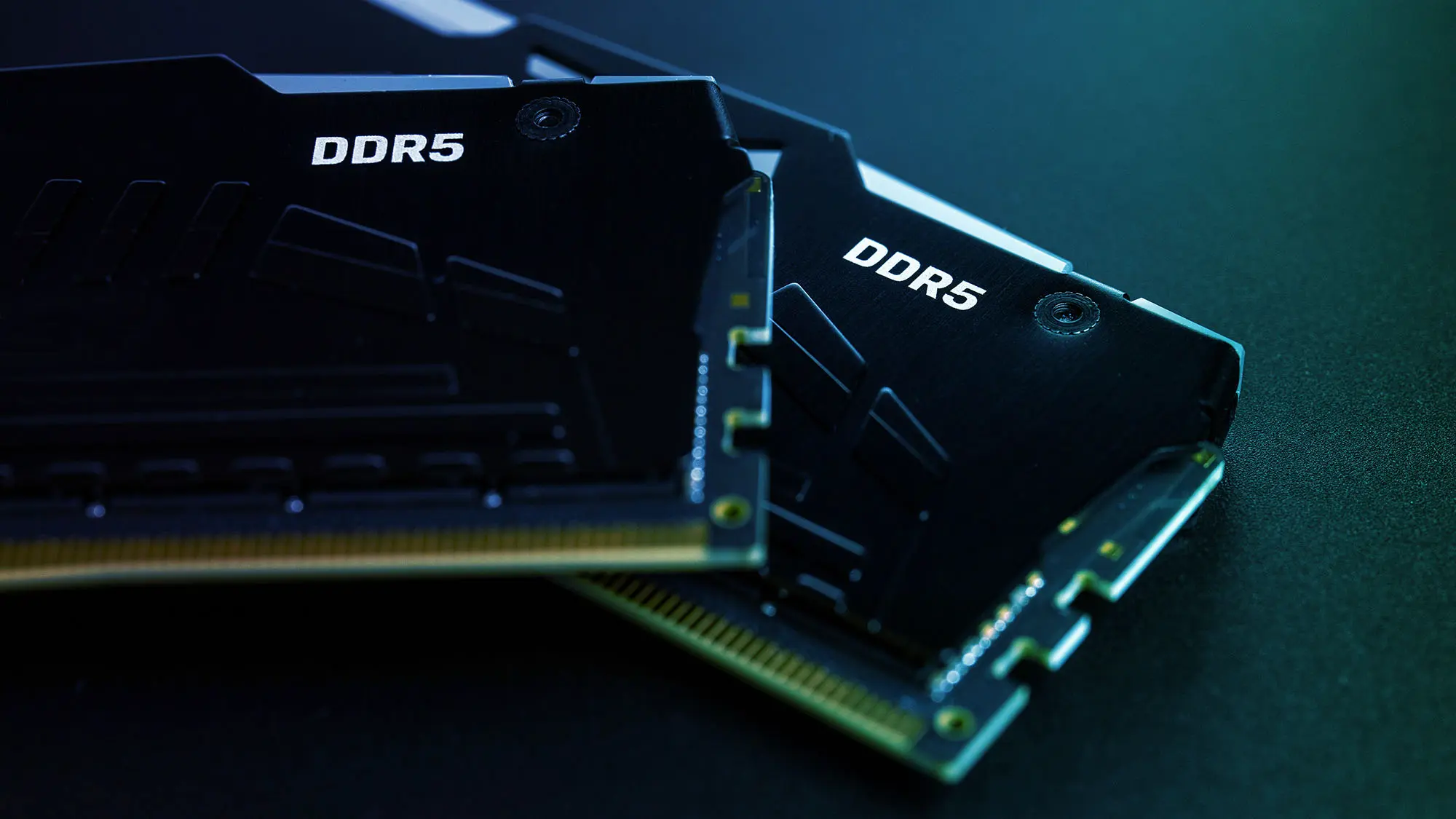
RAM Prices Surge Over 170% Year-Over-Year as AI Boom Drives Global Memory Shortage
RAM prices surge 170% year-over-year as OpenAI reserves 40% of global supply for AI data centers. DDR5 kits doubled from $95 to $184 in months.
1AM Gamer Team
25 November 2025
AMD Ryzen 7 9850X3D Announced: Clock Bump Delivers Modest Gaming Gains
AMD unveils the Ryzen 7 9850X3D at CES 2026, a higher-clocked variant of the 9800X3D targeting gamers willing to pay extra for marginal performance improvements.
1AM Gamer Team
7 January 2026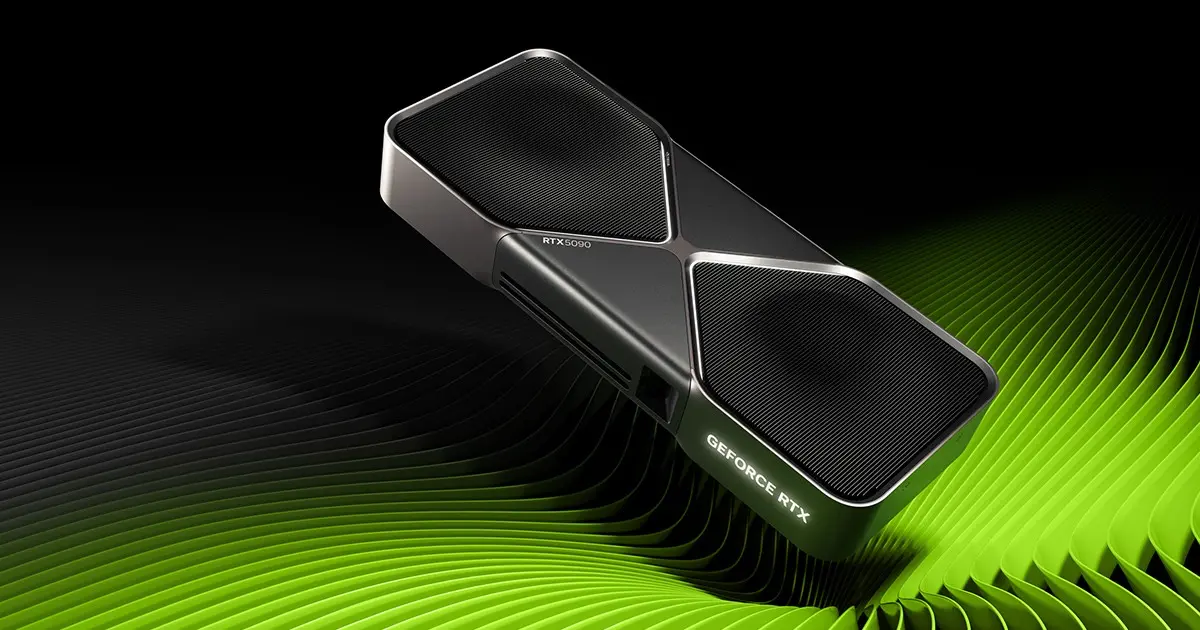
Nvidia RTX 5090 GPU Prices Surge Past £3,000 as Memory Crisis Bites
RTX 5090 prices have doubled from launch MSRP, with reports suggesting they could hit £3,750 by late 2026 as AI demand crushes consumer GPU supply.
1AM Gamer Team
5 January 2026