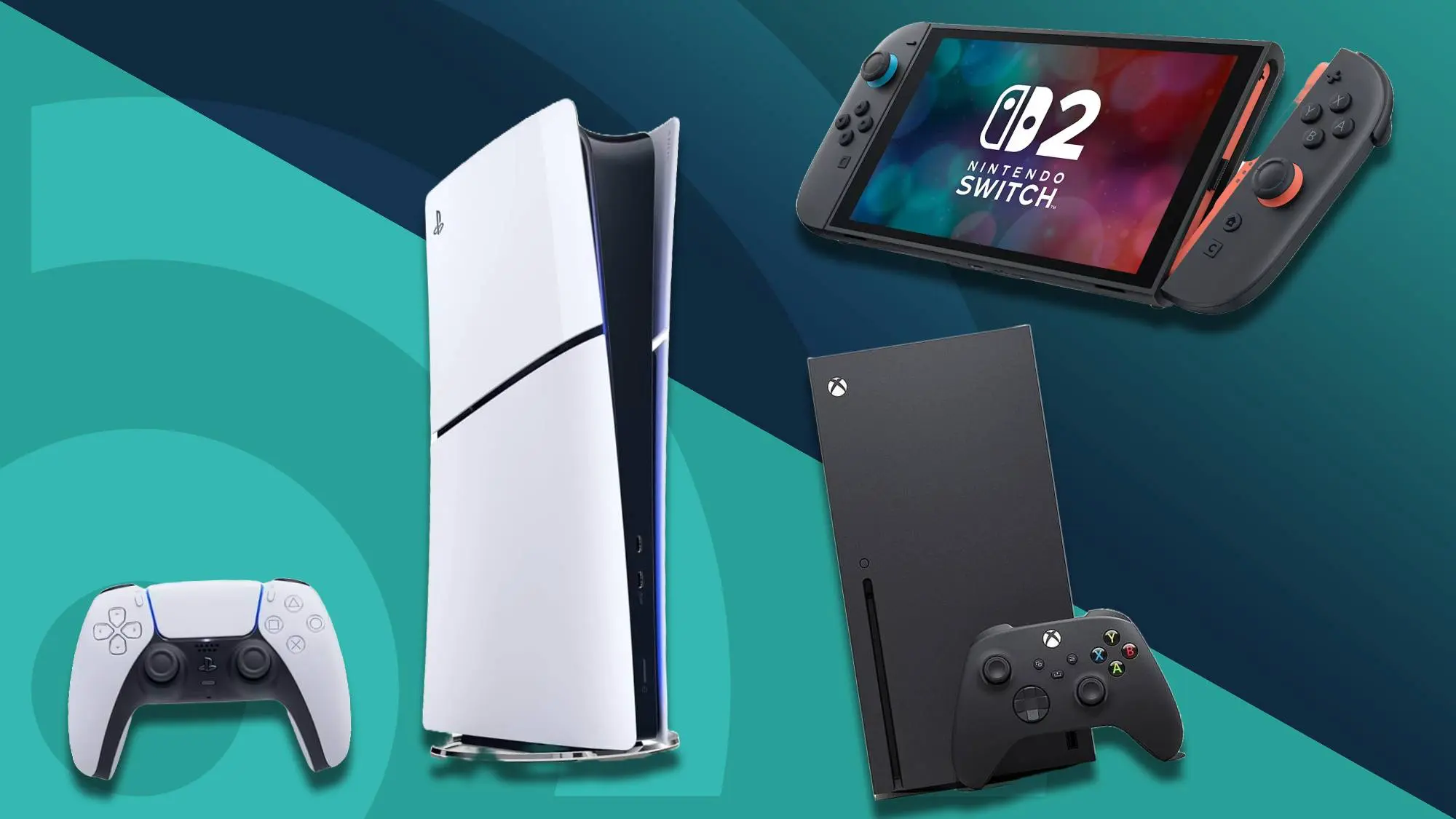
Samsung Issues Important Warning: Console Gaming is Going to Get More Expensive

1AM Gamer Team
11 January 2026 20:00 PM GMTYour wallet needs to brace itself.
Samsung dropped a bombshell at CES 2026 in Las Vegas. TV prices are heading up. Way up. And console gaming? About to get hit hard.
The tech giant issued stark warnings through co-CEO TM Roh and global marketing head Wonjin Lee. DRAM shortages have spiralled beyond control. Prices for memory chips have doubled, sometimes tripled, over the past few months. Samsung says nobody's immune.
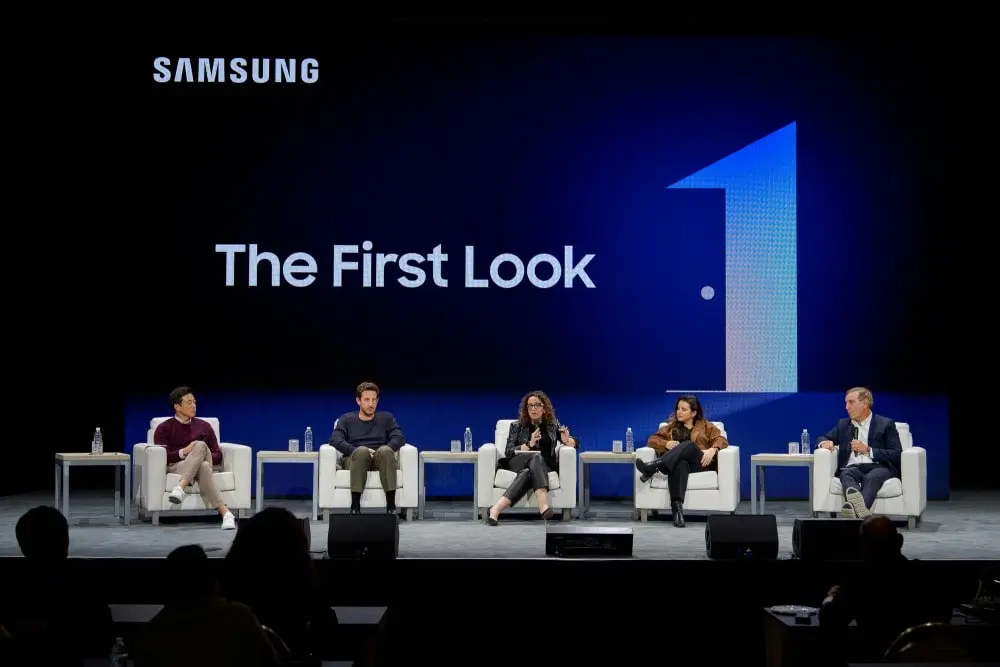
"As this situation is unprecedented, no company is immune to its impact" Roh told Reuters. The shortage affects phones, home appliances, TVs. Everything with a circuit board.
Lee put it bluntly to Bloomberg: "There's going to be issues around semiconductor supplies, and it's going to affect everyone. Prices are going up even as we speak."
Why Your Gaming Setup Just Got Pricier
Console gaming relies on screens. Monitors. TVs. Can't play without them.
Samsung's warning means those displays will cost more to buy. Market research firm Omdia reported DRAM prices for TV components doubled in the last six months of 2025. That's just the beginning.
The company doesn't want to pass costs to consumers. They have no choice. Long-term supply contracts are expiring. New ones cost significantly more. When fresh TV models launch in 2026, expect price tags to reflect this reality.

Blame Artificial Intelligence
Where did all the memory chips go? AI ate them.
Data centres need massive amounts of high-bandwidth memory. OpenAI, Google, Meta, Microsoft. They're building out infrastructure at breakneck speed. Training AI models requires extraordinary computing power. That power needs RAM. Lots of it.
In October 2025, OpenAI signed deals with Samsung and SK Hynix for roughly 900,000 new DRAM wafer starts monthly. One company. That's enormous capacity redirected from consumer electronics.
Major memory manufacturers shifted production away from phones, PCs, and gaming hardware. They're chasing lucrative data centre contracts instead. Consumer markets got left behind.
Micron recently announced they're exiting the consumer business entirely in 2026. Their Crucial brand? Done. They're focusing exclusively on data centres now.
Current Consoles Face Price Hikes Too
Think you're safe with your PS5 or Xbox Series X? Think again.
The RAM crisis hits current-generation hardware. Console makers locked in older supply contracts months ago. Those agreements are ending. New ones cost four to six times more than what companies paid at the start of 2025.
Reports suggest Xbox got caught off guard by the shortage. Sony apparently stockpiled RAM, buying them breathing room. Won't last forever.
32GB DDR5 modules jumped from £180 in September to £290 by January. Analysts predict another 30-50% increase in early 2026. Everything containing memory will feel this squeeze.
PlayStation 6 and Next Xbox in Jeopardy
Future consoles face worse problems.
Insider Gaming reports Sony and Microsoft are debating delays. The PS6 and next Xbox were targeting 2027-2028 launches. That timeline might slip to 2029-2030.
Console manufacturers face brutal choices. Launch on schedule with massive price increases? Delay and hope RAM supplies stabilise? Neither option looks good.
Next-generation systems need substantially more memory than current hardware. Rumours suggest the PS6 could pack significantly more VRAM than the PS5. With memory prices this high, that translates to eye-watering manufacturing costs.
Launch a console at £700-800? Maybe £900? Consumers already balked at the PS5 Pro's £700 price point. Nobody wants to see what £900-plus does to sales figures.
Some industry watchers suggest delays might benefit the industry. Current-generation consoles are hitting their stride. Software libraries are maturing. Games finally tap into hardware capabilities properly. Stretching the generation another couple years makes sense.
Others worry delays mean next-gen arrives with older architecture. Technology doesn't stop advancing whilst waiting for RAM prices to drop.
Steam Machine Caught in the Crossfire
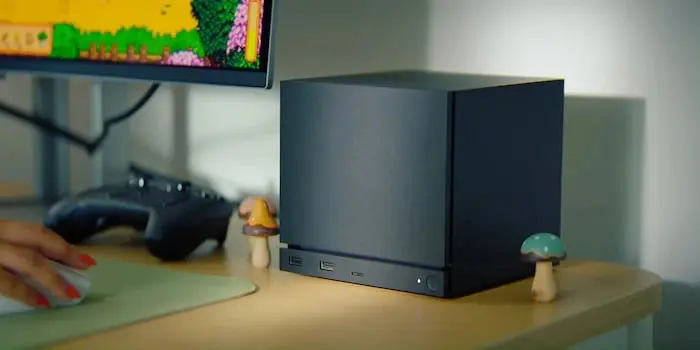
Valve's upcoming Steam Machine launches straight into this mess. Reports peg pricing between £650-730 depending on storage configuration.
That's before accounting for recent price spikes. If Valve absorbs costs, profit margins vanish. If they pass them along, the device becomes prohibitively expensive.
The Q1 2026 launch window looks increasingly unrealistic. Valve has gone silent on release dates and final pricing. Smart move. Committing to numbers right now means eating losses or disappointing customers.
The Broader Picture
This isn't just gaming hardware. Every device with memory faces the same crunch.
Smartphones will cost more. Laptops too. Even household appliances with smart features need memory chips. Samsung explicitly called out home appliances as vulnerable to price increases.
NotebookCheck reports some retailers now limit RAM and SSD purchases to prevent hoarding. Others have contacted customers post-purchase demanding additional payment. The volatile market creates chaos.
Nvidia reportedly cut GPU production by up to 40% in 2026. Not enough memory to pair with their chips. Graphics cards already expensive? About to get worse.
Legacy components aren't safe either. Even HDD prices are climbing. When new technology becomes scarce, people turn to older alternatives. Demand pushes those prices up too.
Some States Face Double Trouble
Live near AI data centres? Your electricity bill probably spiked too.
Massive computing facilities consume staggering amounts of power. Regional grids struggle to keep up. Utilities pass costs to consumers. So you pay more for gaming hardware AND more to run it.
The compounding effect makes gaming genuinely less accessible. Entry barriers keep rising whilst wages stay flat.
What Comes Next
Nobody knows when this resolves.
Building new manufacturing capacity takes years. Cleanroom facilities don't appear overnight. They require certifications, specialised equipment, trained personnel. Even if memory makers broke ground today, 2028 at earliest before new production comes online.
Some analysts suggest this represents permanent reallocation. The silicon wafer capacity moving to AI applications isn't coming back. Consumer electronics might never see those manufacturing volumes again.
IDC warned in December 2025 this isn't cyclical. It's structural. High-capacity memory for AI servers pulls disproportionate resources. A few data centre systems consume what thousands of consumer devices would need.
Samsung's warning crystallises something the industry has known for months. 2026 will be expensive. 2027 might be worse. The gaming hobby faces genuine affordability challenges ahead.
Should You Buy Now?
If you've been considering a new TV or console, the answer is probably yes.
Prices aren't dropping. They're rising. Current inventory reflects older, cheaper supply contracts. New stock coming in 2026 will reflect current market conditions.
That £400 monitor? Could be £550 in six months. The £450 Xbox Series X? Might hit £550-600 if Microsoft adjusts pricing. Samsung already said they're "at a point where we have to consider repricing our products."
Hardware sales hit 30-year lows in November 2025. Even the Switch 2 couldn't reverse the trend despite strong initial sales. Consumers are tapped out. Another round of price increases could devastate the market further.
But manufacturers have no alternative. They can't sell at a loss indefinitely. Somebody pays for those component costs. Either companies absorb them and go bankrupt, or customers pay more.
The coming months will test how much the gaming market can bear. Samsung fired the opening shot. Other manufacturers will follow. Get ready for the most expensive console generation yet.
Or don't buy anything and watch the industry struggle to justify its existence whilst pricing out its own customer base.
Gaming's affordability crisis just accelerated. Hard.
Related Articles
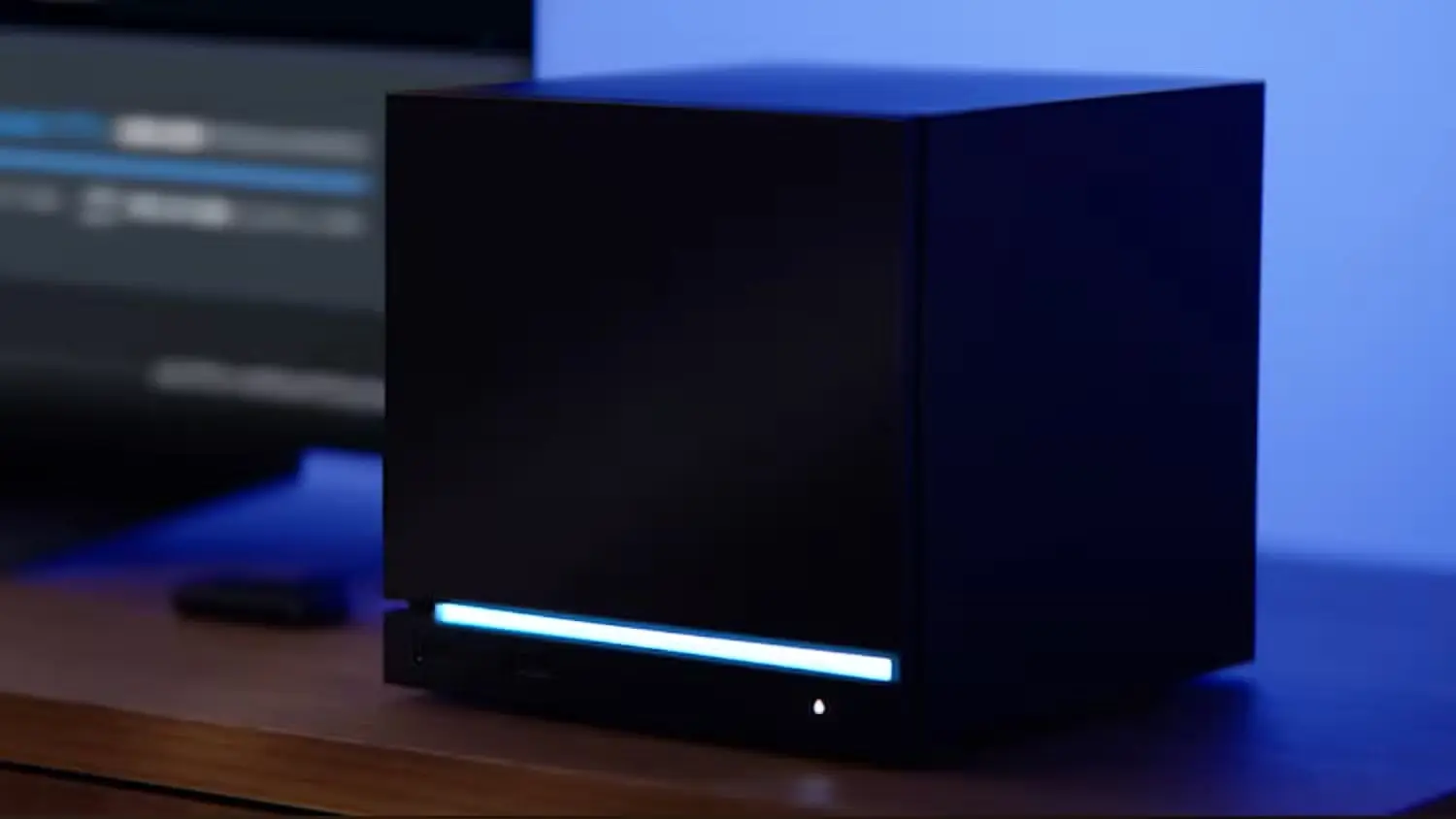
Steam Machine Set for Early 2026 Launch: PS5's Future Hangs in the Balance
Valve's Steam Machine brings console-like simplicity to PC gaming with six times the Steam Deck's power, threatening PlayStation's dominance.
1AM Gamer Team
1 February 2026
Steam Deck OLED Price Hike Pushes 1TB Model to $949 as RAM Shortage Bites
Valve has raised Steam Deck OLED prices by up to $300, blaming soaring memory and storage costs. The 1TB model now sits at $949 before tax.
1AM Gamer Team
28 May 2026
CPU Prices Are Going Up Again, And Gamers Are Going To Feel It
Intel is planning a third CPU price hike in 2026, pushing costs up to 30% above 2025 levels. Here's what that means for PC gamers and the wider industry.
1AM Gamer Team
9 April 2026