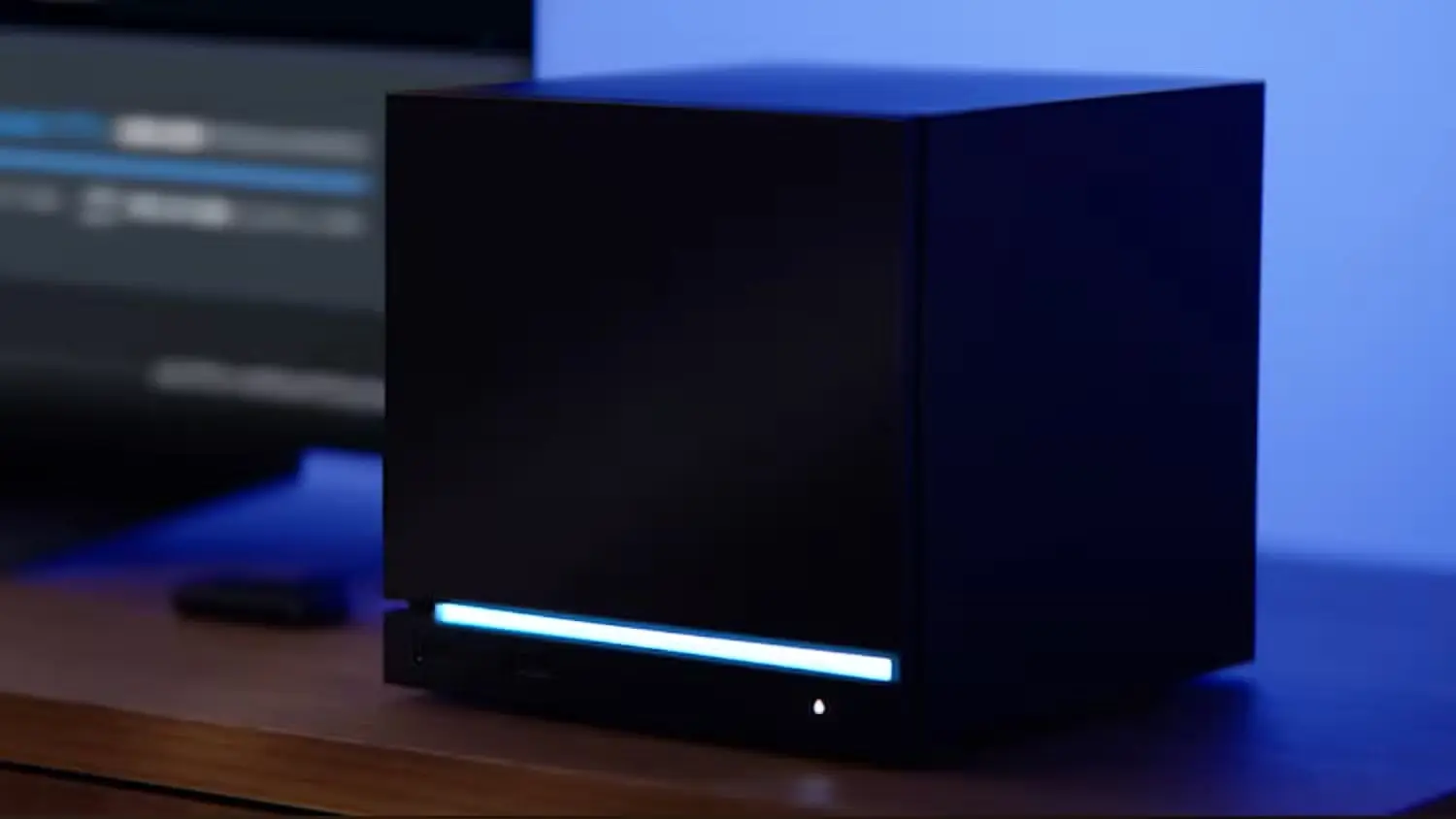
Steam Machine Set for Early 2026 Launch: PS5's Future Hangs in the Balance

1AM Gamer Team
1 February 2026 17:00 PM GMTValve's throwing another punch at the console market. The Steam Machine arrives in early 2026 , and this time the company means business.
Back in 2015, Valve's first Steam Machine attempt flopped hard. Fast forward to today? Everything changed. The Steam Deck proved portable PC gaming works. Now Valve wants your living room.
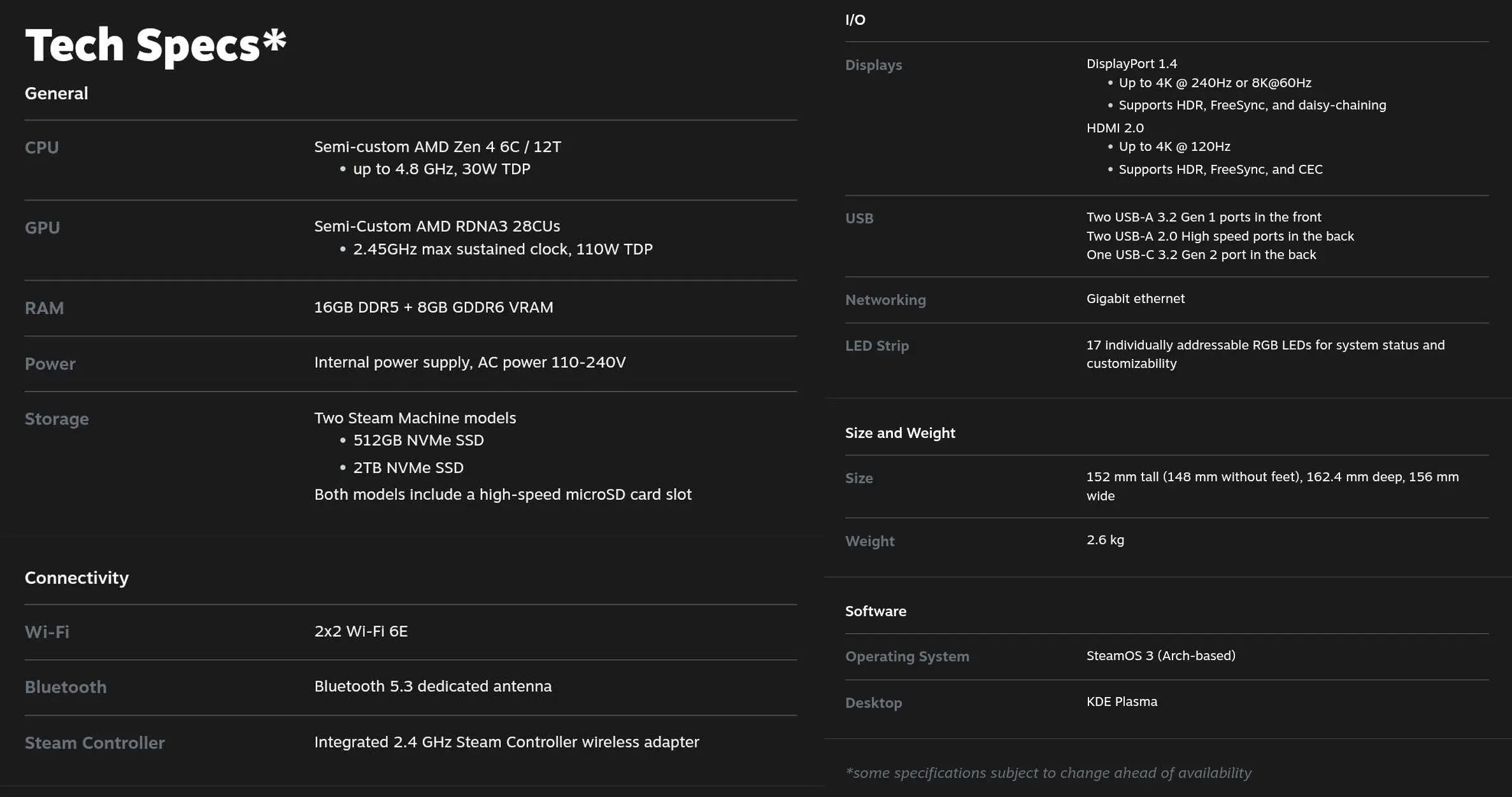
The Steam Machine packs a custom AMD Zen 4 chip with six cores and 12 threads alongside an RDNA3 GPU featuring 28 compute units . Valve claims six times more powerful than the Steam Deck . That's not just marketing fluff.
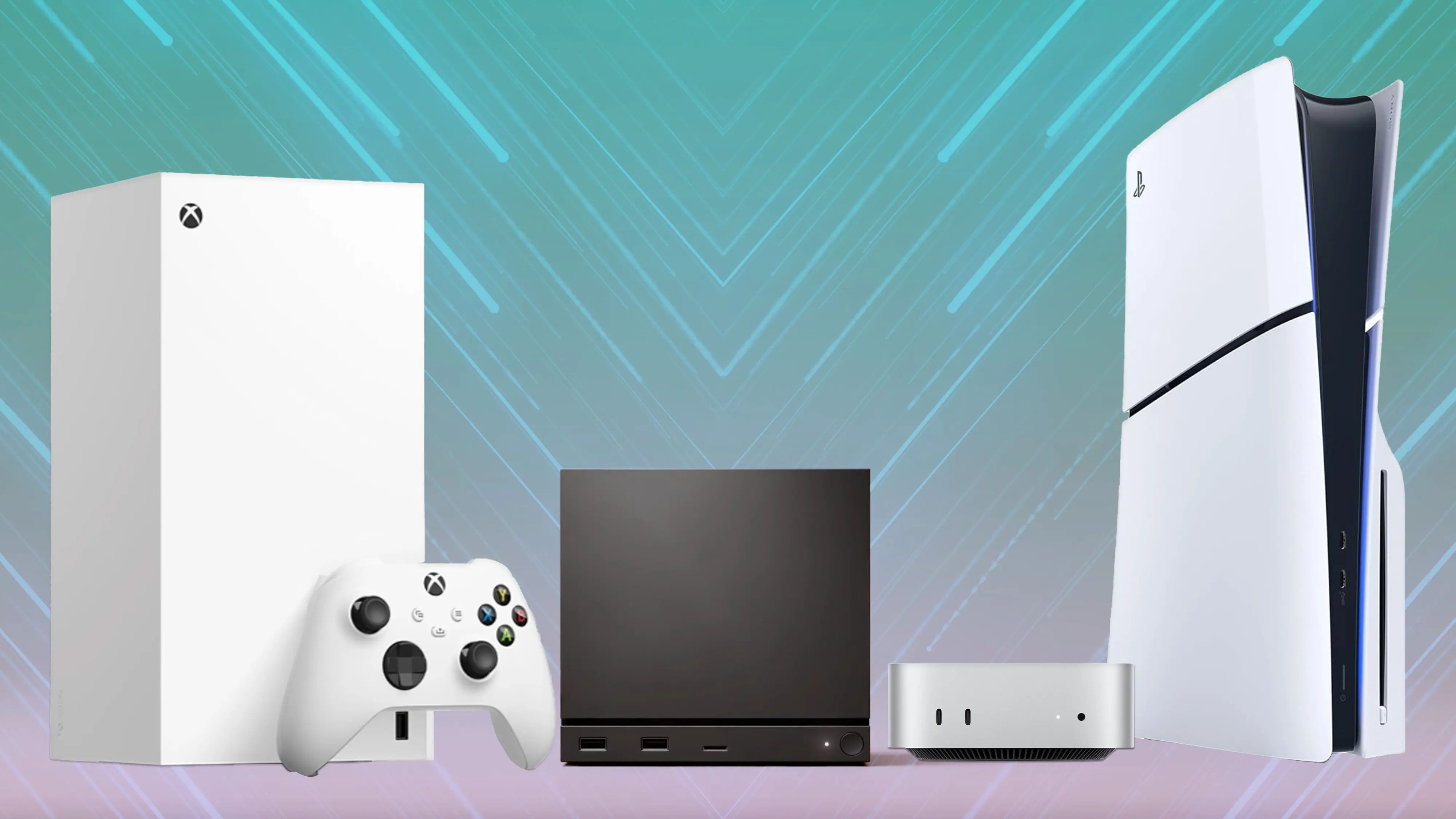
Performance sits somewhere between PS5 and Xbox Series X, according to Digital Foundry's Richard Ledbetter. The CPU's stronger. The GPU? About on par with current generation consoles, maybe a touch behind in raw compute.
Here's the catch: 8GB VRAM. Modern AAA games increasingly demand 12GB to 16GB VRAM for 4K gaming , which means the Steam Machine will struggle at higher resolutions without turning settings down.
The RAM Crisis Nobody Saw Coming
Timing couldn't be worse. DRAM prices jumped between 178% and 258% from mid-September to mid-December 2025 . AI datacentres are hoovering up memory supplies like there's no tomorrow.
Valve is still working out Steam Machine pricing in response to RAM price hikes , according to Insider Gaming's Mike Straw. The early 2026 release? Looking shaky.
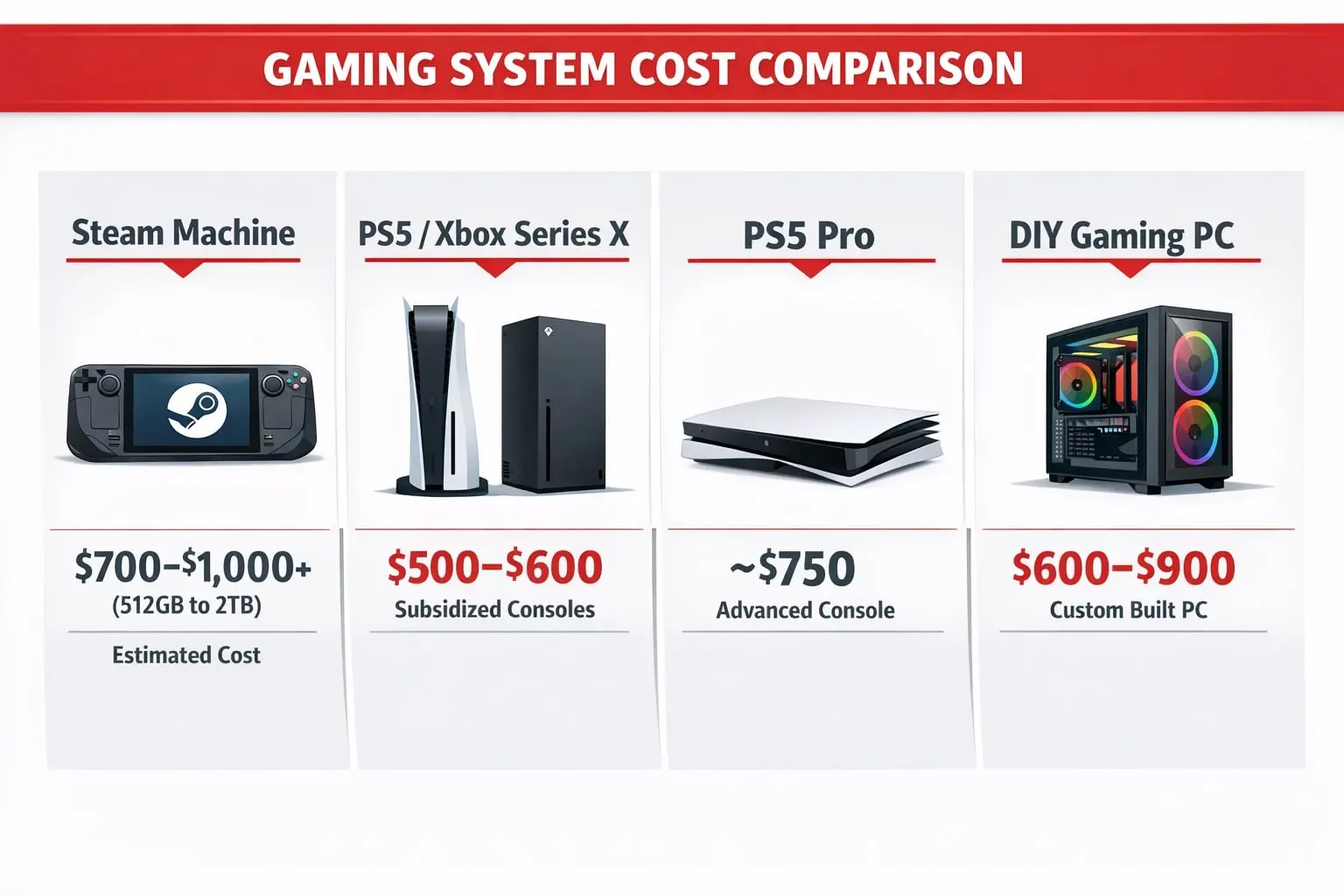
Some analysts predict pricing between $700 and $800. Others reckon it'll hit $1,000 or more if RAM prices keep climbing. Either way, forget console-like pricing.
Moore's Law Is Dead suggested Valve might release a bare-bones edition without RAM or SSD . You'd supply your own components. Sounds mental, but desperate times call for desperate measures.

Why PlayStation Should Be Sweating
The threat isn't immediate. PS5 sales won't crater overnight. But long term? Sony's got problems.
There is no question that console-like PCs are a major threat to classical consoles, and PlayStation is the last remaining classical console , notes one industry observer.
Think about it: Steam Machine plays most PC games, gets Xbox titles day one through Game Pass, and eventually receives PlayStation exclusives months later. Sony's PC revenue already exceeds $1.2 billion after Valve's cut. That number only grows.
Sony's porting strategy backfires here. Every PlayStation exclusive that lands on Steam becomes a Steam Machine game. Helldivers 2? Twice as many buyers purchased the game on Steam as on PS5 .
The modding community sweetens the deal. Want Skyrim with 200 mods? Steam Machine handles it. PlayStation doesn't.
The Hardware Trade-Offs
Steam Machine isn't technically superior to PS5. Performance sits in roughly similar territory to PS5 and way ahead of Xbox Series S, but falls behind Xbox Series X and PS5 Pro graphically .
The 8GB VRAM limitation hurts. To achieve 4K at 60Hz, in-game settings must be tuned to low or medium in many demanding titles . That's not the premium experience Valve's promising.
No HDMI 2.1 support either. Valve relies on open-source drivers, and the HDMI Forum still does not provide open documentation . DisplayPort works for 4K/120Hz, assuming your telly supports it. Most don't.
But here's where Steam Machine wins: flexibility. Unlike traditional consoles limited to performance or quality modes, Steam Machine offers total PC-like flexibility to adjust individual graphics settings .
You control everything. Shadows, textures, lighting, ambient occlusion. Optimise for competitive frame rates or visual fidelity. Your choice.
The Software Advantage
SteamOS transforms the experience. Remember the original Steam Machines' biggest problem? Linux game compatibility sucked. Proton changed everything.
Valve's compatibility layer opens up thousands of Windows games. According to Valve's engineers, the original Steam Machine concept failed due to lack of games, but Proton opens the system to a far wider range .
Over 19,000 Steam Deck verified games already work. The verification programme extends to Steam Machine. Day one library? Massive.
PlayStation offers strong exclusives. Xbox Game Pass delivers value. But Steam's catalogue dwarfs both. Decades of PC gaming history, playable on your telly.

Why This Time Feels Different
Valve learned from past mistakes. The 2015 Steam Machines failed because multiple manufacturers built fragmented hardware. Nobody knew what they were buying.
This time? Valve controls everything. Single hardware spec, unified experience. Think Apple's approach versus early Android phones.
Valve has the potential to take over the console world or at least be a serious rival to PlayStation and Xbox , argues one gaming outlet. The ingredients are there.
Take-Two Interactive's CEO Strauss Zelnick told CNBC the industry was trending towards PCs rather than consoles . Grand Theft Auto 5's sustained PC popularity through mods proves his point.
Microsoft's already surrendering. The "This is an Xbox" campaign essentially admits consoles don't matter anymore. Why buy an Xbox when a PC does everything better?
The Price Problem
Pricing will make or break Steam Machine. Valve doesn't intend to subsidise hardware like Sony and Microsoft do with consoles .
Pierre-Loup Griffais, Valve's hardware engineer, confirmed pricing aligns with the PC market. Translation: expensive.
Console manufacturers sell hardware at a loss, making profits through game sales and subscriptions. Valve can't compete that way. Steam's 30% cut sustains the business, not hardware margins.
If Valve sticks to Q1 2026, they have under three months to announce pricing, release date, and ship the product . The RAM crisis makes that timeline laughable.
A delay seems inevitable. Half-Life 3, rumoured as a Steam Machine launch title, may also be pushed back . Every expected reveal date has passed without announcement.
PlayStation's Difficult Position
Sony faces a dilemma. Keep releasing games on PC and strengthen Steam Machine's value proposition. Stop PC ports and leave billions in revenue on the table.
If the Steam Machine entices console fans, PlayStation may need to rethink its stance on exclusivity . But backing down now seems unlikely.
The PS6 looms on the horizon. By the time it launches in 2027 or 2028, Steam Machine will be established. Valve's positioned for an entire generation, not just one product cycle.
Microsoft is both a major publisher and hardware platform provider pushing towards PC . Sony stands alone defending traditional consoles. That's strategically vulnerable.
Who Actually Buys This Thing
Steam Deck sold roughly 4 million units. By console standards that would be an utter flop, but it's just a low volume device . Steam Machine likely follows similar patterns.
Hardcore PC gamers building £2,000 rigs won't bother. Console diehards with massive PlayStation libraries won't switch. The target audience? Smaller than Valve hopes.
There's no reason for current console owners to jump ship as it's weaker than base PS5 and Series X . Two years from now, PS6 and next Xbox make Steam Machine look ancient.
But niche doesn't mean irrelevant. Steam Deck proved dedicated audiences exist. People wanting PC gaming without the hassle. Folks with massive Steam libraries and no gaming PC.
Price it right and that audience grows. Price it wrong and Steam Machine joins Stadia in the graveyard.
The Bigger Picture
Console gaming isn't dying. PlayStation still prints money. But the ground's shifting beneath Sony's feet.
The console market is arguably in the best place it's ever going to be for a large shakeup . PlayStation's live-service bet failed. Xbox surrendered. Nintendo does its own thing.
Steam Machine doesn't need to outsell PlayStation. It just needs to exist as a credible alternative. Buying one Steam console that plays PC, PlayStation, and Xbox games is likely a more sound investment than buying every alternative .
That's the real threat. Not market dominance. Value proposition erosion.
Every PlayStation exclusive that hits Steam makes consoles less essential. Every Xbox game launching day-and-date on PC strengthens Steam's ecosystem. Steam Machine simply packages that reality in a living room-friendly box.
What Happens Next
Valve hasn't confirmed pricing, release dates, or specs beyond initial announcements. A delay is not out of the question as the RAM shortage worsens.
Best case scenario: Valve stockpiled components before prices exploded. Launch happens on schedule at competitive pricing. Sells out immediately. Second wave faces higher costs.
Worst case: Valve might need to cancel if they didn't buy up RAM ahead of time , according to Moore's Law Is Dead. That seems extreme, but not impossible.
Middle ground: Launch delayed to late 2026 or early 2027. Pricing higher than hoped but not catastrophic. Limited initial availability followed by steady supply once RAM markets stabilise.
Regardless of timing, Steam Machine represents Valve's most serious console challenge yet. The company learned from past failures. The market's more receptive to PC gaming. The technology actually works this time.
PlayStation's long-term future doesn't hinge on Steam Machine's success. But ignoring this threat would be stupid. The console war everyone thought was over? Just entering a new phase.
Sony's got decisions to make. Double down on exclusives or embrace multiplatform gaming. Compete on price or pivot to premium positioning. Treat Steam Machine as irrelevant or acknowledge the shifting landscape.
Whatever happens, 2026 promises fireworks. The RAM shortage will resolve eventually. Valve will launch something. And PlayStation will respond somehow.
The question isn't whether Steam Machine threatens PS5. It's whether traditional console gaming survives the next decade intact.
Related Articles
Steam Deck OLED Price Hike Pushes 1TB Model to $949 as RAM Shortage Bites
Valve has raised Steam Deck OLED prices by up to $300, blaming soaring memory and storage costs. The 1TB model now sits at $949 before tax.
1AM Gamer Team
28 May 2026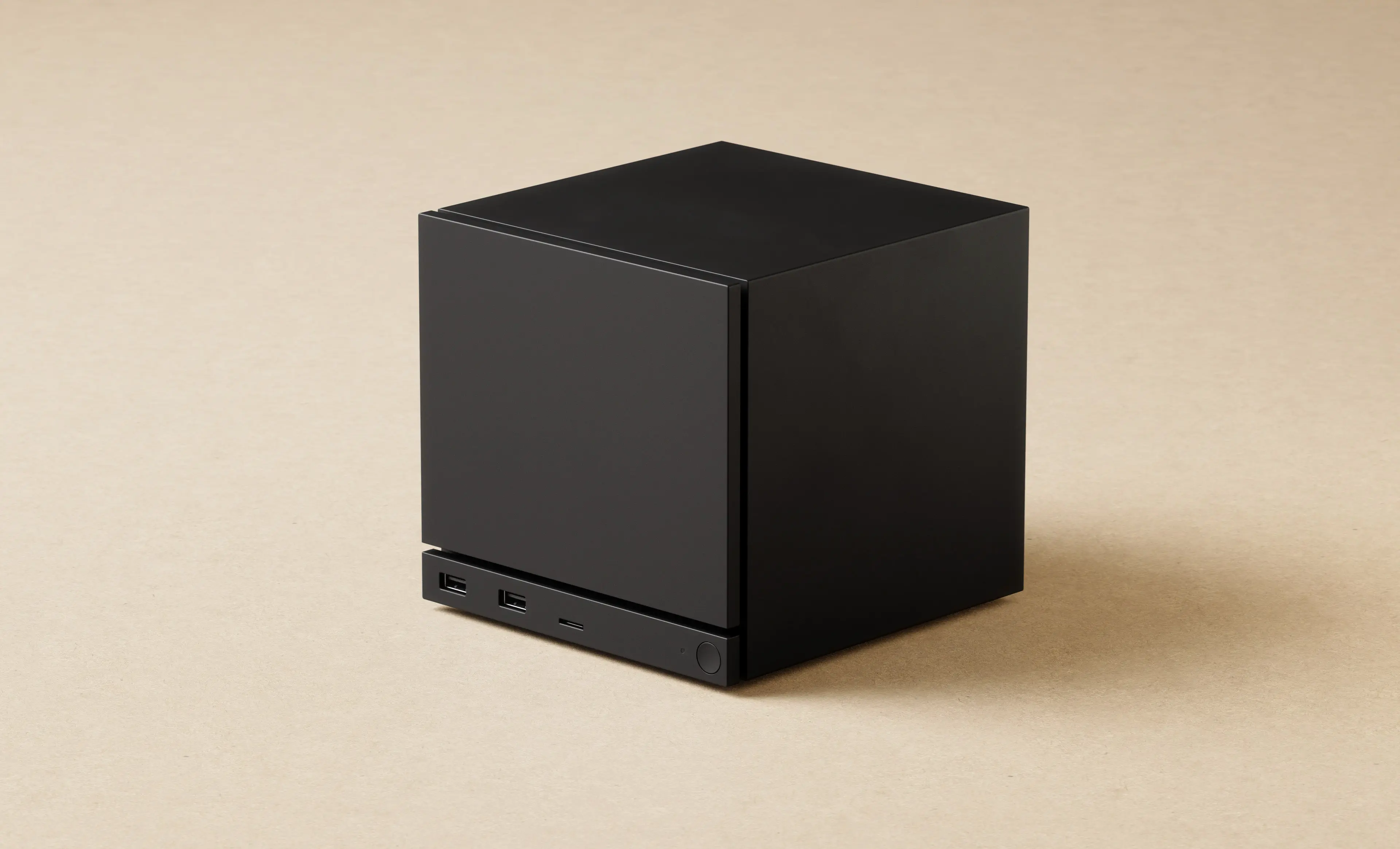
Valve Says Steam Machine Release Is Close, Only Logistics Standing in the Way
Valve developer Pierre-Loup Griffais says the Steam Machine is nearly ready to ship, with supply chain logistics the only remaining hurdle before it reaches customers.
1AM Gamer Team
29 April 2026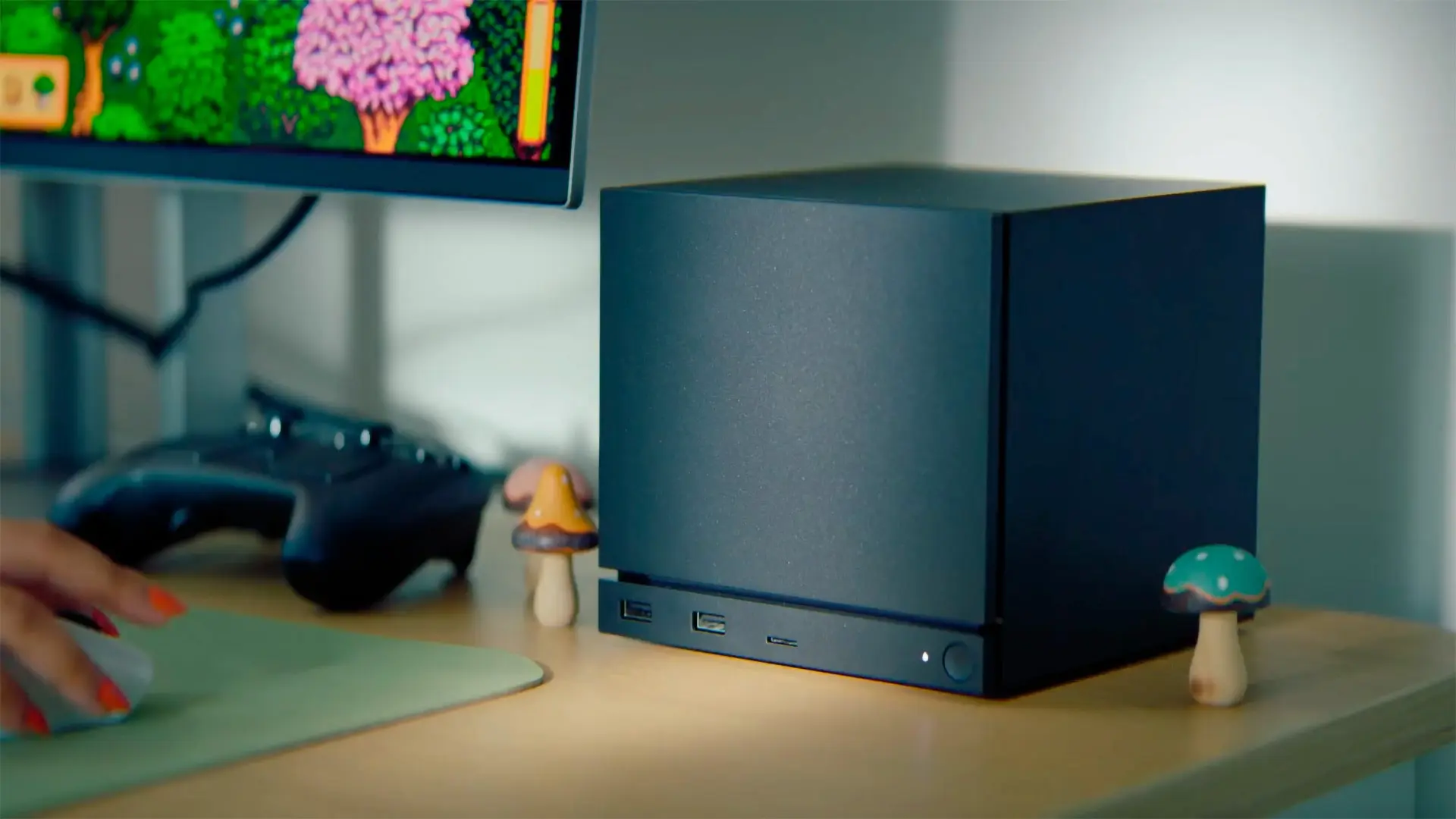
Czech Retailer Accidentally Leaks Steam Machine Price in Website Source Code
A Czech electronics shop listed Valve's upcoming Steam Machine with pricing hidden in HTML, revealing a potential €499 launch cost before quickly removing it.
1AM Gamer Team
11 January 2026