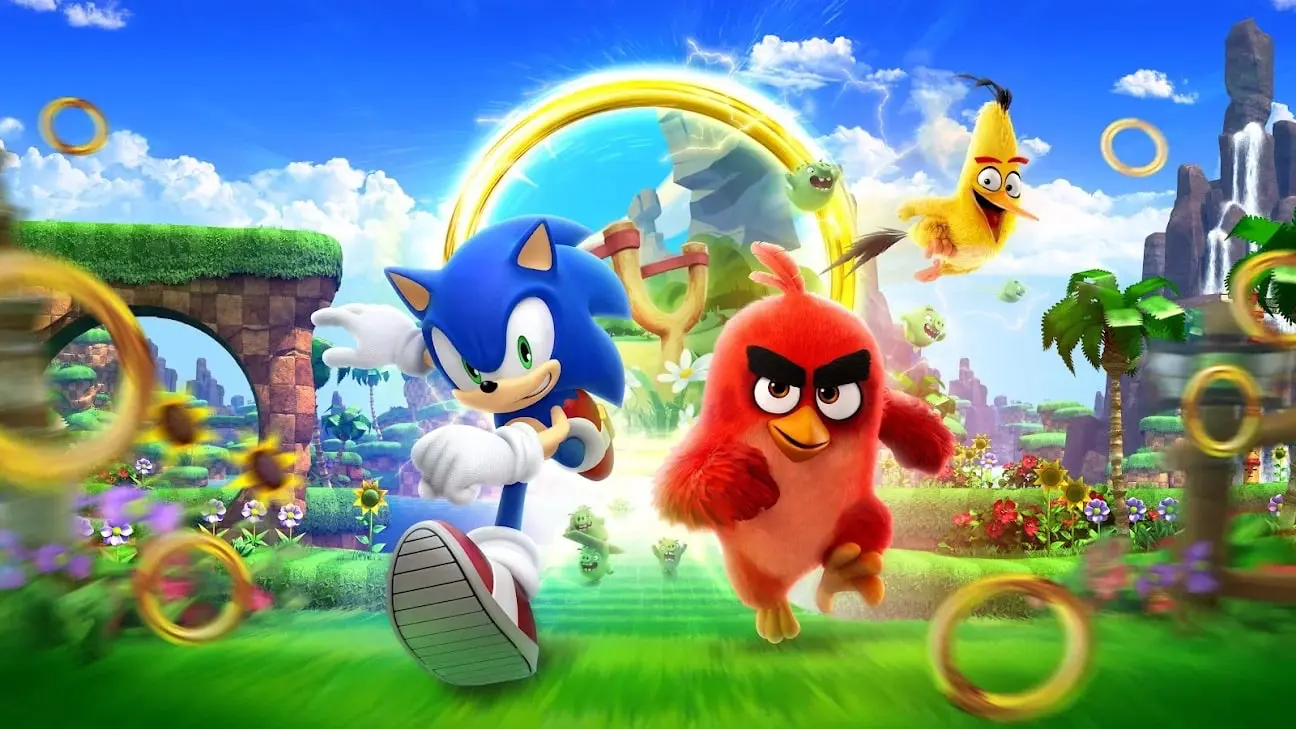
Sega Writes Off $200 Million from Rovio Acquisition After Mobile Games Underperform

1AM Gamer Team
13 February 2026 20:00 PM GMTTurns out paying $776 million for a mobile game studio doesn't always work out.
Sega Sammy has written off approximately ¥30.4 billion ($198 million) from the value of Rovio Entertainment in its latest financial report. The studio behind Angry Birds was acquired back in September 2023, with Sega betting big on Rovio's mobile expertise to boost its own presence in that market.
Didn't quite pan out.
What Went Wrong
The writedown came after what Sega calls an "impairment test" revealed Rovio's current value sits way below what they paid. Translation? The studio isn't making anywhere near the money Seg expected when they signed the cheque.
In their notice to shareholders, Sega points to rapid changes in the mobile game market. Multiple major titles launched in a short period, customer acquisition costs skyrocketed, and Rovio found itself struggling to execute its original business plan.
The profitability of the business fell below initial forecasts. Corporate speak for "we're not making enough money."
Rovio now sits at around $578 million on Sega's books. That's a painful drop from the original $776 million purchase price just over two years ago.
Games That Missed the Mark
Post-acquisition, Rovio hasn't exactly set the mobile world on fire. The studio helped market Sonic Rumble, which launched in November 2025 and promptly underperformed. Sega specifically called out the game for falling short on key metrics, particularly customer acquisition.
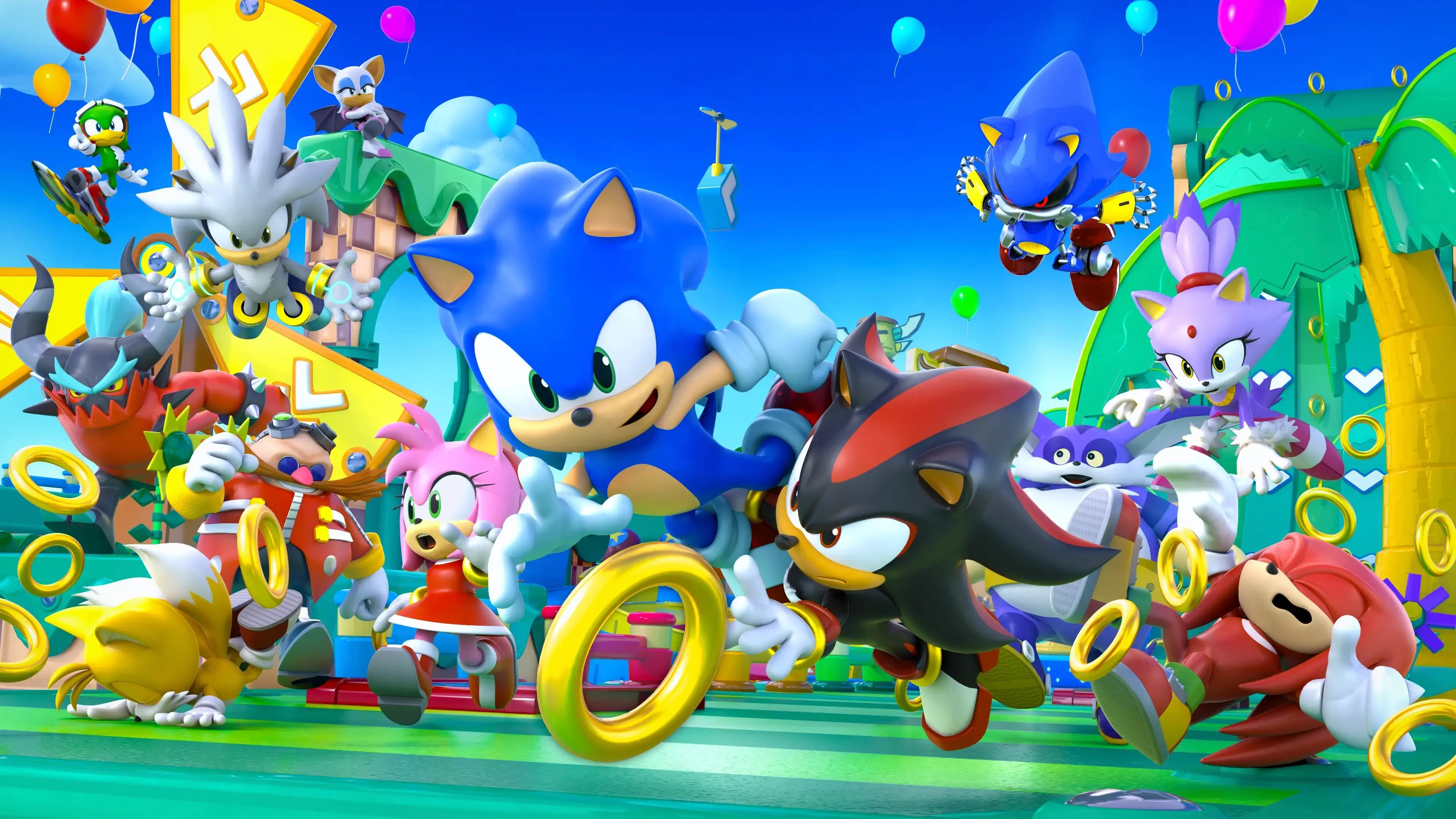
Other releases include Sonic Blitz (a turn-based card game), Angry Birds Block Quest, and Angry Birds Bounce. None moved the needle for either franchise. Even Angry Birds Dream Blast, one of Rovio's puzzle games, underperformed badly enough that the studio laid off 36 employees in October 2025.
The market changed faster than Rovio adapted. Competing titles grabbed users, acquisition costs went up, and the studio found itself fighting for space in an increasingly crowded mobile landscape.
Context Matters
Worth noting that Sega's overall gaming business isn't collapsing. Sonic titles still sold 1.76 million units in the most recent quarter, Like a Dragon moved 1.23 million, and Persona shifted 980,000 copies. The company's Entertainment business segment saw sales increase 1.5% to ¥242 billion.
But Rovio represents a bet that hasn't paid off. When Sega announced the acquisition in April 2023, the pitch was clear: use Rovio's mobile expertise and established IP to expand Sega's reach in that market. Rovio would help bring Sonic and other franchises to mobile platforms whilst continuing to operate its own games.
The reality? Mobile gaming moved on. Free-to-play competition intensified, user acquisition became more expensive, and Rovio's attempts at new releases largely flopped.
What Happens Next
Sega says it will focus on strengthening operations through updates and other measures for titles like Sonic Rumble. The company also plans to enhance Rovio titles through licensing revenue and major updates for Angry Birds 2, which remains one of the few bright spots in the portfolio.
But this writedown sends a clear message about acquisition risks in mobile gaming. Pay $776 million for a studio banking on past success, watch the market shift beneath your feet, write off $200 million two years later.
That's the cost of a gamble that didn't land.
Rovio still exists as a Sega subsidiary, still operates studios across Europe, and will presumably keep working on mobile titles. The question is whether Sega can turn this investment around or if that $200 million writedown is just the first instalment in a longer list of losses.
Related Articles

EA Shareholders Vote Yes on $55 Billion Saudi-Led Buyout Deal
Electronic Arts shareholders approved a $55 billion takeover by Saudi Arabia's PIF on 22 December, sending shares to record highs despite regulatory hurdles.
1AM Gamer Team
28 December 2025
Warner Bros Might Ditch Netflix for Paramount After All
Warner Bros board members are reconsidering Paramount's sweetened offer after spending months committed to Netflix, potentially reigniting a bidding war.
1AM Gamer Team
16 February 2026
Former Ubisoft Osaka Designer Debunks DEI Conspiracy Theories Behind Company Crisis
Ex-Ubisoft designer Kensuke Shimoda challenges misinformation linking diversity initiatives to stock decline, pointing to management failures instead.
1AM Gamer Team
27 January 2026