Former Ubisoft Osaka Designer Debunks DEI Conspiracy Theories Behind Company Crisis

1AM Gamer Team
27 January 2026 15:00 PM GMTA former designer at Ubisoft Osaka has stepped forward to dismantle persistent online narratives blaming the publisher's financial woes on diversity initiatives.
Kensuke Shimoda worked at the Japanese studio between 2021 and 2024. He's now speaking out against what he calls widespread misinformation. Online theories connecting Ubisoft's stock decline to DEI programmes lack factual basis , according to his recent statements.
The timing matters. Ubisoft announced a brutal restructuring just days ago. Six projects got the axe. Seven more face delays. The company expects an operating loss around €1 billion for the financial year ending 2026 . Shares plummeted 33% in a single day.
What Shimoda Says
Shimoda reports he's amazed by the scale of misinformation linking diversity initiatives to falling shares . His insider perspective contradicts the narrative pushed by certain online communities.
The truth? Internal supporters of DEI didn't have much power within Ubisoft's operations .
More striking still: DEI programmes improved workplace atmosphere and helped expand into new markets including South America and the Middle East .
So what's the real problem then?
Big Business Syndrome
Shimoda points to something far more mundane. Boring, even. Management failures.
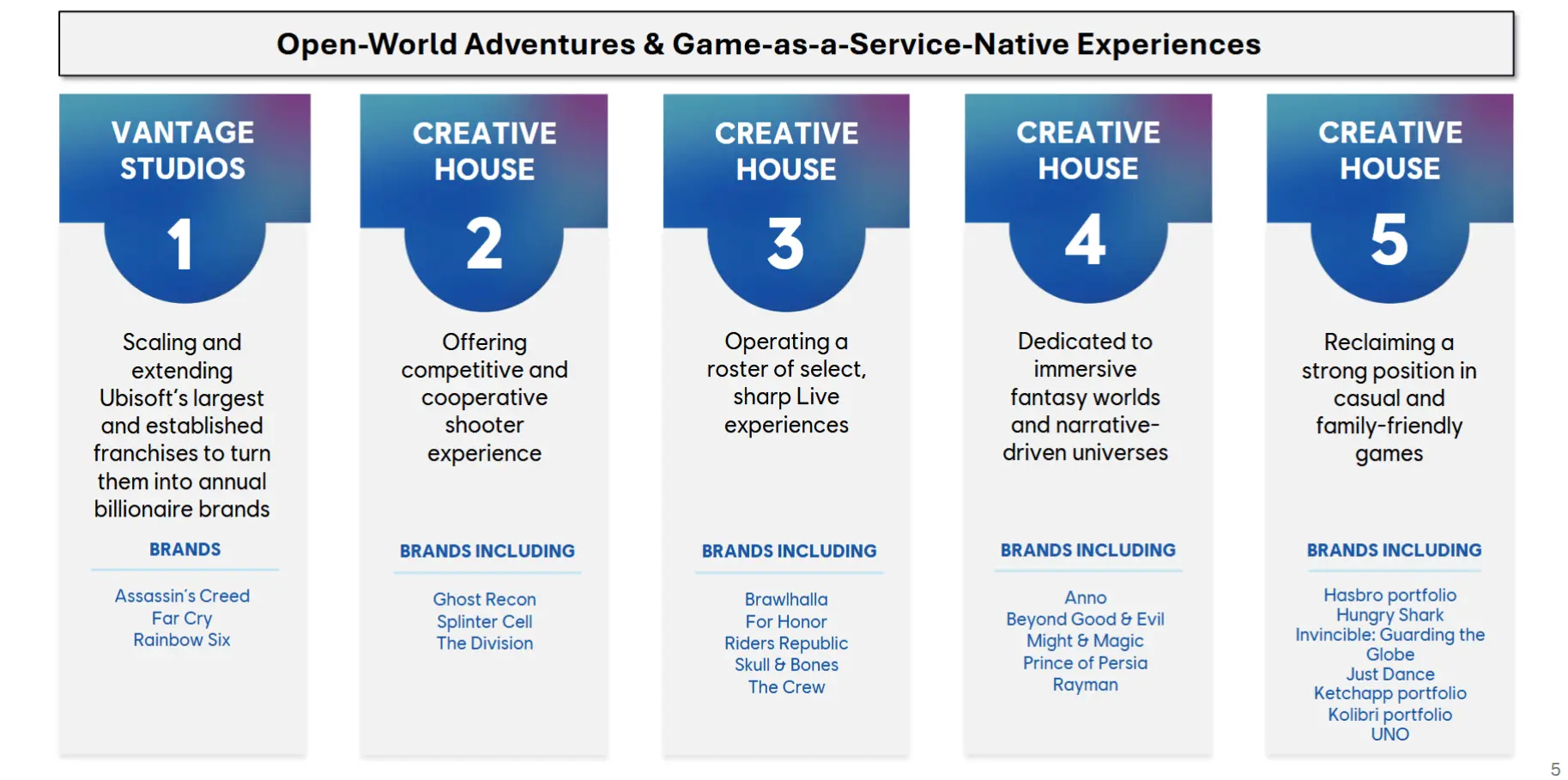
The real problems relate to a shortage of experienced managers, language and communication barriers, plus a crisis of creativity and marketing . These factors triggered what Ubisoft calls a "great reset."
Think about a French company trying to manage studios worldwide. Language barriers between French-speaking headquarters and global teams create friction. Knowledge doesn't transfer smoothly from core studios in France and Canada to satellite offices elsewhere.
The warning Shimoda issues carries weight. If Ubisoft uses DEI as a scapegoat to distract from strategic mistakes, it could lead to the company's collapse .
The Restructuring Reality
Numbers tell a harsh story. Studios in Halifax, Nova Scotia, and Stockholm will close, with restructurings in Abu Dhabi, Helsinki and Malmö .
Cost-cutting measures target €500 million in savings. Fixed costs should drop to €1.25 billion by March 2028. That's down from €1.75 billion in the financial year ending 2023.
The cancelled projects? Three were new intellectual properties. One was a mobile title. The most public casualty is the Prince of Persia: The Sands of Time remake. Fans had waited years for that one.
Context Matters
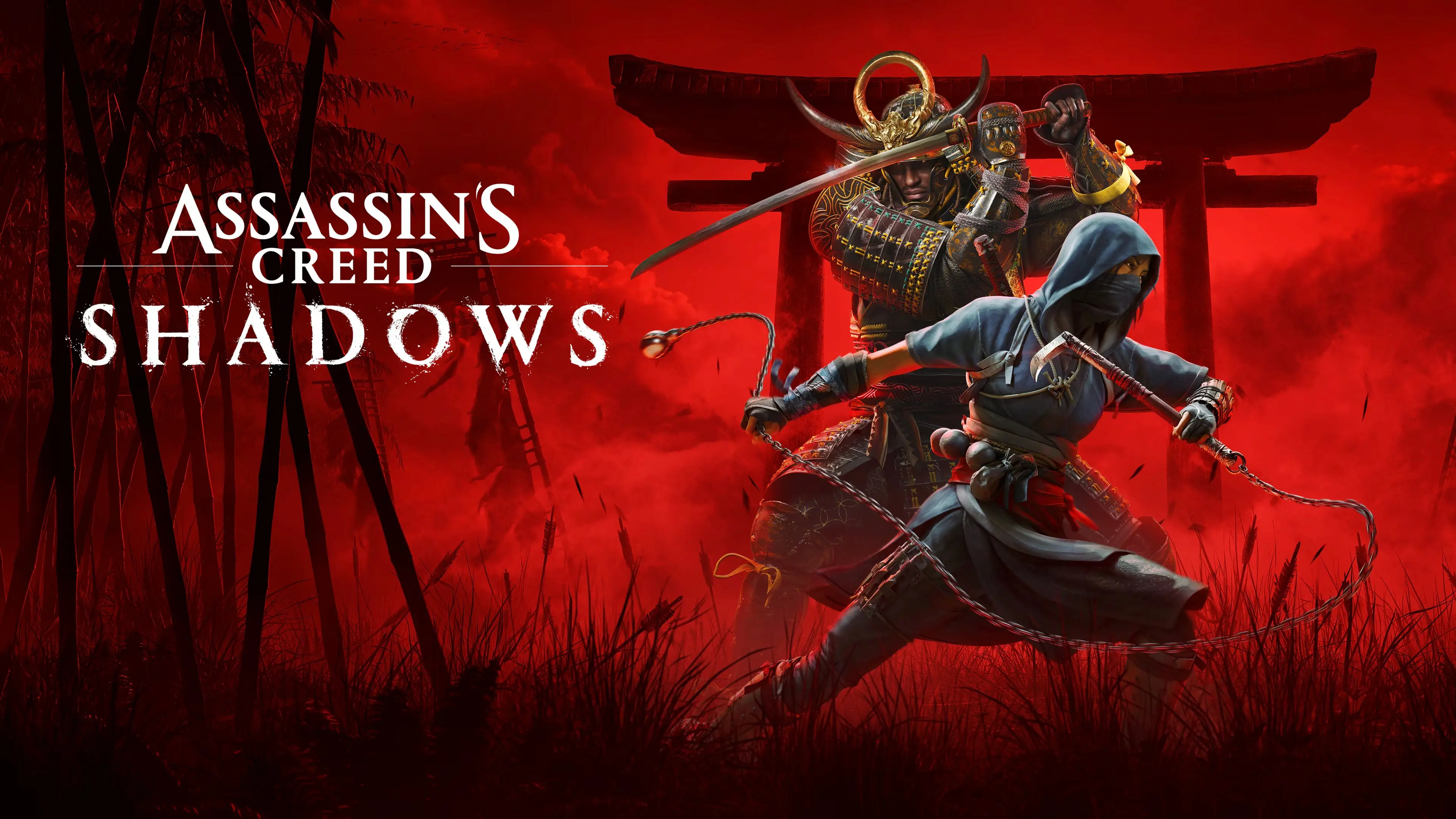
This isn't the first time Ubisoft faced these accusations. Last year saw similar rhetoric around Assassin's Creed Shadows and its inclusion of historical figure Yasuke.
The pattern repeats. Online communities blame diversity programmes. Insiders point to bloated management structures, creative stagnation, misallocation of resources.
Which story holds water?
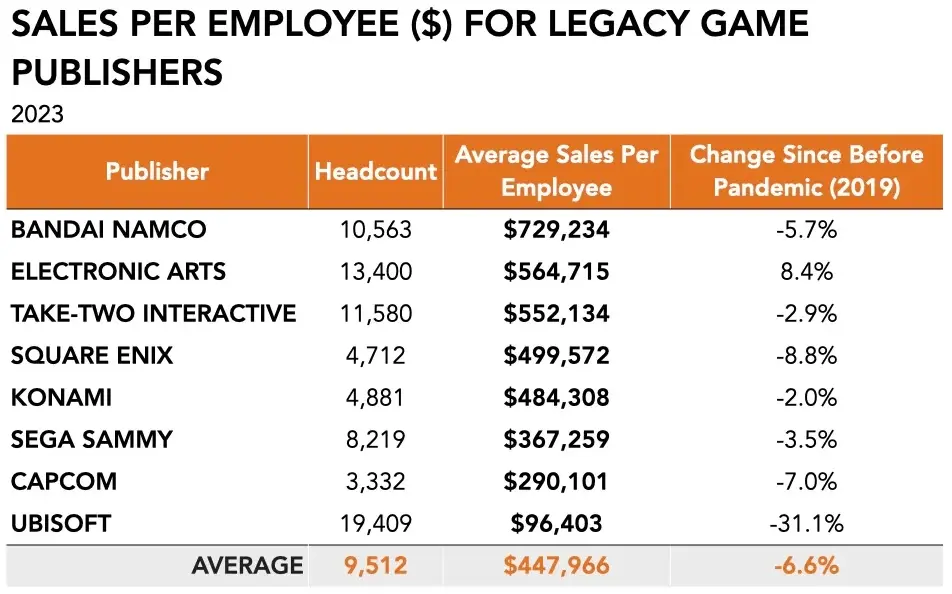
Industry analysis backs Shimoda's view. Ubisoft's problems run deeper than hiring practices. The company struggled with:
- Production hell on multiple titles (Skull and Bones took 11 years)
- Overstaffed workforce that nearly doubled between 2018-2021
- Failed attempts to chase trends like battle royales and NFTs
- Consistently lowest revenue per employee among major publishers
What This Means
For developers, the message is clear. Scapegoating diversity initiatives won't fix structural issues. Management accountability matters more than culture war talking points.
For players, it's worth questioning narratives that seem too convenient. When a massive company fails, the reasons are usually complex and boring. Spreadsheets. Org charts. Communication breakdowns.
Not whatever hot-button issue dominates social media that week.
The gaming industry faces genuine challenges. Publishers must balance creative vision with financial reality. But using diversity as a scapegoat dodges the hard work of fixing actual problems.
Shimoda's intervention matters because he was there. He saw the internal dynamics. And his account contradicts the conspiracy theories circulating online.
Whether Ubisoft can recover depends on addressing the real issues. Management restructuring. Streamlined production. Better communication between global teams.
Not abandoning initiatives that, by insider accounts, were working as intended.
The stock market will render its verdict. But at least now we've got testimony from someone who knows what actually happened inside those offices.
Related Articles

Gaming Stocks Crash After Google Genie Launch Shows Investors Don't Understand AI
Unity dropped 24% and Take-Two fell 8% after Google unveiled Project Genie, an AI tool that creates virtual worlds. One problem: it's not a game engine.
1AM Gamer Team
1 February 2026
Ubisoft Employees Stage Company-Wide Strike Today as Unions Declare "Enough is Enough"
Ubisoft workers across the globe walk out today as French unions launch a three-day strike over studio closures, mass layoffs, and a forced five-day return-to-office mandate.
1AM Gamer Team
10 February 2026
Payday 3 Developer Starbreeze Studios Hit With More Layoffs
Starbreeze Studios faces another round of job cuts just months after axing 44 staff. Former employees confirm layoffs on LinkedIn as studio struggles.
1AM Gamer Team
23 January 2026