
Sony Patents Buttonless PlayStation Controller With Touch-Based Virtual Controls

1AM Gamer Team
1 February 2026 16:00 PM GMTSony Interactive Entertainment secured a patent for a controller design that ditches every single physical button. Yes, you read that right.
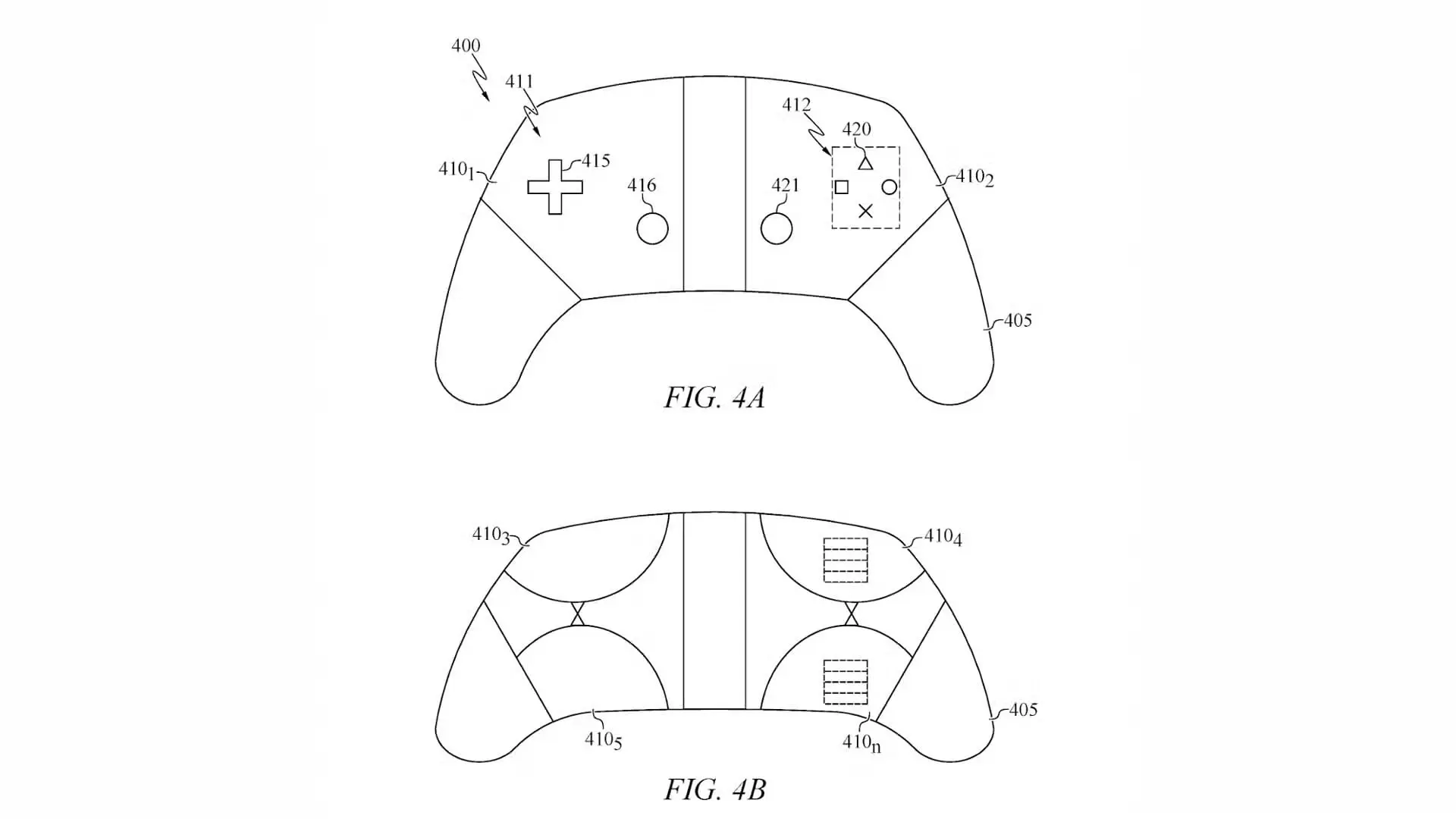
The patent, dated 27 January 2026, describes a gamepad built entirely around capacitive touch surfaces instead of mechanical face buttons and D-pads. Think of your smartphone screen, but wrapped around a controller.
How Virtual Buttons Would Work
The system would generate buttons on demand. Their size and position would shift based on how you're gripping the controller.
Small hands? The virtual layout adjusts. Large palms? Same deal.
Beyond basic presses, the touch surface recognises swipes, taps, and pinch gestures. Similar to what you do on mobile games, except on dedicated hardware.
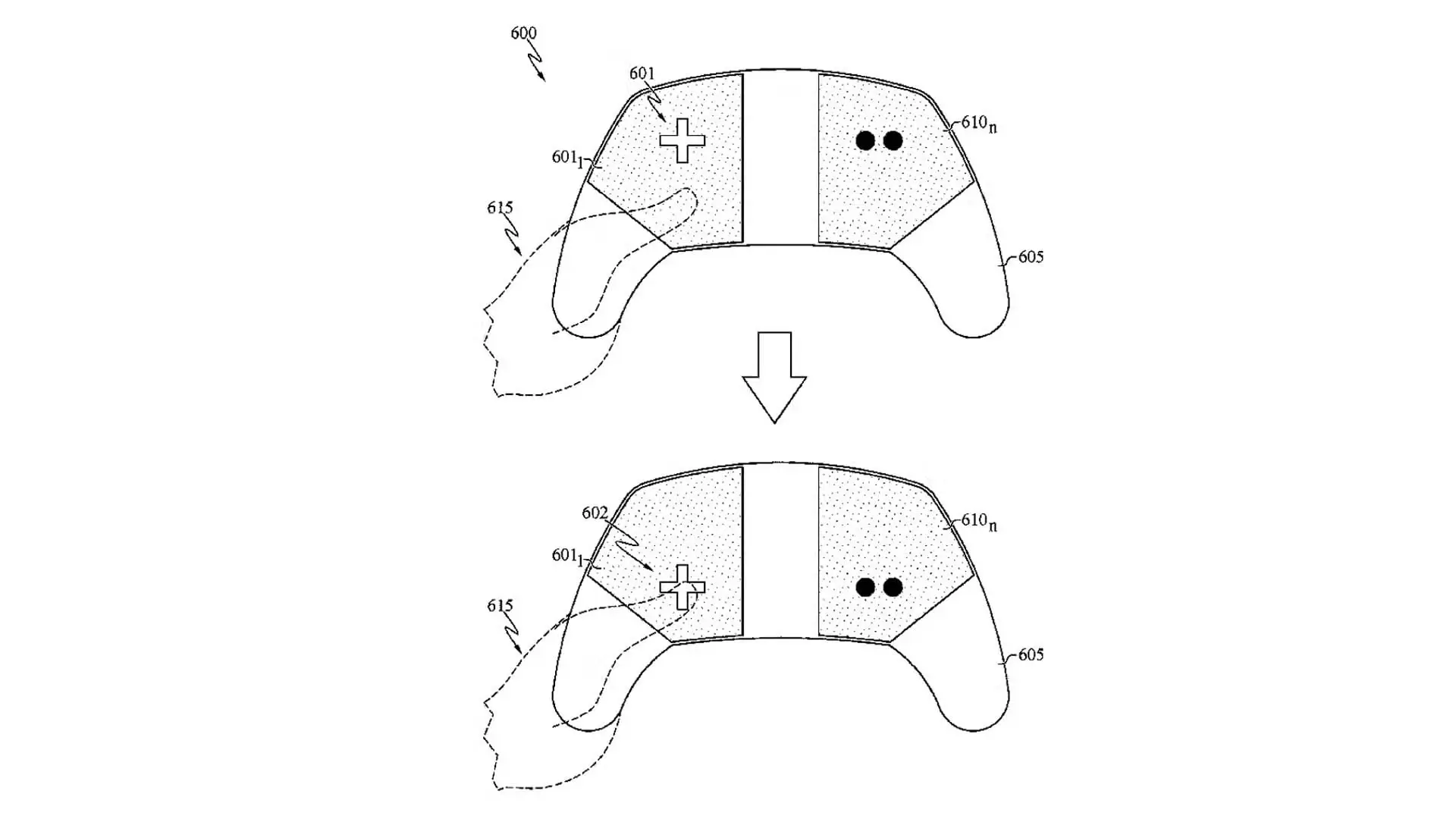
Sony's documentation points to a specific problem: fixed button layouts don't work for everyone. Some players struggle with controllers that feel too big. Others find them cramped.
This adaptive approach lets the interface match individual grip styles automatically. No manual configuration needed.
Accessibility at the Core
The accessibility angle is intriguing.
Traditional controllers demand precise finger placement. Miss a button by millimetres and your input fails. A touch-based system could recognise intent rather than requiring exact positioning.
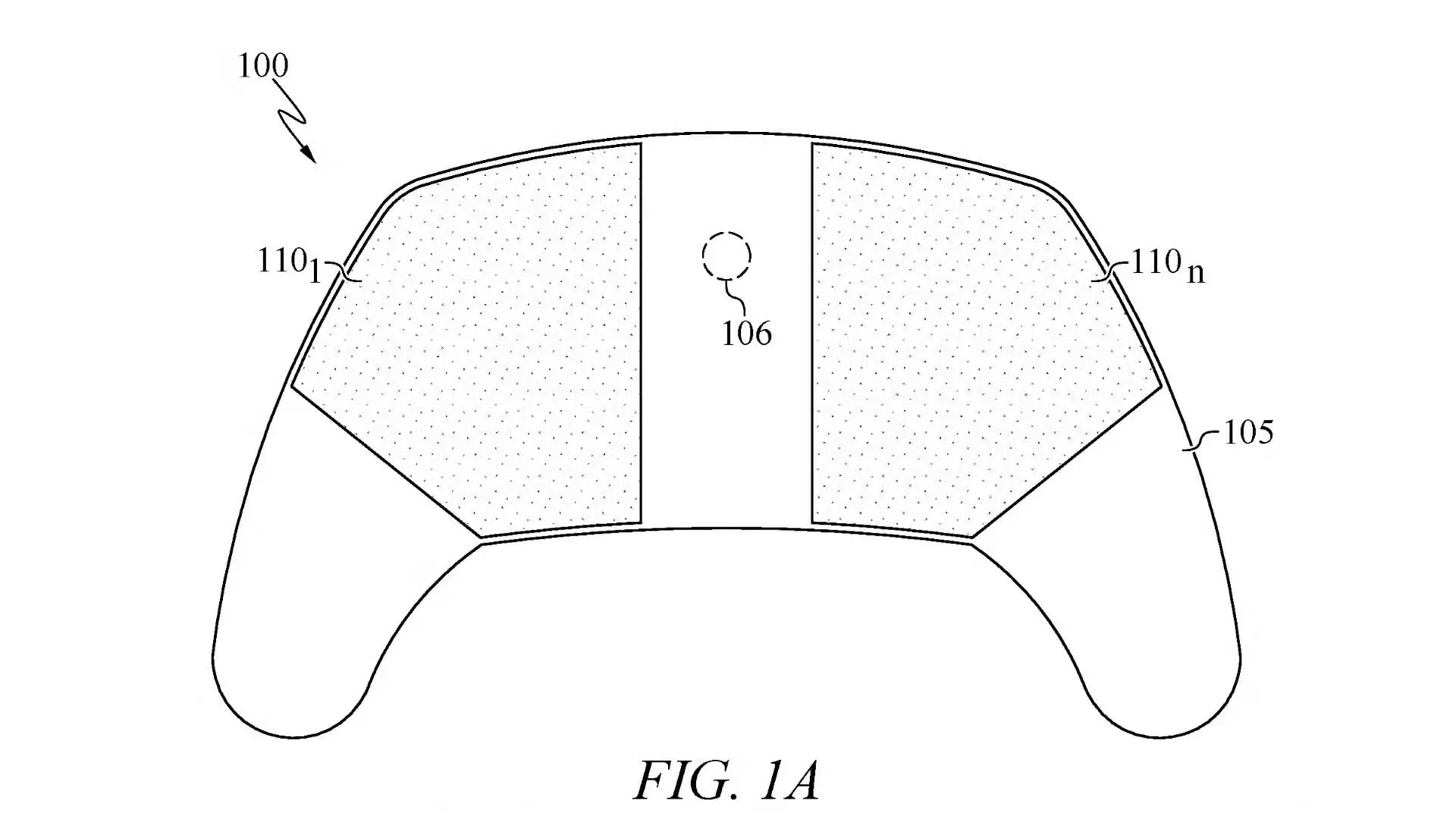
Players with limited mobility might benefit most. Customisable zones mean you're not fighting against a one-size-fits-all design.
Of course, Sony already makes the PlayStation Access Controller for gamers with disabilities. This patent suggests they're thinking bigger about adaptive technology.
The Obvious Concerns
Touch screens on controllers aren't new. The DualShock 4 had a touchpad. Most players treated it like an oversized button.
Going all-in on touch raises questions. Where's the tactile feedback? Physical buttons click. They resist. You know when you've pressed them.
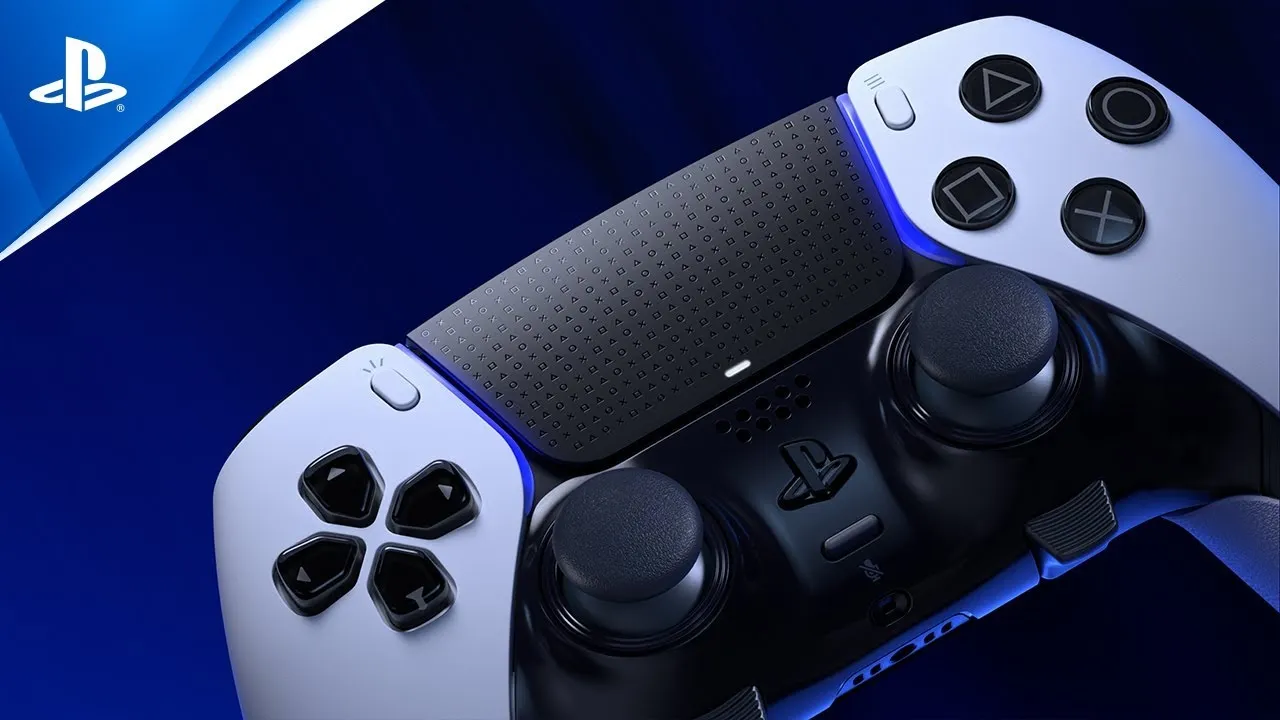
Virtual inputs offer none of that unless Sony builds in haptic responses. The DualSense already features advanced haptic feedback, so maybe they'd lean heavily on vibration to simulate button presses.
Still, precision matters in competitive gaming. Try playing a fighting game with virtual buttons and report back on how that goes.
Just Another Patent
Here's the reality check: patents don't equal products.
Sony files dozens of controller patents yearly. Remember the deformable controller with temperature changes? Or the one that monitors your sweat and heart rate? Neither became real products.
Companies patent ideas to protect intellectual property. Sometimes these concepts sit in filing cabinets forever.
The gaming community has seen this pattern before. Patents for AI ghost assistants, rewind buttons, even solar-powered controllers. Most never reach consumers.
Innovation vs Practicality
Sony's controller innovation history speaks for itself. They pioneered dual analogue sticks with the original DualShock. Added motion sensing with the Sixaxis. Integrated a touchpad on the DualShock 4. Delivered haptic feedback and adaptive triggers with the DualSense.
Each generation pushed boundaries.
But there's a difference between adding features and replacing fundamentals. Buttons have worked for 40 years of gaming. Removing them entirely is bold, perhaps too bold.
Cost presents another barrier. A fully adaptive touch screen controller wouldn't come cheap. The DualSense Edge already costs £209.99. Imagine the price tag on this.
If it's optional, developers might ignore it. If it's standard for PlayStation 6, you're forcing change on millions of players who never asked for it.
What This Actually Means
The patent shows Sony experimenting with control methods. That's worth noting.
Whether this technology ships in a consumer product is anyone's guess. Gaming history suggests probably not.
For now, your DualSense buttons are safe. Probably.
Related Articles
Sony's Wild Deformable Node Controller Patent Has Resurfaced and It Looks Like Nothing Else Out There
A Sony patent for a deformable grid controller, originally filed in 2022, just got its US publication. It's unlike anything PlayStation has released before.
1AM Gamer Team
16 April 2026
Sony Acquires Cinemersive Labs to Push PlayStation Visual Computing Forward
Sony Interactive Entertainment has acquired UK-based AI firm Cinemersive Labs, adding machine learning and computer vision expertise to its Visual Computing Group.
1AM Gamer Team
6 April 2026
PlayStation Shuts Down Bluepoint Games, 70 Jobs Gone
Sony has confirmed the closure of Bluepoint Games, the studio behind the acclaimed Demon's Souls and Shadow of the Colossus remakes, set to shut in March 2026.
1AM Gamer Team
20 February 2026